Salad Burnet – 20 Seeds
(Sanguisorba minor)
R30.00
It is a perennial herb that has a fresh, pleasant, cucumber-like flavor. It used as a salad green, and used for flavoring in vinegar’s and sauces.
Common Names: Salad burnet, garden burnet, small burnet, burnet pimpernelle, Toper’s plant and burnet-bloodwort.
Indoor Sowing: Not Recommended.
Direct Sowing: Early Spring and Autumn.
In stock
🍃 Culinary Quick Facts
Culinary Info
- 🍽️ Culinary Use: Beverages/Teas, Garnish, Oils / Vinegars, Sauces, Soups, Spreads & Dips
- 🥗 Edible Part: Flower, Leaf, Stem
- 😋 Flavor Profile: Cucumber-like
- ⓘ Plant Use: Culinary, Fodder, Medicinal
Medicinal Info
- 🌿 Medicinal Part: Leaf, Root, Shoots
- 🥣 Herbal Preparation: Decoction, Extract / Tincture, Infusion / Tea, Poultice
- ⚕️ Healing System: European Traditional Medicine
Growth Traits
- 🌱 Life Cycle: Perennial
- 🌾 Plant Type: Herbaceous Perennial
- 🦋 Pollinator Method: Attracts Bees, Self-pollinating, Wind
- 🪴 Growth Habit: Clumping, Low-Growing, Rosette-forming
- 🌸 Flower Color: Greenish-Red
Growing Requirements
- 🌞 Sun Exposure: Full Sun, Partial Shade
- 💧 Water Needs: Moderate Water
- ☀️ Growing Conditions: Cold Tolerant, Drought Tolerant, Frost Tolerant, Heat Tolerant
- 🟤 Soil Preference: Clay, Loam, Nutrient-poor, pH 6.0–8.0, Sandy, Well-Drained
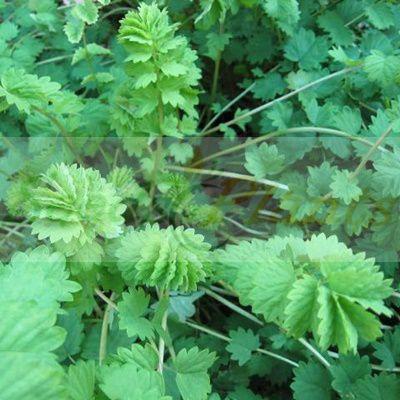
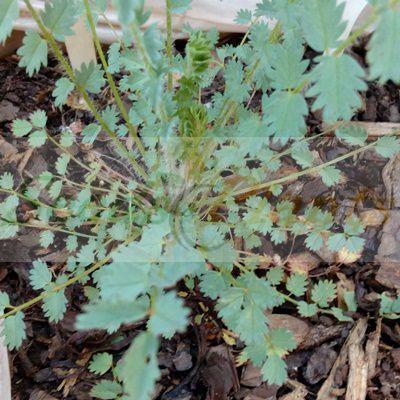
Salad Burnet (Sanguisorba minor) is also known as garden burnet, small burnet, or burnet. It is a plant in the family Rosaceae that is native to western, central and southern Europe, northwest Africa and southwest Western Asia. It is a clumping perennial, grows to a height of 40-60cm with pinnate leaves, with pairs of round toothed leaflets.
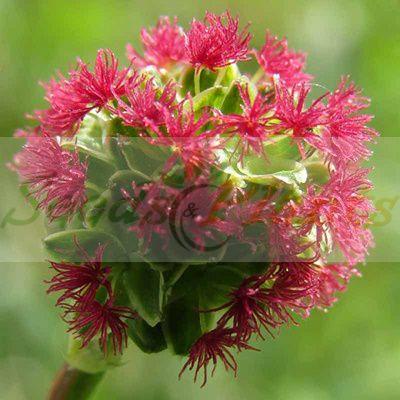
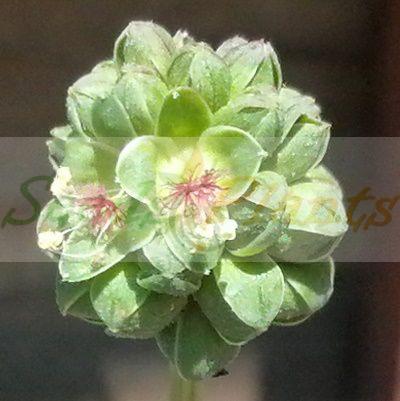
Flowers that appear in summer are tufted round balls, green and crimson in color, on top of thin green stems. It used as a salad green, and used for flavoring in vinegar’s and sauces. There are also old cosmetic and medicinal applications for the plant.
Salad Burnet Culinary Uses
- Salads: A classic addition to mixed green salads (a staple in the famous “Frankfurt Green Sauce”).
- Drinks: Used to garnish or infuse gin and tonics, summer wine cups (claret), lemonades, and white wine vinegar.
- Spreads & Dips: Finely chopped into cream cheese, yogurt, or butter for sandwiches or crackers.
- Soups & Sauces: Added to light cream soups, or puréed into sauces for fish and chicken.
- Pairs With: Cucumber, eggs, tomatoes, potatoes, and other herbs like tarragon and chives.
Edible Parts
- Leaves: The primary edible part, best harvested when young and tender (before the plant flowers) for a crisp, fresh taste.
- Stems: Tender, young stems can be chopped and used similarly to chives.
- Flowers: While the green-red, ball-shaped flowers have little taste, they are edible and used as a garnish or in salads.
Medicinal Uses
- Hemostatic & Astringent: Used for excessive, heavy, or irregular menstruation, nosebleeds, and internal bleeding.
- Digestive Aid: Used to treat diarrhea, dysentery, and to aid overall digestion.
- Skin Care: Used for treating sunburn, eczema, and skin wounds.
- Tonic: Used to treat fatigue and as a general tonic.
Other Uses
- Wildlife: Good forage for animals and a nectar source for bees, butterflies, and moths.
- Fodder: Often planted for livestock, as it stays green during dry conditions.
- Ornamental/Gardening: Used as a low-growing ground cover, border plant, or in rock gardens due to its attractive, fern-like, evergreen, or winter-hardy foliage.
Growing Salad Burnet
Indoor Sowing: Not Recommended.
Direct Sowing: Early Spring and Autumn.
- Burnet grows best in a moderately fertile moist, but well-drained soil, that does not dry out.
- Plant in full sun to part shade. In hot summer regions, it will grow best in dappled sun.
- Seeds should be direct sown in Early Spring or Autumn.
- Sow the seeds 20cm apart on top of the surface of moist well-drained soil.
- Do not cover the seeds or barely cover with a thin layer of soil, as they need light to germinate.
- Keep soil consistently moist.
- Germination in about 2 -3 weeks at temperature of 15°C – 21°C.
Related products