
Herbs & Medicinal Plants
How to grow Ashwagandha

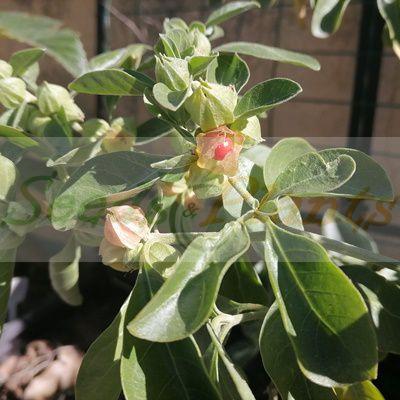
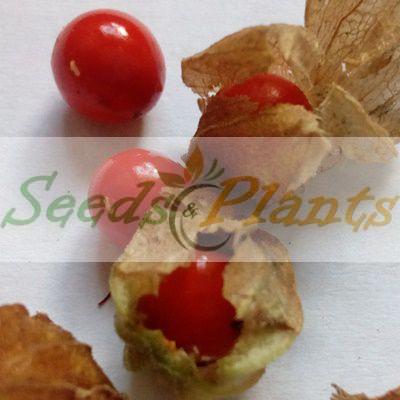
How to grow Ashwagandha from seed to harvest. Withania somnifera, known commonly as ashwagandha, Indian ginseng, poison gooseberry, or winter cherry is a plant in the Solanaceae or nightshade family. It is an important plant in the traditional medicine of Africa and Asia and is perhaps the best known of all the plants used in Ayurvedic medicine. It is a woody evergreen perennial, but in areas with very cold winters it is mostly grown as an annual.
How to grow Ashwagandha from Seed
Indoor Sowing: Not Recommended.
Direct Sowing: Spring.
- Plant ashwagandha seeds in a sunny location of your garden. Can be grown in containers as well.
- It is a drought tolerant plant. It grows well in sandy, well draining soil, once established and doesn’t like wet feet.
- Seeds should be direct sown in Spring in a mixture of sand and compost when temperature is around 20 C.
- Seeds should be spaced at least 10 cm apart.
- Place the seeds on top of the soil and then cover the seeds with a very thin layer of soil.
- Water well and keep moist, but not soaking wet.
- Germination can take a month or more.
- After germination water the seedlings well while they are establishing.
- Thin out the weak plants after a month of growing, leaving the space around 30 cm between plants if possible.
Maintaining Ashwagandha Plants
- Although fertilizing is not needed for this plant, you can apply aged manure or compost near the base of the plant in Spring.
- Do not over-water this plant, as it can lead to root rot. The plant is very drought tolerant and does not need to be watered often.
- In terms of pests, spider mites can sometimes be a problem. Spray with Neem oil if you see any mites on the leaves.
Harvesting Ashwagandha
- Ashwagandha is ready to harvest in 150 – 180 days when the flowers and berries start to form and the leaves begins to dry out.
- Harvest the roots by digging carefully using a small tool.
- Wash and clean the roots.
- Cut the cleaned roots into small pieces of 7-10 cm and then dry it in the sun or shade.
Buy Ashwagandha Seeds
Related Articles
Growing Yarrow
Read MoreGrowing Chamomile
Read MoreGrowing Rue Herb
Read MoreGrowing Burdock From Seed to Harvest
Read MoreGrowing Senna
Read MoreGrowing Basil
Read MoreGrowing Savory
Read MoreGrowing Stevia
Read More