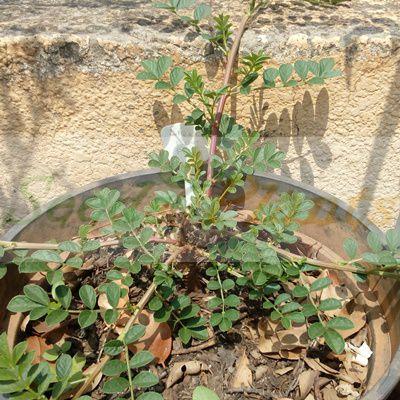
Liquorice Root Plant – 5 Seeds
(Glycyrrhiza glabra)
R50.00
Liquorice Root Plant is a perennial herb used in flavoring, confection and as a medicinal plant.
Common Names: Black Sugar, Common licorice, Licorice, Liquorice , Mulaith and Sweet Root.
Indoor Sowing: Cold Stratification and then transplant when big enough.
Direct Sowing: Autumn and Winter.
Only 3 left in stock
🌿 Herbal Quick Facts
Medicinal Info
- 🌍 Origin / Region: Central Asia, Mediterranean, North Africa, Southern Europe, Western Asia
- ⓘ Plant Use: Cosmetics/Skincare, Culinary, Industrial Applications, Medicinal
- 🌿 Medicinal Part: Rhizome, Root
- 🍵 Herbal Preparation: Extract / Tincture, Infusion / Tea, Ointments/Creams, Powder
- ⚕️ Healing System: Ayurvedic System of Medicine, Chinese Traditional Medicine, European Traditional Medicine, Siddha System of Medicine, Unani System of Medicine
Culinary Info
- 🍽️ Culinary Use: Beverages/Teas, Flavoring, Sweetener
- 🥗 Edible Part: Root
- 😋 Flavor Profile: Licorice, Sweet
Growth Traits
- 🌱 Life Cycle: Perennial
- 🦋 Pollinator Method: Attracts Bees, Attracts Butterflies, Attracts Moths
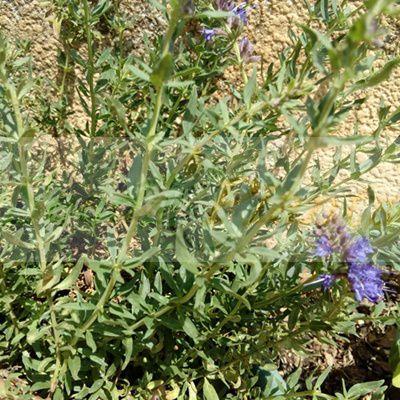
- 🪴 Growth Habit: Clumping, Upright
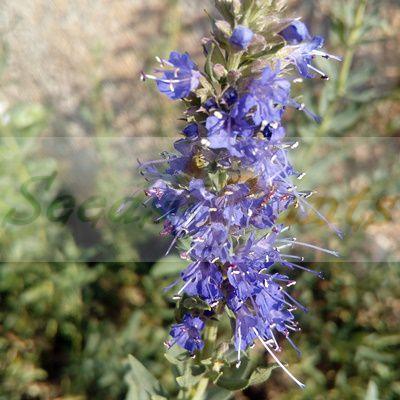
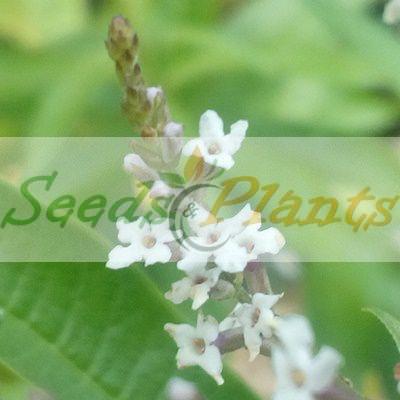
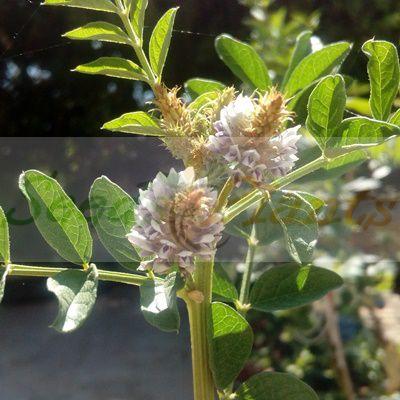
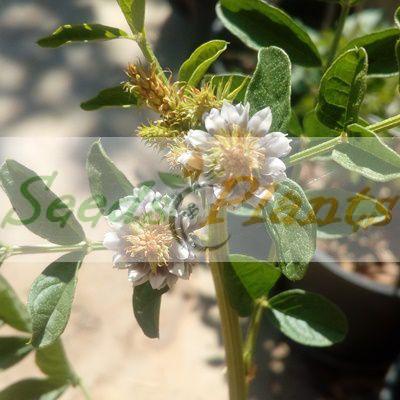
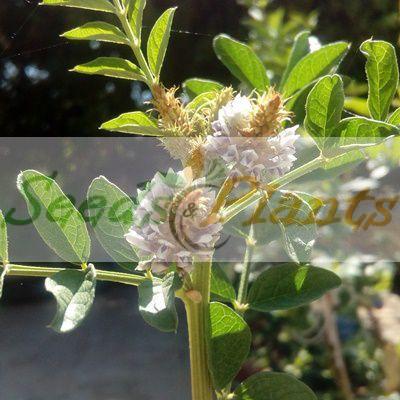
- 🌸 Flower Color: Lilac
Growing Requirements
- 🌞 Sun Exposure: Full Sun, Partial Shade
- 💧 Water Needs: Avoid Overwatering, Moderate Water, Water Deeply
- ☀️ Growing Conditions: Drought Tolerant, Heat Tolerant, Moderate Cold Tolerance, Moderate Frost Tolerance
- 🟤 Soil Preference: Deep, Fertile, Moist, Sandy, Silty, Well-Drained
Liquorice Root Plant Seeds. Liquorice Root Plant, (Glycyrrhiza glabra) is a perennial herb of the pea family (Fabaceae), and it is used in flavoring, confection, and folk medicine made from its roots. Licorice has been used in traditional Chinese medicine and other natural practices for centuries.
Licorice is similar to anise (Pimpinella anisum) in flavor; both plants are somewhat sweet and slightly bitter. The Greek name glykyrrhiza, of which the word licorice is a corruption, means “sweet root.” Native to southern Europe, licorice is mainly cultivated around the Mediterranean and in parts of the United States.
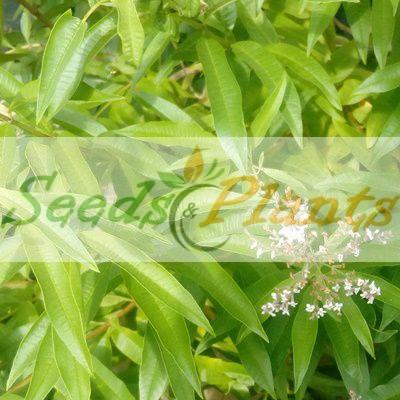
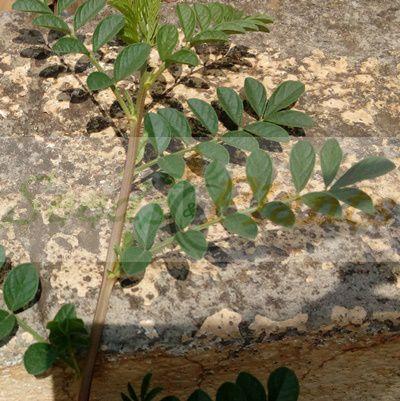
It is a perennial herb that grows to over a meter tall. It is cultivated for its roots. Roots grow 1 – 1.2 m deep and can extend to 10 m in a deep, permeable soil. Growing licorice in container is however also possible.
The roots used are about 1m long and about 1cm in diameter. They are soft, fibrous, and flexible and are colored bright yellow inside. The distinctive sweetness of licorice is imparted by a substance called glycyrrhizin.
Liquorice Root Plant Medicinal Benefits
Licorice is an ingredient in cough lozenges, syrups, and elixirs. Glycyrrhizin, liquiritigenin, and glabridin are just some of the active substances in licorice that have powerful antiviral properties.
- Digestive Disorders: It is used to treat peptic ulcers, acid reflux (GERD), heartburn, and gastric ulcers by increasing mucus production and promoting healing of the stomach lining. It is also used to soothe indigestion and reduce abdominal discomfort.
- Respiratory Conditions: Due to its expectorant and anti-inflammatory properties, it helps clear excess mucus from the upper and lower airways, treating coughs, bronchitis, and asthma.
- Skin Conditions: Topical applications (creams or gels) are used to treat skin inflammation, eczema, and dermatitis.
- Oral Health: Used to reduce Streptococcus mutans bacteria in the mouth, helping to prevent cavities, treat canker sores, and relieve periodontitis.
- Liver Function: Used as a therapy for hepatitis C and to reduce liver toxicity.
- Other Uses: Menopause symptoms, aiding weight loss, and potentially providing antiviral (e.g., against Herpes simplex) or antitumor properties.
Primary Part Used: The dried, unpeeled roots and underground stems (rhizomes).
Caution:
- Excessive consumption of glycyrrhizin can lead to high blood pressure (hypertension), sodium retention, and low potassium levels, which may cause heart issues.
- It is considered unsafe for pregnant women as it may cause preterm birth.
- It interacts with diuretic drugs, warfarin (blood thinners), and blood pressure medications.
Other Uses
- Confectionery: Used as a flavoring agent in black licorice candy, toffee, and drinks. The roots are ground and then boiled to form a juice; the pliable stick form of licorice candy, also called licorice paste or black sugar, is processed from this thickened juice.
- Sweetener: Used as a functional sweetener in beverages and tea.
- Tobacco: Employed in the tobacco industry to enhance the flavor of products.
- Cosmetics: Used in skincare products for skin whitening and anti-aging properties.
- Industrial Applications: Extracts are used as a flavoring agent in beers and as a foaming agent in fire extinguishers.
- Oral Hygiene: Included in some toothpastes and mouthwashes.
Growing Liquorice Root Plant
Indoor Sowing: Cold Stratification and then transplant when big enough.
Direct Sowing: Autumn and Winter.
- For indoor Sowing, first cold stratify the seeds for 30 days.
- After the cold stratification period, soak the seeds for at least 24 hours in lukewarm water.
- Then sow seeds in seed starting mix. Sow the seeds at a depth of 1/2 inch.
- Cover the seeds with soil and keep it evenly moist until the seeds germinate.
- Optimum germination ranges around 20 C.
- Germination can take place anything from a few weeks to 1 year, so patience is required.
- Leave space of 2 feet between each plant.
- Licorice roots are ready for harvest after two years of planting.
- Harvest the plant in autumn.
- Extract the horizontal roots with a sharp spade and replant the plant so that it will regrow again.
- Preserve the main roots so as not to damage the plant.
Can this plant be used for culinary purposes?
Liquorice Root Plant is traditionally used for culinary purposes such as beverages/teas and flavoring.
Does this plant have medicinal uses?
Traditionally, Liquorice Root Plant has a history of use in various healing systems, including Ayurvedic System of Medicine and Chinese Traditional Medicine. Seeds are sold for cultivation purposes only.
Disclaimer
Medicinal Information:
All medicinal information on this website is for educational and informational purposes only and may not be construed as medical advice. The information is not intended to replace medical advice or treatment offered by healthcare professionals.
Seeds, Plants, Plant Cuttings, Geophytes and Dried Herbs:
In some countries and provinces, certain plants are deemed as invasive and are not allowed to be planted at all, whilst some plants are allowed to be grown only in certain areas or provinces. The onus is on you as the buyer to familiarize yourself with the regulations pertaining to your location, before purchasing any of our seeds, plants, plant cuttings, geophytes or dried herbs. We will not be held liable, should you purchase any seeds, plants, plant cuttings, geophytes or dried herbs. from us which are prohibited in your country or province.
Related products