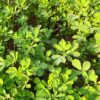
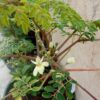
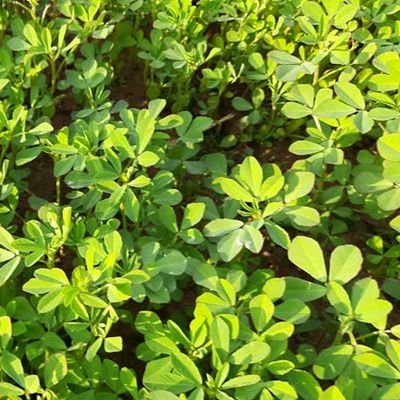
Fenugreek – 100 Seeds
(Trigonella foenum-graecum)
R30.00
Fenugreek is cultivated worldwide as a semiarid crop and is used as both a culinary and medicinal herb.
Common Names: Methi.
Indoor Sowing: Not Recommended.
Direct Sowing: Spring and Summer.
Only 4 left in stock
🍃 Culinary Quick Facts
Culinary Info
- 🍽️ Culinary Use: Beverages/Teas, Chutneys, Flavoring, Raw Eating, Rubs, Salads, Spice Blends
- 🥗 Edible Part: Leaf, Seed
- 😋 Flavor Profile: Bittersweet
- ⓘ Plant Use: Culinary, Medicinal, Nitrogen Fixer
Medicinal Info
- 🌿 Medicinal Part: Leaf, Seed
- 🥣 Herbal Preparation: Extract / Tincture, Infusion / Tea, Paste, Poultice, Powder
- ⚕️ Healing System: Ayurvedic System of Medicine, Chinese Traditional Medicine, European Traditional Medicine, Siddha System of Medicine, Unani System of Medicine
Growth Traits
- 🌱 Life Cycle: Annual
- 🌾 Plant Type: Herbaceous Annual
- 🦋 Pollinator Method: Attracts Bees, Attracts Butterflies, Attracts Moths
- 🪴 Growth Habit: Bushy, Upright
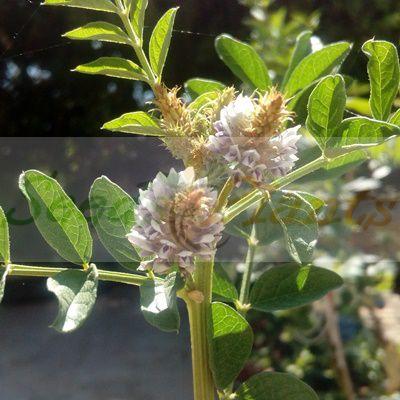
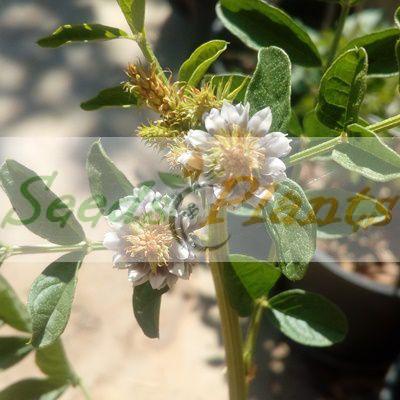
- 🌸 Flower Color: Pale yellow, White
Growing Requirements
- 🌞 Sun Exposure: Full Sun
- 💧 Water Needs: Avoid Overwatering, Moderate Water, Water Deeply
- ☀️ Growing Conditions: Drought Tolerant, Moderate Cold Tolerance, Moderate Heat Tolerance, Not Humidity Tolerant
- 🟤 Soil Preference: Loam, Moderately Fertile, Sandy, Well-Drained
Fenugreek Seeds. Fenugreek (Trigonella foenum-graecum) is an annual plant. Fenugreek is cultivated worldwide as a semiarid crop and is used as both a culinary and medicinal herb. It goes by many names around the world. It is known as methi in Hindi, hulba in Arabic, moshoseitaro in Greek, uluva in Malayalam, shoot in Hebrew, and dari in Persian.
Garden and Soil Benefits:
- Quick-Fix Legume: A fast-growing annual that adds nitrogen while providing a unique scent that can deter certain soil pests.
- Fine Texture: Easily incorporated into the soil with a simple hand-fork, making it perfect for raised beds.
Culinary Uses
Fenugreek has traditionally been used in the preparation of pickles, chutneys and curry powders in its native India. While the seeds are the most known and commonly used part of the plant, fresh leaves can make a flavor addition to salads or other raw dishes or dried and used with meat or poultry.
Health Benefits
Medicinally, fenugreek has been used to treat skin conditions and many other diseases. It is beneficial for people with diabetes. It is beneficial for male & female reproductive health and has a reputation to help increase breastmilk production. It also promotes heart health, helps with obesity, and diabetes.
Growing Fenugreek
Indoor Sowing: Not Recommended.
Direct Sowing: Spring and Summer.
- The plant does not transplant well, so direct sowing is advisable.
- Choose a spot that receives at least 4 hours of sun, with some afternoon shade.
- Sow seeds about 5 cm apart on well draining soil and cover with a layer of soil.
- Keep soil consistently moist until germination.
- Water moderately once seeds start to germinate.
Related products