
Moringa Tree – 5 Seeds
(Morninga Oleifera)
R30.00
The Moringa tree has been cultivated by different cultures throughout India and Africa because of its health benefits and its medicinal properties
Common Names: Moringa tree, the drumstick tree, the horseradish tree or the miracle tree,
Indoor Sowing: Not Recommended.
Direct Sowing: Spring and Summer.
Out of Stock
Email me when the product is back in stock.
🌿 Herbal Quick Facts
Uses
- ⓘ Plant Use: Medicinal, Soil Aeration
Medicinal Info
- 🌿 Medicinal Part: Flower, Gum, Leaf, Pods, Root bark, Seed
- 🥣 Herbal Preparation: Powder
- ⚕️ Healing System: African Traditional Medicine, Ayurvedic System of Medicine, Siddha System of Medicine, Unani System of Medicine
Culinary Info
- 🍽️ Culinary Use: Cooking, Salads
- 😋 Flavor Profile: Earthy
Growth Traits
- 🌱 Life Cycle: Perennial
- 🌾 Plant Type: Tree
- 🦋 Pollinator Method: Attracts Bees, Attracts Butterflies, Attracts Sunbirds
- 🪴 Growth Habit: Upright
- 🌿 Foliage Type: Deciduous
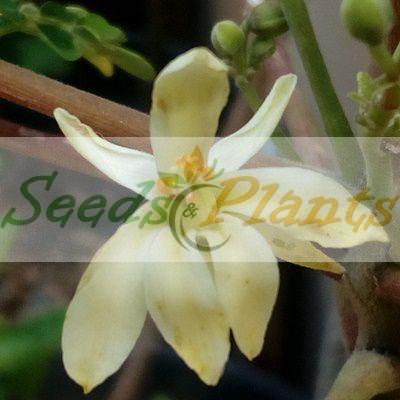
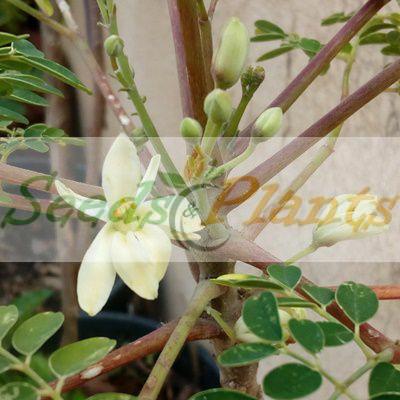
- 🌸 Flower Color: White
Growing Requirements
- 🌞 Sun Exposure: Full Sun
- 💧 Water Needs: Avoid Overwatering, Low Water
- ☀️ Growing Conditions: Drought Tolerant, Dry Conditions, Heat Tolerant
- 🟤 Soil Preference: Loam, Sandy, Well-Drained
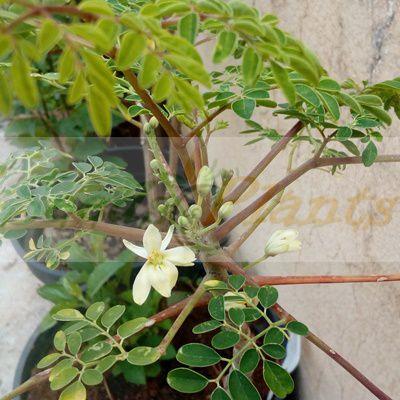
Moringa Tree Seeds. Morninga Oleifera, also known as the Moringa tree, the drumstick tree, the horseradish tree or the miracle tree, is a small tree that is native to the foothills of the Himalayan mountains in the northern part of India. For thousands of years, this small tree has been cultivated by different cultures throughout India and Africa because of its health benefits and its medicinal properties. It also has antifungal, antiviral, antidepressant, and anti-inflammatory properties.
Garden and Soil Benefits:
- Soil Aeration: As it matures, it develops a deep, tuberous taproot that helps it survive South African droughts by reaching deep water. In a garden setting, these roots provide long-term structural improvement to the soil.
Moringa Tree Health Benefits
- Lowers Blood Sugar And Protects Against Diabetes
- Lowers Inflammation And Oxidative Stress
- Protects Against Viral, Fungal, And Bacterial Infections
- Moringa Fights Cancer And Triggers Cell Death
- Prevents Cognitive Decline
- Protects Kidneys
- Strengthens Skin And Hair
- Helps Treat Low-Iron Anemia
- It Can Balance Hormones
- It Protects The Liver
How to grow Moringa Tree
Indoor Sowing: Not Recommended.
Direct Sowing: Spring and Summer.
- It is best to plant the Moringa Tree Seeds directly where the tree is intended to grow and not transplant the seedling.
- The young seedlings are fragile and often cannot survive transplanting.
- Choose an area with light and sandy soil, not heavy with clay or water-logged.
- Make a small hole in the soil, no deeper than three times the width of the seed (approximately 1.5 cm).
- Plant 3 to 5 seeds in each hole, 5 cm apart.
- Keep the soil moist enough so that the top soil will not dry and kill the emerging saplings, but it should not be too wet or else the seeds can drown and rot.
- When the saplings are 10 – 15cm tall, keep the healthiest sapling in the ground and remove the rest.
- Compost or manure will help the tree grow better, even though Moringa trees can grow in poor soils.
Related products