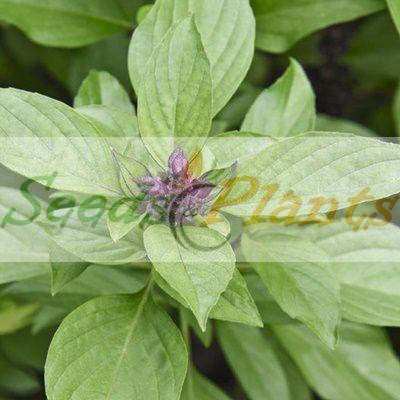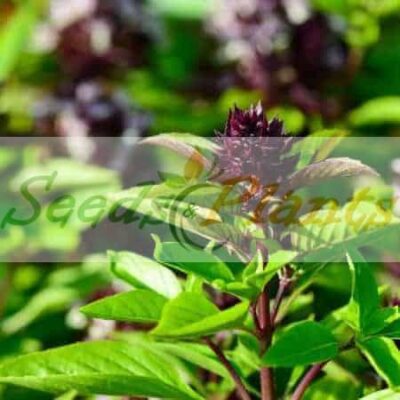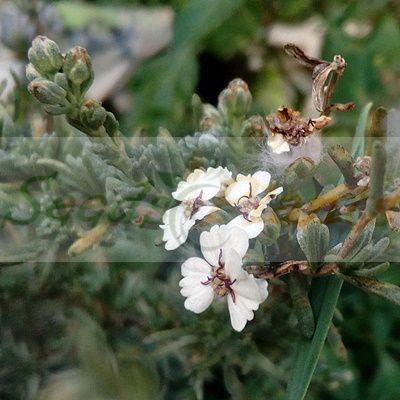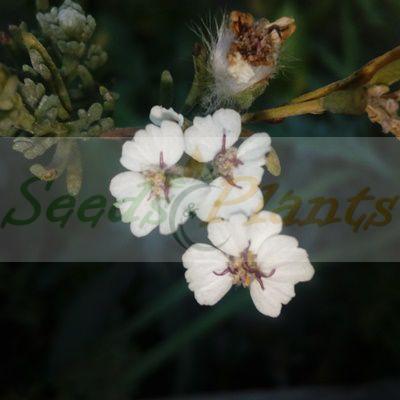
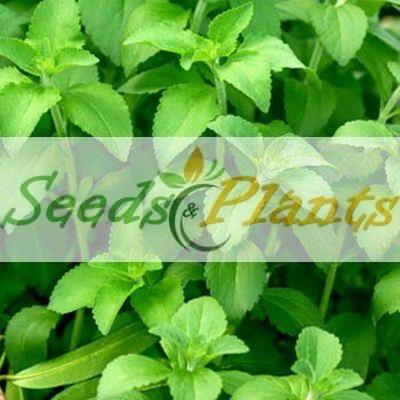
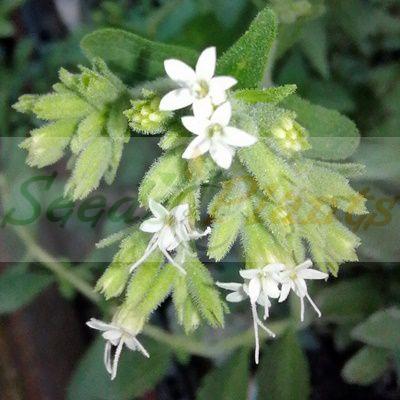
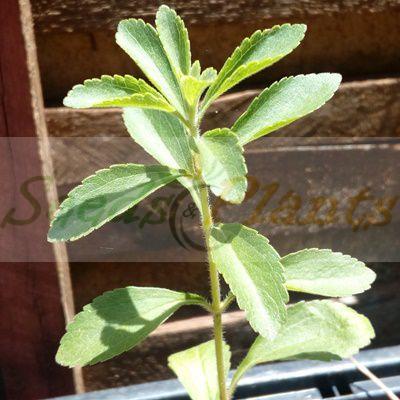
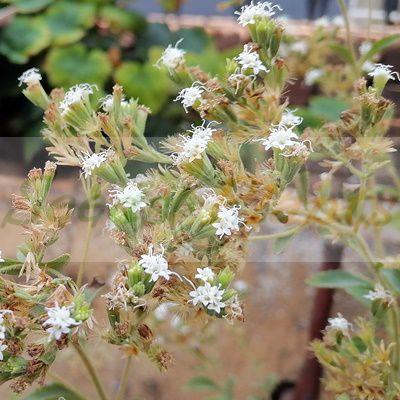
Stevia – 10 Seeds
(Stevia rebaudiana)
R50.00
Stevia leaves contain a number of sweet-tasting chemicals. It can be used fresh or dried to sweeten beverages or desserts.
Common Names: Stevia, candyleaf, sweetleaf and sugarleaf.
Seed Type: Organic – Harvested from our own plants.
Indoor Sowing: Late Winter.
Direct Sowing: Spring.
In stock
🍃 Culinary Quick Facts
Culinary Info
- 🍽️ Culinary Use: Baking, Beverages/Teas, Cooking, Sugar substitute
- 🥗 Edible Part: Leaf
- 😋 Flavor Profile: Sweet
Growth Traits
- 🌱 Life Cycle: Perennial
- 🌾 Plant Type: Herbaceous Perennial
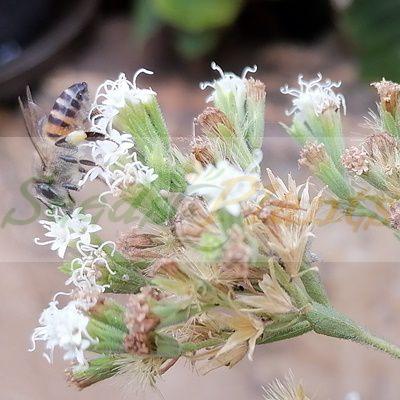
- 🦋 Pollinator Method: Attracts Bees, Attracts Butterflies, Attracts Hoverflies, Attracts Moths
- 🪴 Growth Habit: Bushy, Upright
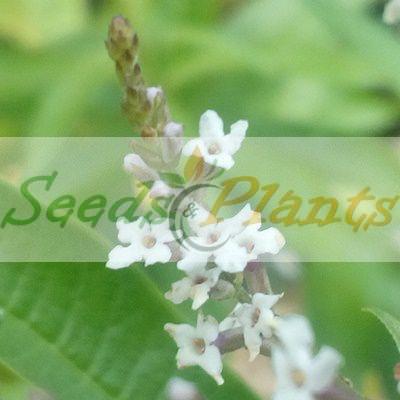
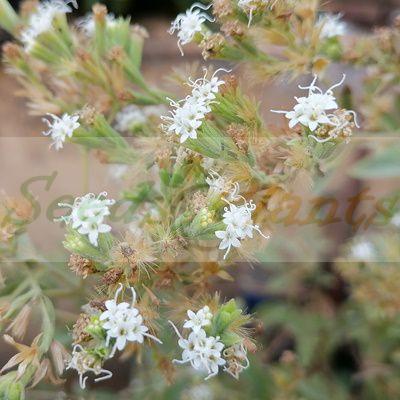
- 🌸 Flower Color: White
Growing Requirements
- 🌞 Sun Exposure: Full Sun, Partial Shade
- 💧 Water Needs: Avoid Overwatering, Regular Water, Water Deeply
- ☀️ Growing Conditions: Frost Sensitive
- 🟤 Soil Preference: Compost Enriched, Light, Loam, Moist, Rich Organic, Sandy loam, Well-Drained
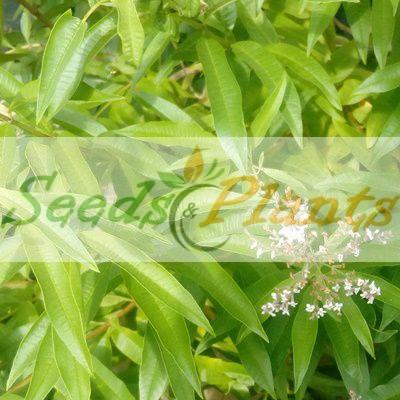
Stevia (Stevia rebaudiana), also called sweet leaf, is grown for its sweet-tasting leaves. The plant is native to Paraguay, where it has a long history of use.
The leaves contain a number of sweet-tasting chemicals known as steviol glycosides, which can be used fresh or dried to sweeten beverages or desserts or can be commercially processed into powdered noncaloric sweeteners. Steviol glycosides, particularly the chemicals stevioside and rebaudioside A, can be more than 300 times sweeter than table sugar and they do not affect blood glucose levels.
Common Names: Stevia, candyleaf, sweetleaf and sugarleaf.
Growing Stevia
Indoor Sowing: Late Winter.
Direct Sowing: Spring.
- Stevia needs full sun to thrive, so pick a site that receives at least six hours a day of direct sunlight.
- Stevia grows best in moist soil or potting mix rich with organic matter.
- Surface sow the stevia seeds and do not cover with soil or barely cover with a very thin layer of soil, as they need some light to germinate.
- Keep the soil evenly moist as the seeds germinate.
- Stevia seeds germinate best at temperatures between 20-24°C.
- Germination is very slow and can be erratic, so it is advisable to plant multiple seeds and to employ patience.
- Once the seedlings are at least 5cm tall, you can transplant them outdoors in Spring.
- Space the seedlings at least 15cm apart to give them room to grow in the garden.
- To grow the seedlings in indoor pots, thin the seedlings to two plants per large pot to give them additional room.
- Avoid using chemical fertilizers when planting stevia, since these can affect the sweetness of the leaves.
- Once the plant starts putting energy into flowers, the leaves become less sweet, so harvest the leaves before flowering.
Related products