Southern Balsam Pear – 5 Seeds
(Momordica balsamina)
R30.00
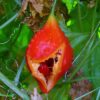
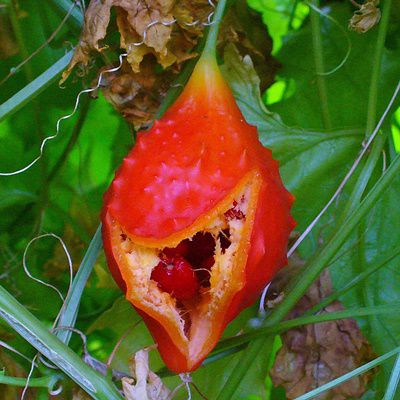
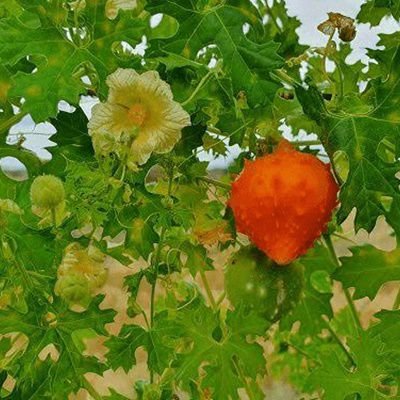
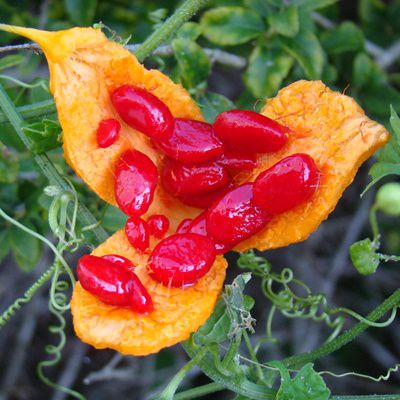
Southern Balsam Pear plant produces edible fruits that are ovoid to ellipsoid in shape, with a bulge in the center. The fruits are orange to red when ripe. When ripe, the fruits burst apart, revealing seeds covered in a red, extremely sticky coating.
Common names: Southern balsam pear (Eng.); laloentjie (Afr.); mohodu (Sotho); nkaka (Thonga); intshungu, intshungwana yehlathi (Zulu), Balsam apple, Balsamgurka, Mokhaa, Chhochhidan, and African Pumpkin.
Indoor Sowing: Late Winter / Early Spring.
Direct Sowing: Spring and Summer.
Out of Stock
Email me when the product is back in stock.
🌿 Herbal Quick Facts
Medicinal Info
- 🌍 Origin / Region: Asia, Middle East, Southern Africa, Tropical Africa
- 🌿 Medicinal Part: Fruit, Leaf, Root, Stem
- 🍵 Herbal Preparation: Decoction, Infusion / Tea, Juice, Liniments, Powder
- ⚕️ Healing System: African Traditional Medicine, Ayurvedic System of Medicine, Chinese Traditional Medicine
Culinary Info
- 🍽️ Culinary Use: Cooking, Curries, Pickling
- 🥗 Edible Part: Cooked Fruit, Leaf
- 😋 Flavor Profile: Bitter
Growth Traits
- 🌱 Life Cycle: Annual
- 🌾 Plant Type: Climber
- 🔁 Fruiting Needs: Needs Only 1 Plant
- 🦋 Pollinator Method: Attracts Bees, Self-pollinating
- 🪴 Growth Habit: Fast Growing, Vining
- 🌸 Flower Color: Creamy White, Pale yellow
Growing Requirements
- 🌞 Sun Exposure: Full Sun, Partial Shade
- 💧 Water Needs: Avoid Overwatering, Moderate Water, Water Deeply
- ☀️ Growing Conditions: Drought Tolerant, Frost Sensitive, Heat Tolerant, Moderate Cold Tolerance
- 🟤 Soil Preference: Tolerant of most soils, Well-Drained
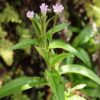
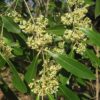
Southern Balsam Pear (Momordica balsamina) is a climbing annual to perennial native to the tropical regions of Africa. The plant can grow up to 5 meters long. Its stem is thin, angular and slightly hairy. The leaves are bright green and the flowers are pale yellow, cream or white, darker at the base, often deeply veined. The plant produces edible fruits that are ovoid to ellipsoid in shape, with a bulge in the center. The fruits are orange to red when ripe. When ripe, the fruits burst apart, revealing seeds covered in a red, extremely sticky coating.
Common names: Southern balsam pear (Eng.); laloentjie (Afr.); mohodu (Sotho); nkaka (Thonga); intshungu, intshungwana yehlathi (Zulu), Balsam apple, Balsamgurka, Mokhaa, Chhochhidan, and African Pumpkin.
Culinary Uses:
- The young leaves can be cooked and eaten as a vegetable, similar to spinach, or added to soups and stews. They are rich in vitamin C and various minerals
- The immature, green fruits are widely consumed as a cooked vegetable, often after being peeled and soaked in salted water to reduce bitterness. They are used in curries, pickles, and meat dishes in various cuisines.
CAUTION: The seeds and mature fruit flesh are considered poisonous and can cause vomiting and diarrhea. The green fruit must not be eaten raw, it must be cooked before consumption. The outer rind and the seeds of the fully ripe, orange or yellow fruit are also considered toxic and can cause vomiting and diarrhea if ingested. The ripe fruit can also be harmful or fatal to animals.
Medicinal Uses:
- Used as an application to treat burns, chapped hands and feet, external sores, frostbite, hemorrhoids, headache, and as a purgative.
Growing Balsam Pear
Indoor Sowing: Late Winter / Early Spring.
Direct Sowing: Spring and Summer.
- The plants prefer full sun, warm days and nights, and a trellis as a single vine can grow 5m long.
- Soak seeds overnight before planting. Pour very warm water in a jar and drop the seeds in there, allow to soak overnight, then plant the next day.
- Seeds can be sown in Spring or Summer.
- Sow the seeds about 3mm deep in good potting soil or in a composted hill of garden soil.
- Keep the soil moist and very warm until germination.
- Thin or transplant to 3 plants per hill and space hills 6 feet apart.
Can this plant be used for culinary purposes?
Southern Balsam Pear is traditionally used for culinary purposes such as cooking and curries.
Does this plant have medicinal uses?
Traditionally, Southern Balsam Pear has a history of use in various healing systems, including African Traditional Medicine and Ayurvedic System of Medicine. Seeds are sold for cultivation purposes only.
Disclaimer
Medicinal Information:
All medicinal information on this website is for educational and informational purposes only and may not be construed as medical advice. The information is not intended to replace medical advice or treatment offered by healthcare professionals.
Seeds, Plants, Plant Cuttings, Geophytes and Dried Herbs:
In some countries and provinces, certain plants are deemed as invasive and are not allowed to be planted at all, whilst some plants are allowed to be grown only in certain areas or provinces. The onus is on you as the buyer to familiarize yourself with the regulations pertaining to your location, before purchasing any of our seeds, plants, plant cuttings, geophytes or dried herbs. We will not be held liable, should you purchase any seeds, plants, plant cuttings, geophytes or dried herbs. from us which are prohibited in your country or province.
Related products