Hyssop – 10 Seeds
(Hyssopus officinalis)
R30.00
It is an evergreen garden herb of the mint family (Lamiaceae), grown for its aromatic leaves and flowers. The plant has a sweet scent and a warm bitter taste. It has long been used as a flavoring for foods and beverages and as a folk medicine.
Common Names: Hyssop and Blue Hyssop.
Indoor Sowing: Late Winter and Early Spring.
Direct Sowing: Spring.
Only 3 left in stock
🍃 Culinary Quick Facts
Culinary Info
- 🍽️ Culinary Use: Beverages/Teas, Flavoring, Garnish, Liqueurs/Wines, Seasoning
- 🥗 Edible Part: Flower, Leaf
- 😋 Flavor Profile: Minty, Pungent, Slightly Bitter
Medicinal Info
- 🌿 Medicinal Part: Flower, Leaf
- 🍵 Herbal Preparation: Essential Oil, Extract / Tincture, Infusion / Tea
- ⚕️ Healing System: Ayurvedic System of Medicine, European Traditional Medicine, Unani System of Medicine
Growth Traits
- 🌱 Life Cycle: Perennial
- 🌾 Plant Type: Shrub
- 🦋 Pollinator Method: Attracts Bees, Attracts Butterflies, Attracts Moths
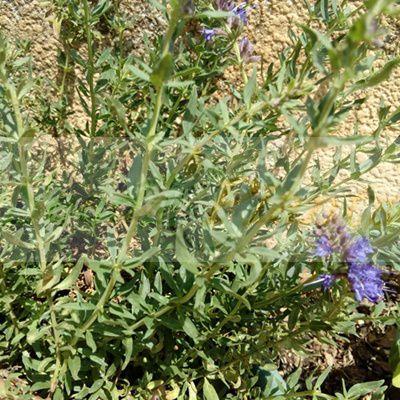
- 🪴 Growth Habit: Bushy, Compact, Upright
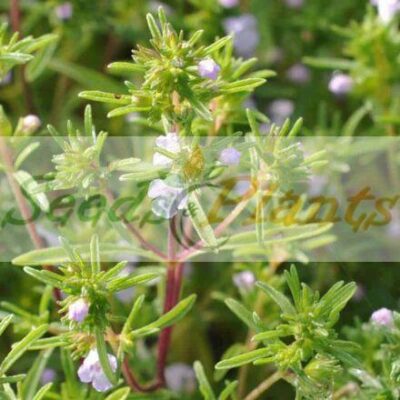
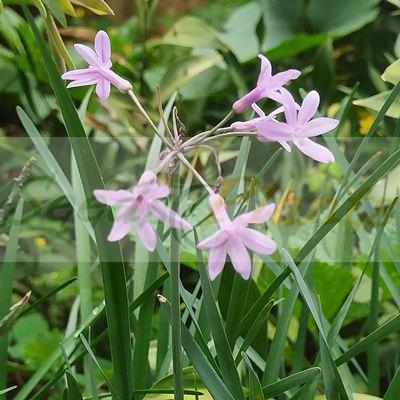
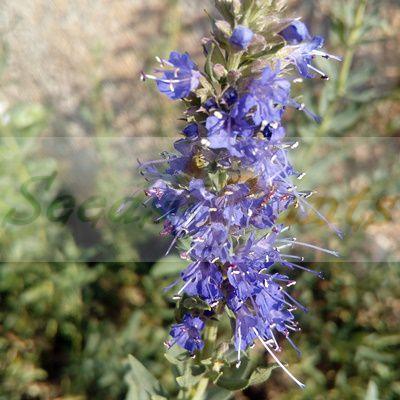
- 🌸 Flower Color: Violet
Growing Requirements
- 🌞 Sun Exposure: Full Sun
- 💧 Water Needs: Avoid Overwatering, Moderate Water, Water Deeply
- ☀️ Growing Conditions: Drought Tolerant, Heat Tolerant, Moderate Cold Tolerance, Moderate Frost Tolerance
- 🟤 Soil Preference: Loam, Moderately Fertile, Sandy, Well-Drained
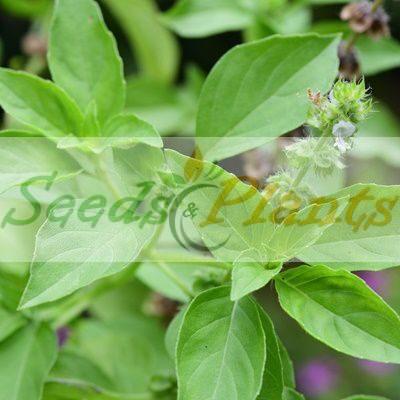
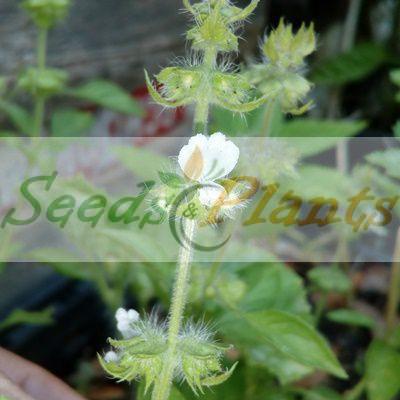
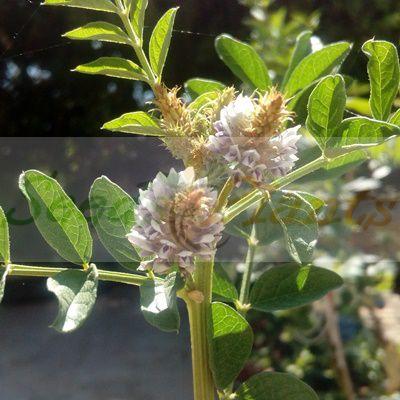
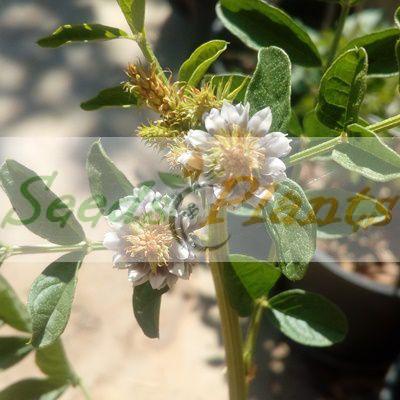
Hyssop (Hyssopus officinalis) is an evergreen sub-shrub herb of the mint family (Lamiaceae), grown for its aromatic leaves and flowers. The plant has a sweet scent and a warm bitter taste. It has long been used as a flavoring for foods and beverages and as a folk medicine.
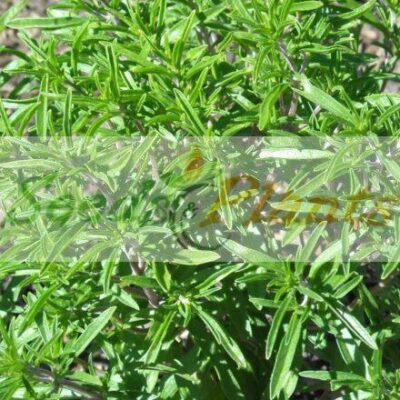
It is a small perennial plant about 0.5m high. The narrow elliptical leaves are about 2 to 3 cm long and grow in pairs on the stem.
Medicinal Benefits
- A strong tea made of the leaves and sweetened with honey is a traditional remedy for nose, throat, and lung afflictions and is sometimes applied externally to bruises.
Culinary Uses & Other Uses
- In the Middle Ages, hyssop was a stewing herb. Its modern uses are for flavoring meats, fish, vegetables, salads, sweets, and such liqueurs as absinthe.
- The flowers attract bees and the honey made from hyssop pollen is considered especially fine.
- The leaves contain oil of hyssop, a volatile oil used by perfumers.
Growing Hyssop Officinalis
Indoor Sowing: Late Winter and Early Spring.
Direct Sowing: Spring.
- Sow seeds indoors just beneath the surface of the soil.
- Keep the soil consistently moist but not soggy during germination.
- Germination in about 14-21 days.
- Transplant out in the spring after the last frost.
- Space hyssop plants 30-45cm apart.
Related products