
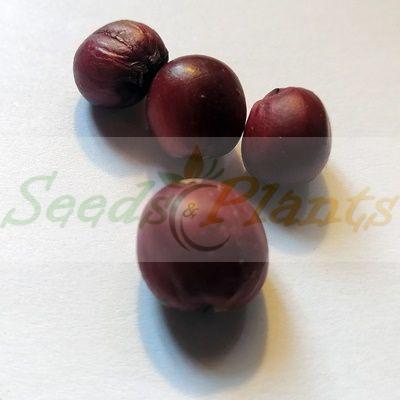
Arabic Coffee – 5 Seeds
(Coffea arabica)
R50.00
Arabic Coffee is believed to be the first species of coffee to have been cultivated, and is currently the dominant coffee cultivar.
Seed Type: Organic – Harvested from our own Trees.
Indoor Sowing: Year Round.
Direct Sowing: Not Recommended.
Out of Stock
Email me when the product is back in stock.
☕ Coffee & Tea Quick Facts
Plant Info
- 🌍 Origin / Region: Horn of Africa
- 🌿 Foliage Type: Evergreen
- 🥗 Edible Part: Fruit pulp, Leaf, Seed
Medicinal Info
- 🌿 Medicinal Part: Fruit, Leaf, Seed
- 🍵 Herbal Preparation: Decoction, Extract / Tincture, Infusion / Tea, Poultice
- ⚕️ Healing System: African Traditional Medicine, Ayurvedic System of Medicine
Growth Traits
- 🌱 Life Cycle: Perennial
- 🌾 Plant Type: Tree
- 🪴 Growth Habit: Upright
Growing Requirements
- 🔁 Fruiting Needs: Needs Only 1 Plant
- 🌞 Sun Exposure: Partial Shade
- 💧 Water Needs: Avoid Overwatering, Regular Water, Water Deeply
- ☀️ Growing Conditions: Average Temperatures, Frost Sensitive, Humid Conditions, Not Heat Tolerant
- 🟤 Soil Preference: Acidic, Rich Organic, Well-Drained
Coffea arabica also known as the Arabic coffee, is a species of flowering plant in the coffee and madder family Rubiaceae. The plant originates from Ethiopia. It is believed to be the first species of coffee to have been cultivated, and is currently the dominant cultivar, representing about 60% of global production. It is prized for its superior and complex flavor profile, which is smoother and less bitter than the Robustaspecies due to lower caffeine content and higher lipid/sugar content.
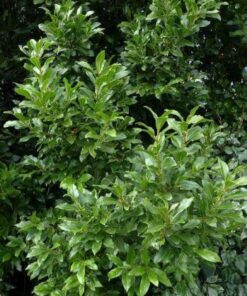
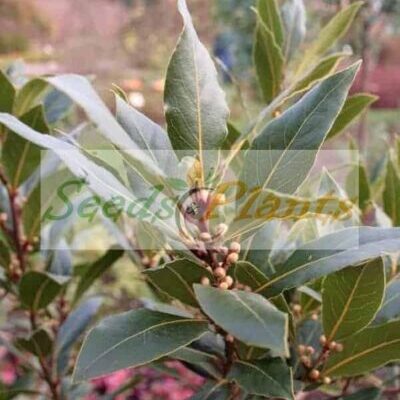
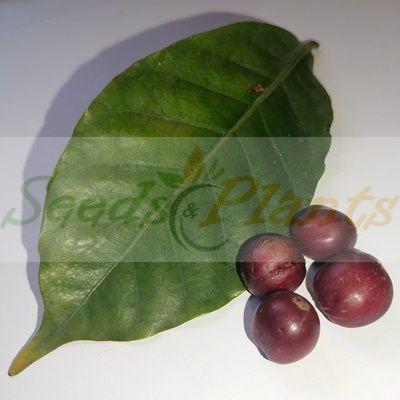
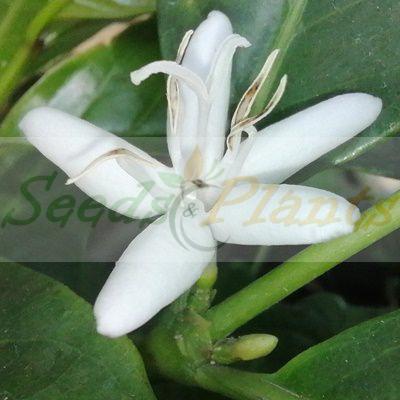
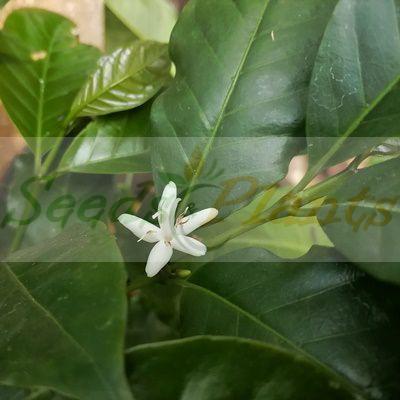
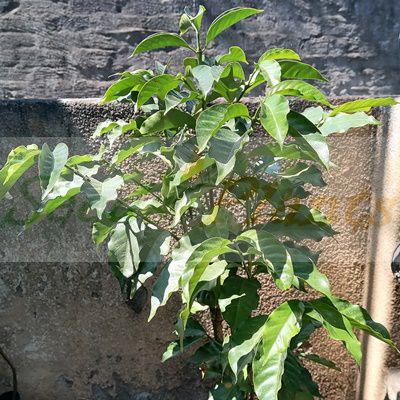
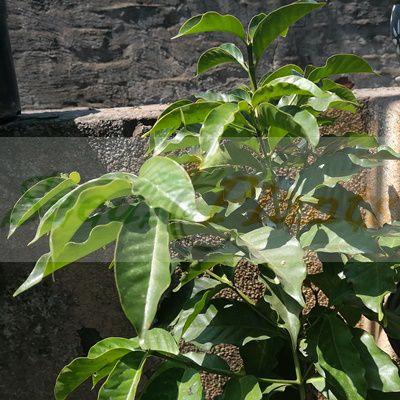
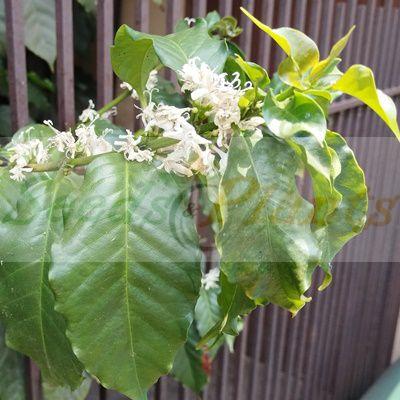
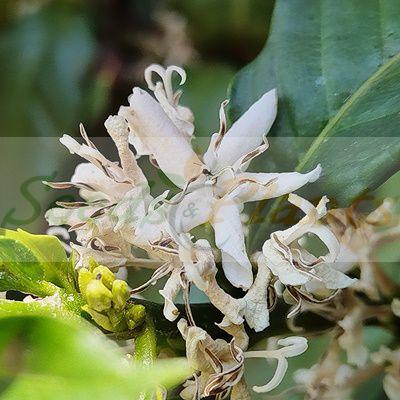
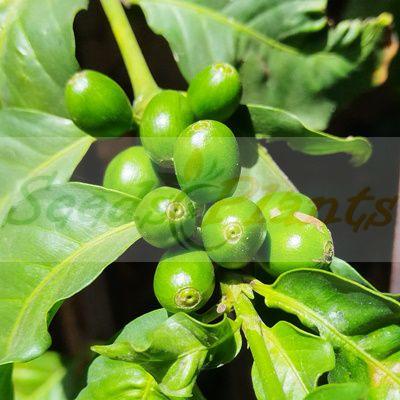
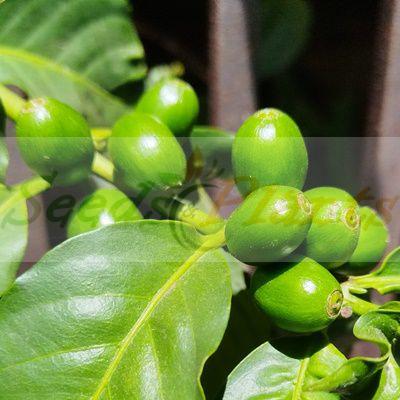
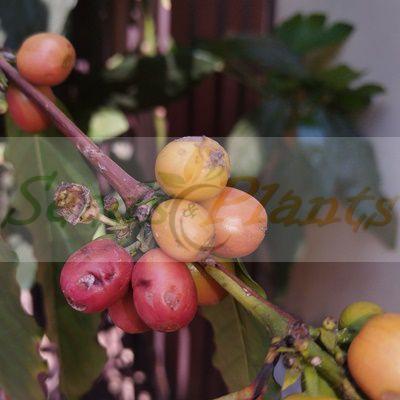
It is a small upright evergreen shrub or small tree with glossy green foliage. After 3-4 years small white fragrant blooms will appear from late spring to early summer, followed by green berries which turn red when maturing in Autumn. Berries are picked by hand when ripe and de-pulped, with the extracted seeds/beans then dried in the sun before roasting and grinding to produce coffee.
Although not widely marketed as a fresh fruit, coffee berries are edible. The edible portion is the sweet, fleshy pulp that surrounds the seeds, which are the coffee beans. The dried skin and pulp of the coffee cherry are used to make a fruity, tea-like beverage called cascara. It has a flavor profile that is distinct from brewed coffee. In some coffee-growing regions, farmers and locals eat the pulp as a snack. The pulp is also used to make supplements, juices, and health bars due to its high antioxidant content. The plant is also used for medicinal benefits.
Growing Arabic Coffee
Indoor Sowing: Year Round.
Direct Sowing: Not Recommended.
- Needs bright light and high humidity if grown indoors, but if grown outdoors it prefers some partial shade.
- First soak the coffee seeds in water for 24 hours.
- Then sow the seeds in damp, but well-draining, sand and cover with a layer of sand.
- Place the tray or container in a warm, sunny location.
- Keep the sand only slightly moist, and not wet, as wet soil will rot the seeds.
- Optimum germination temperature at about 25°C.
- Germination in 3 – 6 months, but can take longer.
- Once they’ve germinated, carefully remove them and plant each one in well-draining, acidic soil.
- Re-pot the coffee plant every spring, gradually stepping up the pot size.
Can this plant be used for culinary purposes?
Arabic Coffee is traditionally used for culinary purposes such as beverages/teas and flavoring.
Does this plant have medicinal uses?
Traditionally, Arabic Coffee has a history of use in various healing systems, including African Traditional Medicine and Ayurvedic System of Medicine. Seeds are sold for cultivation purposes only.
Disclaimer
Medicinal Information:
All medicinal information on this website is for educational and informational purposes only and may not be construed as medical advice. The information is not intended to replace medical advice or treatment offered by healthcare professionals.
Seeds, Plants, Plant Cuttings, Geophytes and Dried Herbs:
In some countries and provinces, certain plants are deemed as invasive and are not allowed to be planted at all, whilst some plants are allowed to be grown only in certain areas or provinces. The onus is on you as the buyer to familiarize yourself with the regulations pertaining to your location, before purchasing any of our seeds, plants, plant cuttings, geophytes or dried herbs. We will not be held liable, should you purchase any seeds, plants, plant cuttings, geophytes or dried herbs. from us which are prohibited in your country or province.
Related products