Chia – 100 Seeds
(Salvia hispanica)
R30.00
This super food was grown by the Aztecs as early as 3500 BC. Chia seeds are high in Omega-3 and fiber.
Indoor Sowing: Early Spring.
Direct Sowing: Mid Spring and Late Spring.
In stock
🍃 Culinary Quick Facts
Culinary Info
- 🍽️ Culinary Use: Baking, Beverages/Teas, Binding/Thickening, Desserts, Porridge, Raw Eating
- 🥗 Edible Part: Leaf, Seed, Sprouts
- 😋 Flavor Profile: Mild
Growth Traits
- 🌱 Life Cycle: Annual
- 🌾 Plant Type: Herbaceous plant
- 🦋 Pollinator Method: Attracts Bees, Attracts Butterflies, Attracts Hoverflies, Attracts Hummingbirds, Self-pollinating
- 🔁 Pollination Needs: Needs Only 1 Plant
- 🪴 Growth Habit: Tall Growing, Upright
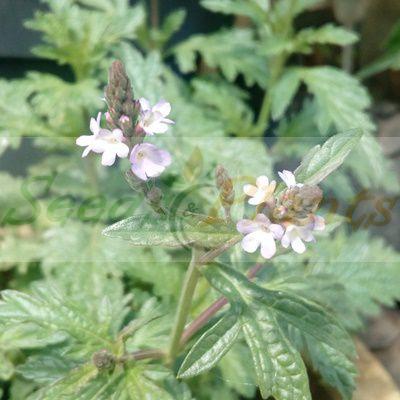
- 🌸 Flower Color: Purple
Growing Requirements
- 🌞 Sun Exposure: Full Sun
- 💧 Water Needs: Avoid Overwatering, Moderate Water
- ☀️ Growing Conditions: Drought Tolerant, Frost Sensitive, Moderate Heat Tolerance, Not Cold Tolerant
- 🟤 Soil Preference: Tolerant of most soils, Well-Drained
Salvia hispanica, commonly known as chia, is a species of flowering plant in the mint family, Lamiaceae, native to central and southern Mexico and Guatemala. This super-food was grown by the Aztecs as early as 3500 BC.
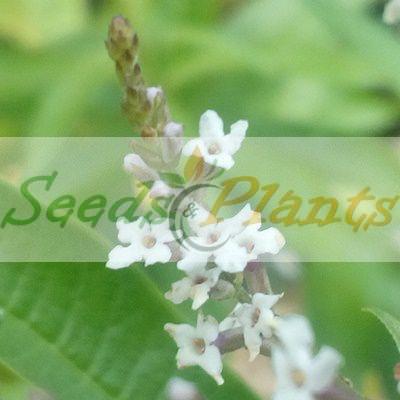
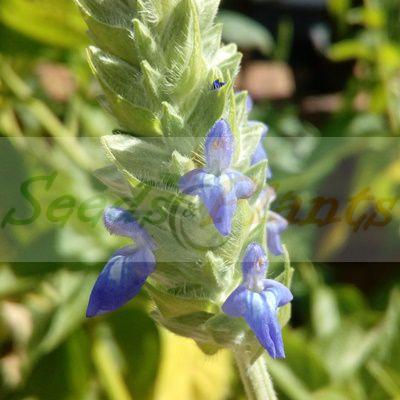
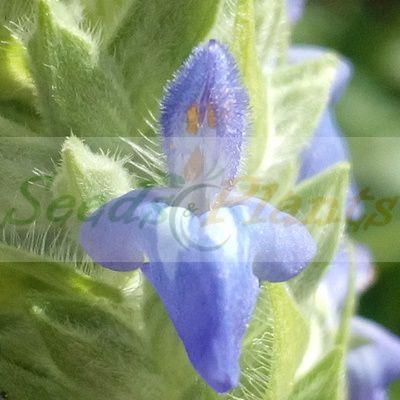
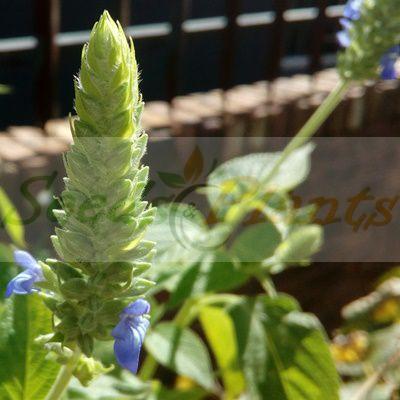
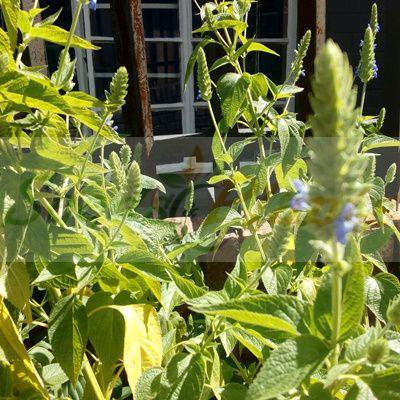
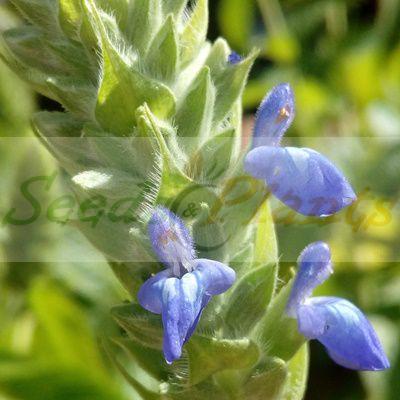
Chia plants are drought tolerant with delicate tube-like purple flowers on tall spikes. The flower spikes are 10cm long and they develop into a seed-head with brownish grey, shiny seeds on plants 80+ cm tall. They require quite a bit of space in the garden and would do best in a garden bed rather than a pot. They will need as much space as a large bush or small tree would. The flowers attract native bees, honeybees, butterflies and hummingbirds to the garden.
Culinary Uses
- The seeds are high in Omega-3 and fiber and can be added to cakes and muffins, yogurt, desserts, drinks, and many other dishes.
- The seeds can also be prepared with water to make a gelatinous substitute for eggs.
- The leaves and stems are also popular in sandwiches, soups, salads and stews.
Growing Chia
Indoor Sowing: Early Spring.
Direct Sowing: Mid Spring and Late Spring.
- Prefers well draining sandy soil, but also grows very well in clay soil, provided that the soil is well draining.
- Chia plants do best in full sun and the plant is very heat tolerant.
- Seeds can be started indoors in early spring or direct sow outdoors in mid to late spring, after all chance of frost has passed.
- If growing in containers, then add some sand to the potting mix, before sowing the seeds.
- Surface sow the seeds and do not cover them with soil, as the seeds need light for successful germination.
- Keep the soil consistently moist, but not waterlogged, until the seedlings appear.
- Germination takes about 14 days at a soil temperature of 20-22°C.
- Carefully prick the seedlings out and move them to individual pots, if you plan to grow them in containers.
- Thin out direct sown seedlings so that they are spaced 30cm to 45cm apart, allowing them plenty of room to grow, as the plants are big plants.
- Can be grown in large containers, but tends to do better when grown in the garden.
Related products