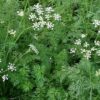



Cumin – 200 Seeds
(Cuminum cyminum)
R30.00
It is used to flavor grilled meat, soups and stews, sausages, pickles, cheeses, liqueurs and rice and bean dishes.
Common Names: Jeera and Sabut jeera.
Indoor Sowing: Late Winter and Early Spring.
Direct Sowing: Spring and Autumn.
In stock
🍃 Culinary Quick Facts
Culinary Info
- 🍽️ Culinary Use: Flavoring, Marinades/Dressings, Pickling, Rubs, Soups and Stews, Spice Blends, Vegetable dishes
- 🥗 Edible Part: Seed
- 😋 Flavor Profile: Earthy, Nutty
Medicinal Info
- 🌿 Medicinal Part: Seed
- 🥣 Herbal Preparation: Decoction, Essential Oil, Paste, Powder
- ⚕️ Healing System: Ayurvedic System of Medicine, Chinese Traditional Medicine, Unani System of Medicine
Growth Traits
- 🌱 Life Cycle: Annual
- 🌾 Plant Type: Herbaceous Annual
- 🦋 Pollinator Method: Attracts Bees, Attracts Butterflies, Attracts Hoverflies, Attracts Lacewings, Attracts Parasitic Wasps, Self-pollinating
- 🔁 Pollination Needs: Needs Only 1 Plant
- 🪴 Growth Habit: Bushy
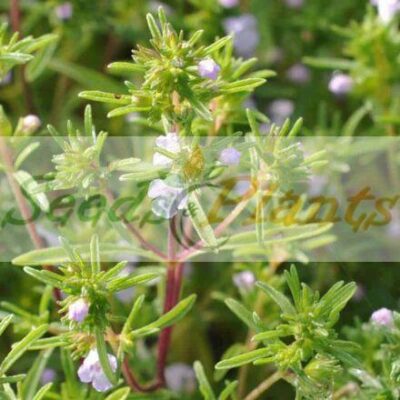
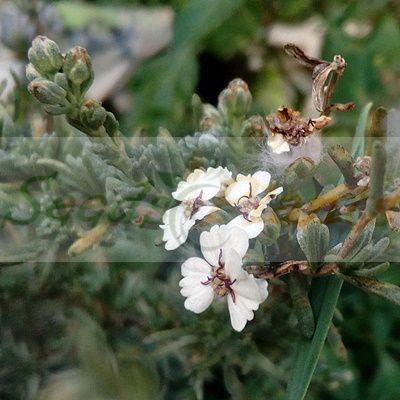
- 🌸 Flower Color: White
Growing Requirements
- 🌞 Sun Exposure: Full Sun
- 💧 Water Needs: Avoid Overwatering, Regular Water, Water Deeply
- ☀️ Growing Conditions: Drought Tolerant, High Temperatures
- 🟤 Soil Preference: Fertile, Loam, Sandy, Well-Drained
Cumin Seeds. Cumin (Cuminum cyminum) is an annual flowering plant from the family Apiaceae, or parsley family, whose seeds are used in the cuisines of Mexico, Asia, the Mediterranean and the Middle East.
Cumin Culinary Uses
Cumin is highly prized spice in many dishes from Indian, Middle Eastern, Mexican, Portuguese and Spanish cookery. It is used in most curry powders and chili powders. It is used to flavor grilled meat especially lamb and chicken dishes as well as soups and stews, sausages, pickles, cheeses, liqueurs and rice and bean dishes. It can also be added to plain rice to give it an extra bite as well as bean dished. In Mexico it is an essential ingredient in chili con carne, enchiladas with chili sauce and hot tamales. In India it is used to make an appetizing Indian drink, zeera pani is made from cumin and tamarind water. Oil of cumin is used in fragrances.
Cumin Medicinal Benefits
- Treatment of digestive disorders including colic, stomach upset and flatulence (gas) and pains in the abdomen from sluggish digestion.
- Treatment for headaches.
- Topically to treat some skin disorders.
Growing Cumin
Indoor Sowing: Late Winter and Early Spring.
Direct Sowing: Spring and Autumn.
- It likes a hot climate with temperatures around 30°C and well drained soil.
- It prefers sandy soil, but will grow in most soil types provided that it is well draining.
- It needs a sunny position that will receive as much sunshine as possible.
- It needs little water once established and is very drought tolerant.
- Sow seeds on moist, well draining soil and cover with a thin layer of soil.
- Keep the seeds moist during germination.
- Germination typically takes 10-14 days at a soil temperature of 16-18°C.
Related products