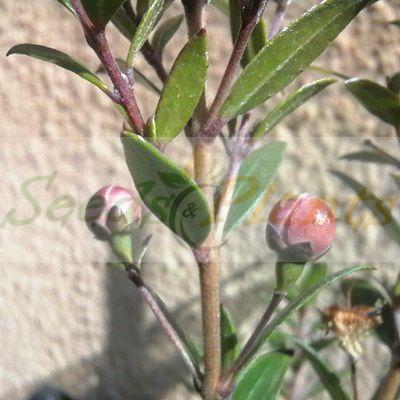
Dwarf Myrtle – 5 Seeds
(Myrtus communis ‘Compacta’)
R50.00
Dwarf Myrtle has both culinary and medicinal uses. Can be grown in containers.
Indoor Sowing: Early Spring.
Direct Sowing: Early Spring and Autumn.
Only 1 left in stock
🍃 Culinary Quick Facts
Culinary Info
- 🍽️ Culinary Use: Cooking, Garnish, Liqueurs/Wines, Pepper Substitute, Rubs
- 🥗 Edible Part: Berry, Buds, Flower, Leaf
- 😋 Flavor Profile: Citrusy
Medicinal Info
- 🌿 Medicinal Part: Berry, Flower, Leaf
- 🥣 Herbal Preparation: Decoction, Essential Oil, Infusion / Tea, Ointments/Creams, Paste, Powder
- ⚕️ Healing System: European Traditional Medicine, Unani System of Medicine
Growth Traits
- 🌱 Life Cycle: Perennial
- 🌾 Plant Type: Shrub
- 🔁 Fruiting Needs: Needs Only 1 Plant
- 🦋 Pollinator Method: Attracts Bees, Attracts Beetles, Self-pollinating
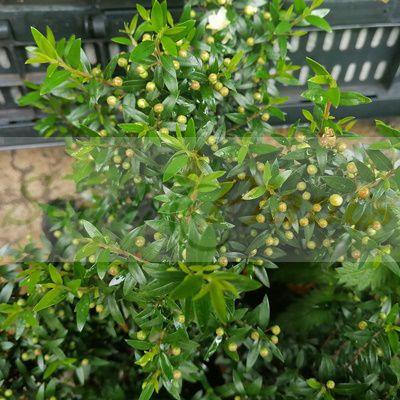
- 🪴 Growth Habit: Bushy, Rounded, Slow Growing
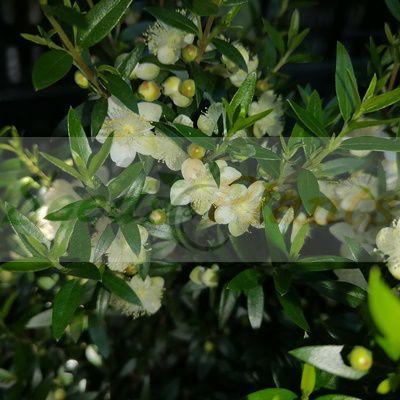
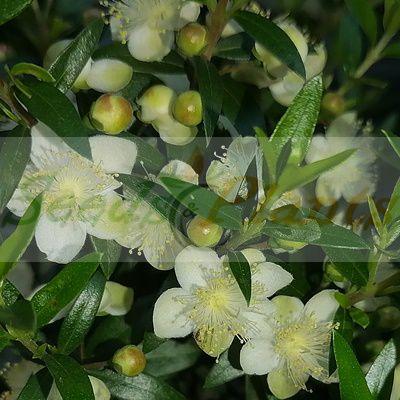
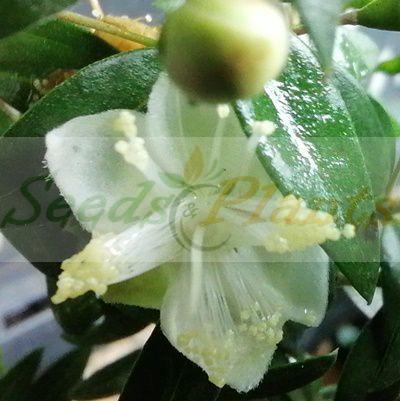
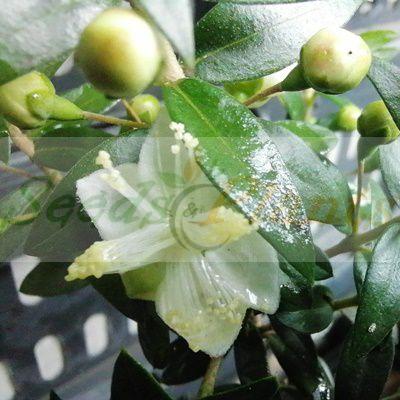
- 🌸 Flower Color: Creamy White
Growing Requirements
- 🌞 Sun Exposure: Full Sun, Partial Shade
- 💧 Water Needs: Avoid Overwatering, Moderate Water, Water Deeply
- ☀️ Growing Conditions: Drought Tolerant, Frost Tolerant, Heat Tolerant, Salt-tolerant, Wind Tolerant
- 🟤 Soil Preference: Clay, Loam, Moderately Fertile, Saline, Sandy, Tolerant of most soils, Well-Drained
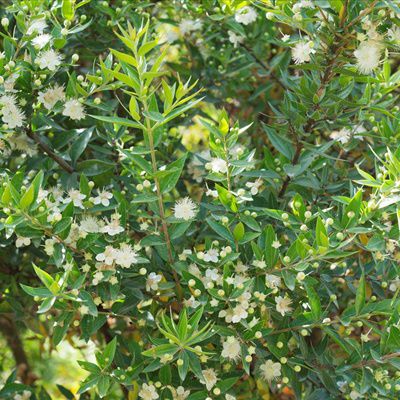
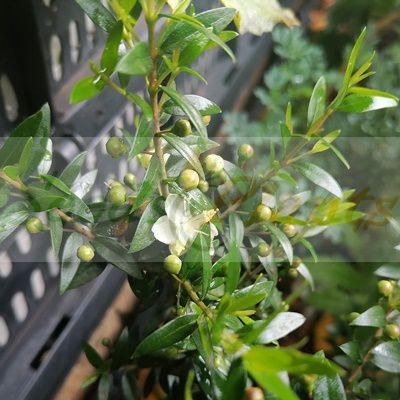
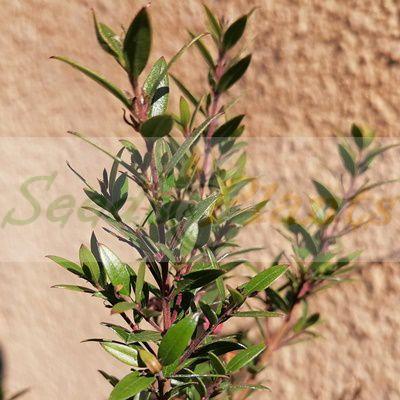
Dwarf Myrtle (Myrtus communis ‘Compacta’) is a dwarf version of the popular Myrtle shrub. It is a dense multi-stemmed evergreen shrub with a more or less rounded form. It will grow to be about 60 cm to 1.2 m tall with the flowers, with a similar spread. The plant has both culinary and medicinal uses. Can be grown in containers.
Dwarf Myrtle Culinary Uses
- The leaves are used in cooking, like bay leaf. The slight citrus flavor pairs well with pork, bacon, veal and lamb; and is also useful in marinades and soups.
- The dried leaves have a less intense flavor and are ground as a rub for pork chops or roast.
- The dried berries are spicy and substitute for ground black pepper. They also sweeten the breath.
- Use the flowers as a garnish in salads, desserts and drinks.
Dwarf Myrtle Medicinal Benefits
- Myrtle leaves are astringent, tonic and antiseptic and is used to clean and heal external wounds.
- Myrtle sprigs can be used to ease bruises, strains and sprains.
- Internally, a myrtle infusion is reputed to relieve colds, chest infections, sinusitis and urinary-tract infections.
- A myrtle bath helps soothe tired muscles.
Growing Dwarf Myrtle
Indoor Sowing: Early Spring.
Direct Sowing: Early Spring and Autumn.
- Sow seeds in autumn or early spring on the surface of the substrate, consisting of equal parts of peat and sand.
- Sprinkle a thin layer of the same substrate over the seeds.
- Requires temperature of at least 20 degrees celcius for germination to take place.
- Germination in about 1 month.
- When the seedlings have 2-3 true leaves, plant in individual pots.
- Myrtle grown from seeds will only start blooming after 4-5 years.
Related products
Out of stock

Out of stock