Rosemary – 5 Seed Pellets
(Rosmarinus officinalis)
R30.00
Rosemary is a well known culinary herb and medicinal plant and it is also used in cosmetics.
Each pellet includes 10 – 15 Rosemary seeds.
Indoor Sowing: Winter.
Direct Sowing: Winter.
Out of Stock
Email me when the product is back in stock.
🍃 Culinary Quick Facts
Culinary Info
- 🌍 Origin / Region: Mediterranean
- 🍽️ Culinary Use: Baking, Bouquet garni, Herbes de Provence, Oils / Vinegars, Roasting, Savory dishes, Soups and Stews, Vegetable dishes
- 🥗 Edible Part: Flower, Leaf, shoot tips, Stem
- 😋 Flavor Profile: Aromatic, Minty, Piney, Sage-like, Woody
- ⓘ Plant Use: Aromatherapy, Cosmetics/Skincare, Culinary, Insect Repellent, Medicinal
Medicinal Info
- 🌿 Medicinal Part: Flower, Flowering Tops, Leaf, Stem
- 🍵 Herbal Preparation: Decoction, Essential Oil, Extract / Tincture, Infusion / Tea, Ointments/Creams, Powder
- ⚕️ Healing System: European Traditional Medicine
Growth Traits
- 🌱 Life Cycle: Perennial
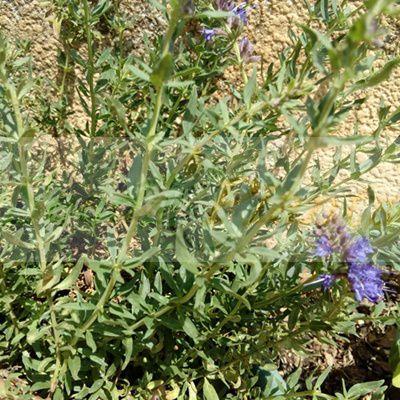
- 🌾 Plant Type: Shrub
- 🦋 Pollinator Method: Attracts Bees, Attracts Butterflies, Self-pollinating
- 🪴 Growth Habit: Bushy, Shrub-like, Upright
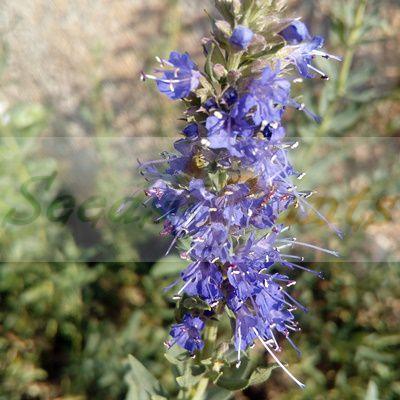
- 🌸 Flower Color: Pale Blue, Violet
Growing Requirements
- 🌞 Sun Exposure: Full Sun
- 💧 Water Needs: Avoid Overwatering, Low Water
- ☀️ Growing Conditions: Cold Tolerant, Drought Tolerant, Frost Tolerant, Heat Tolerant
- 🟤 Soil Preference: Gravel, Loam, Nutrient-poor, pH 6.0-7.8, Sandy, Well-Drained
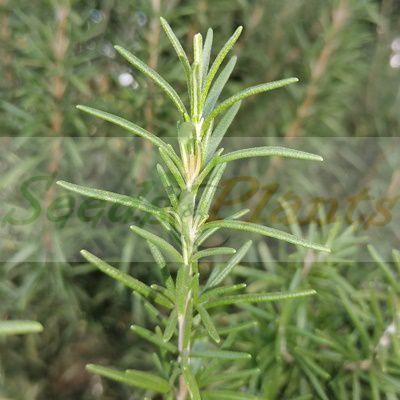
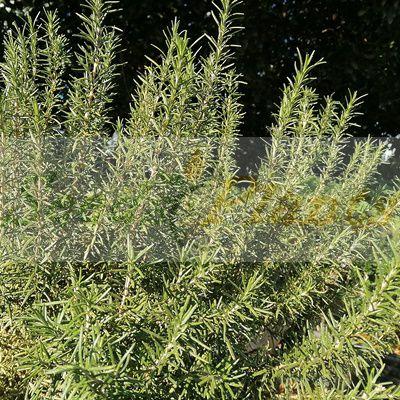
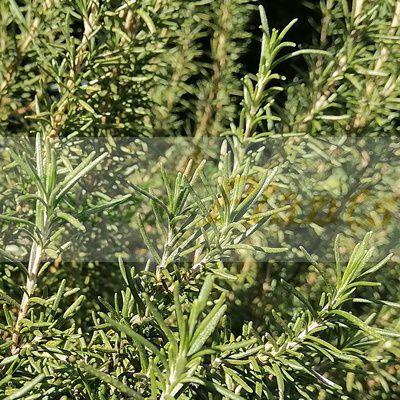
Rosemary (Rosmarinus officinalis) is an aromatic perennial bushy shrub with branches that are full of green needle-like leaves. It is a well known culinary herb and medicinal plant and it is also used in cosmetics. Rosemary has significant antimicrobial, anti-inflammatory, anti-oxidant, anti-apoptotic, anti-tumorigenic, antinociceptive, and neuron-protective properties.
Each pellet includes 10 to 15 seeds of Rosmarinus officinalis.
Rosemary Culinary Uses
- Meats & Savory Dishes: Excellent for flavoring roasted meats (especially lamb, chicken, and pork), fish, stews, soups, and casseroles.
- Vegetables & Sides: Complements potatoes, mushrooms, tomatoes, and Mediterranean vegetable dishes.
- Baking & Infusions: Used in breads (focaccia), crackers, and biscuits. It is commonly infused into olive oil, vinegar, butter, or wine.
- Beverages: Used in making herbal teas and sometimes in cocktails.
- Blend Inclusion: A key component in herbes de Provence and bouquet garni.
Edible Parts
- Leaves: The primary edible part, used fresh or dried. Tender new leaves are best for consuming directly, while tougher, older leaves are better for infusing flavor and removing before serving.
- Flowers: The small white, pink, or purple/blue flowers are edible, having a slightly milder, sweeter taste than the leaves, often used as a garnish.
- Stems: While woody, tender, young green stems can be chopped. Older, woody stems are often used as skewers for grilling kebabs, imparting flavor to meat.
Other Uses
- Medicinal: Known for antioxidant, anti-inflammatory, and antimicrobial properties. It is used for digestive aid (dyspepsia), improving memory and concentration, relieving muscle/joint pain, and promoting blood circulation.
- Cosmetics & Hair Care: Used in shampoos, lotions, and soaps, particularly for stimulating hair growth (treating alopecia) and as a natural preservative (E392) in cosmetic formulations.
- Aromatherapy: The essential oil is used to increase mental alertness, reduce stress, and improve mood.
- Gardening & Household: Used as an ornamental, drought-tolerant, evergreen, and aromatic hedging plant. It also acts as a natural pest repellent in gardens.
Growing Rosemary
Indoor Sowing: Winter.
Direct Sowing: Winter.
- Start the seeds 8-10 weeks before the average last frost date.
- Plant 1 seed pellet per cell or per pot.
- Since the seeds are pelleted, it performs best when given consistent, moderate soil moisture throughout the germination period.
- Do not allow the soil to dry out during the germination process.
Can this plant be used for culinary purposes?
Rosemary is traditionally used for culinary purposes such as baking and bouquet garni.
Does this plant have medicinal uses?
Traditionally, Rosemary has a history of use in European Traditional Medicine. Seeds are sold for cultivation purposes only.
Disclaimer
Medicinal Information:
All medicinal information on this website is for educational and informational purposes only and may not be construed as medical advice. The information is not intended to replace medical advice or treatment offered by healthcare professionals.
Seeds, Plants, Plant Cuttings, Geophytes and Dried Herbs:
In some countries and provinces, certain plants are deemed as invasive and are not allowed to be planted at all, whilst some plants are allowed to be grown only in certain areas or provinces. The onus is on you as the buyer to familiarize yourself with the regulations pertaining to your location, before purchasing any of our seeds, plants, plant cuttings, geophytes or dried herbs. We will not be held liable, should you purchase any seeds, plants, plant cuttings, geophytes or dried herbs. from us which are prohibited in your country or province.
Related products