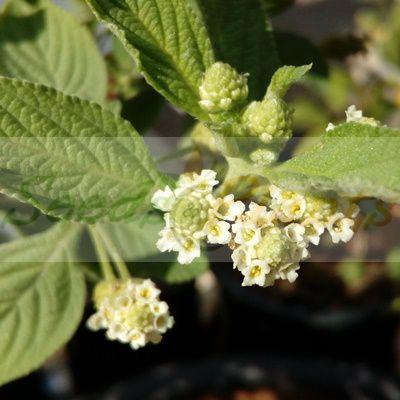
Fever Tea – 10 Seeds
(Lippia javanica)
R30.00
In Africa Fever Tea is a well known medicinal plant.
Common names: fever tea, lemon bush (English); koorsbossie, beukesbossie, lemoenbossie (Afrikaans); mutswane, umsutane (Swati); inzinziniba (Xhosa); umsuzwane, umswazi (Zulu); musukudu, bokhukhwane (Tswana).
Indoor Sowing: Early Spring.
Direct Sowing: Early Summer.
In stock
🌿 Herbal Quick Facts
Medicinal Info
- 🌿 Medicinal Part: Leaf, Root, Stem
- 🥣 Herbal Preparation: Essential Oil, Infusion / Tea, Inhalation, Juice, Ointments/Creams, Poultice
- ⚕️ Healing System: African Traditional Medicine
Growth Traits
- 🌱 Life Cycle: Perennial
- 🌾 Plant Type: Shrub
- 🔁 Fruiting Needs: Needs Only 1 Plant
- 🦋 Pollinator Method: Attracts Bees, Attracts Butterflies, Attracts Moths
- 🪴 Growth Habit: Upright
- 🌿 Foliage Type: Evergreen
- 🌸 Flower Color: Creamy White
Growing Requirements
- 🌞 Sun Exposure: Full Sun
- 💧 Water Needs: Avoid Overwatering, Low Water
- ☀️ Growing Conditions: Drought Tolerant
- 🟤 Soil Preference: Clay, Loam, Sandy, Tolerant of most soils, Well-Drained
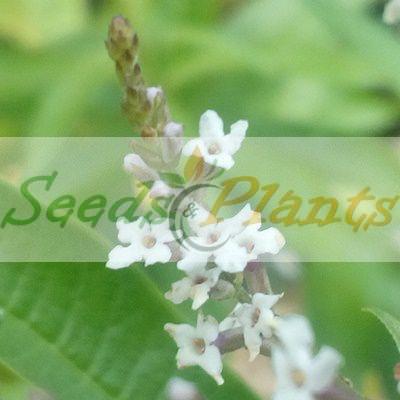
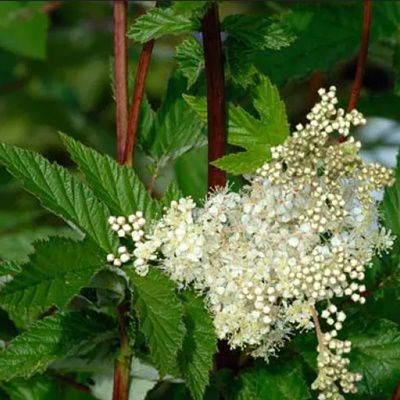
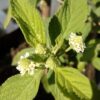
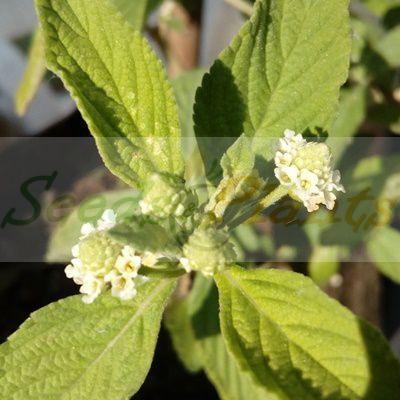
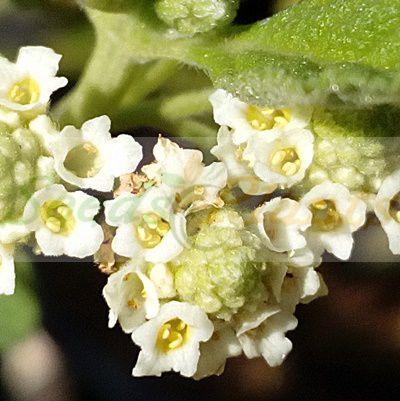
Fever Tea (Lippia javanica) is a strongly fragrant, medicinal plant indigenous to southern and tropical parts of Africa. The plant belongs to the Verbenaceae family. It is a 1 – 2 m high multi-stemmed, woody erect shrub. The leaves are hairy with noticeable veins and when crushed gives off a strong aroma. The plant produces small cream flowers. These flowers are arranged in dense, rounded flower heads. In Africa it is a well known medicinal plant.
Common names: fever tea, lemon bush (English); koorsbossie, beukesbossie, lemoenbossie (Afrikaans); mutswane, umsutane (Swati); inzinziniba (Xhosa); umsuzwane, umswazi (Zulu); musukudu, bokhukhwane (Tswana)
Fever Tea Medicinal Uses:
- Treatment of Coughs, colds, influenza, asthma and pleurisy. .
- Treatment of Malaria, measles, skin disorders, scratches and bites.
Growing Fever Tea
Indoor Sowing: Early Spring.
Direct Sowing: Early Summer.
- It grows relatively fast and prefers sunny areas, but can also grow in partial shade.
- The plant tolerates a wide variety of soil types. It prefers a well-drained loam soil.
- The seeds can be sown in trays in early spring or directly into the beds in early summer.
- Surface sow the seeds and lightly cover the seeds with sowing mix, clean coarse sand, or milled bark.
- Place the tray in a warm, bright area, to germinate.
- Water daily to ensure that the growing medium remains moist.
- The optimum temperature for seed germination is between 15 °C – 25 °C.
- Although the shrub is somewhat drought tolerant, it grows best when watered regularly.
- It can be grown in containers.
Related products