Rosemary – 5 Seed Pellets
(Rosmarinus officinalis)
R30.00
Rosemary is a well known culinary herb and medicinal plant and it is also used in cosmetics.
Each pellet includes 10 – 15 Rosemary seeds.
Indoor Sowing: Winter.
Direct Sowing: Winter.
Out of Stock
Email me when the product is back in stock.
🍃 Culinary Quick Facts
Culinary Info
- 🍽️ Culinary Use: Baking, Bouquet garni, Herbes de Provence, Oils / Vinegars, Roasting, Savory dishes, Soups and Stews, Vegetable dishes
- 🥗 Edible Part: Flower, Leaf, shoot tips, Stem
- 😋 Flavor Profile: Aromatic, Minty, Piney, Sage-like, Woody
- ⓘ Plant Use: Aromatherapy, Cosmetics/Skincare, Culinary, Insect Repellent, Medicinal
Medicinal Info
- 🌿 Medicinal Part: Flower, Flowering Tops, Leaf, Stem
- 🥣 Herbal Preparation: Decoction, Essential Oil, Extract / Tincture, Infusion / Tea, Ointments/Creams, Powder
- ⚕️ Healing System: European Traditional Medicine
Growth Traits
- 🌱 Life Cycle: Perennial
- 🌾 Plant Type: Shrub
- 🦋 Pollinator Method: Attracts Bees, Attracts Butterflies, Self-pollinating
- 🪴 Growth Habit: Bushy, Shrub-like, Upright
- 🌸 Flower Color: Pale Blue, Violet
Growing Requirements
- 🌞 Sun Exposure: Full Sun
- 💧 Water Needs: Avoid Overwatering, Low Water
- ☀️ Growing Conditions: Cold Tolerant, Drought Tolerant, Frost Tolerant, Heat Tolerant
- 🟤 Soil Preference: Gravel, Loam, Nutrient-poor, pH 6.0-7.8, Sandy, Well-Drained
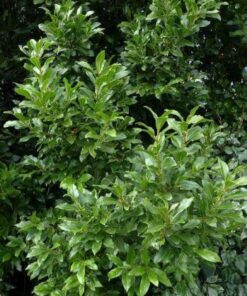
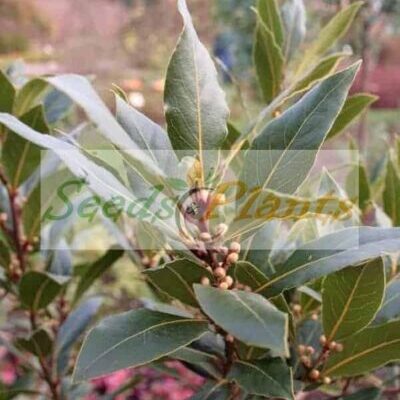
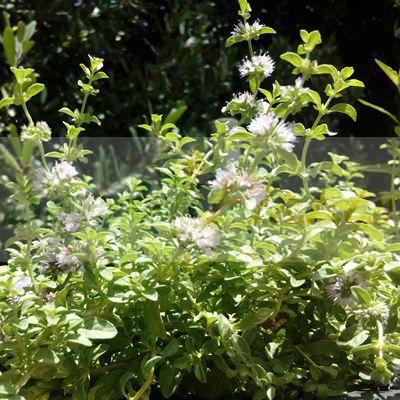
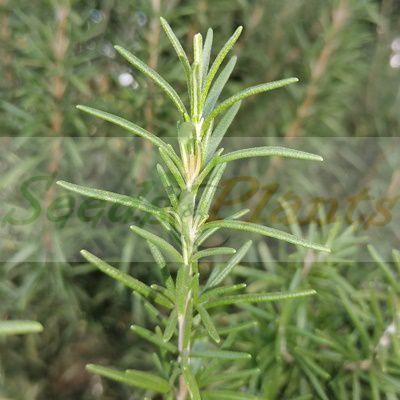
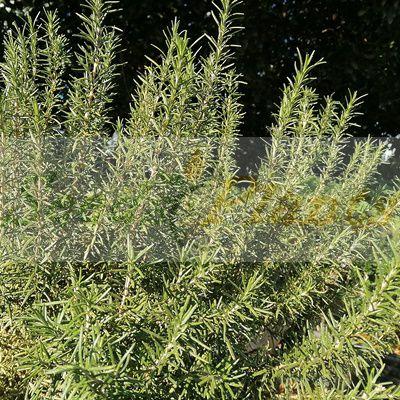
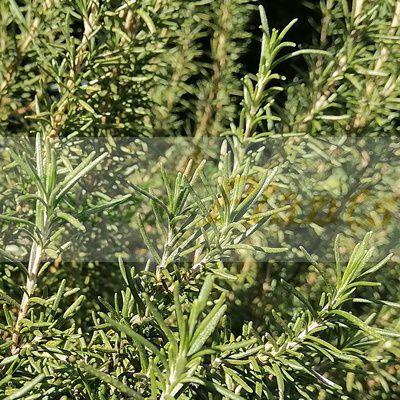
Rosemary (Rosmarinus officinalis) is an aromatic perennial bushy shrub with branches that are full of green needle-like leaves. It is a well known culinary herb and medicinal plant and it is also used in cosmetics. Rosemary has significant antimicrobial, anti-inflammatory, anti-oxidant, anti-apoptotic, anti-tumorigenic, antinociceptive, and neuron-protective properties.
Each pellet includes 10 to 15 seeds of Rosmarinus officinalis.
Rosemary Culinary Uses
- Meats & Savory Dishes: Excellent for flavoring roasted meats (especially lamb, chicken, and pork), fish, stews, soups, and casseroles.
- Vegetables & Sides: Complements potatoes, mushrooms, tomatoes, and Mediterranean vegetable dishes.
- Baking & Infusions: Used in breads (focaccia), crackers, and biscuits. It is commonly infused into olive oil, vinegar, butter, or wine.
- Beverages: Used in making herbal teas and sometimes in cocktails.
- Blend Inclusion: A key component in herbes de Provence and bouquet garni.
Edible Parts
- Leaves: The primary edible part, used fresh or dried. Tender new leaves are best for consuming directly, while tougher, older leaves are better for infusing flavor and removing before serving.
- Flowers: The small white, pink, or purple/blue flowers are edible, having a slightly milder, sweeter taste than the leaves, often used as a garnish.
- Stems: While woody, tender, young green stems can be chopped. Older, woody stems are often used as skewers for grilling kebabs, imparting flavor to meat.
Other Uses
- Medicinal: Known for antioxidant, anti-inflammatory, and antimicrobial properties. It is used for digestive aid (dyspepsia), improving memory and concentration, relieving muscle/joint pain, and promoting blood circulation.
- Cosmetics & Hair Care: Used in shampoos, lotions, and soaps, particularly for stimulating hair growth (treating alopecia) and as a natural preservative (E392) in cosmetic formulations.
- Aromatherapy: The essential oil is used to increase mental alertness, reduce stress, and improve mood.
- Gardening & Household: Used as an ornamental, drought-tolerant, evergreen, and aromatic hedging plant. It also acts as a natural pest repellent in gardens.
Growing Rosemary
Indoor Sowing: Winter.
Direct Sowing: Winter.
- Start the seeds 8-10 weeks before the average last frost date.
- Plant 1 seed pellet per cell or per pot.
- Since the seeds are pelleted, it performs best when given consistent, moderate soil moisture throughout the germination period.
- Do not allow the soil to dry out during the germination process.
Related products