Ashwagandha – 20 Seeds
(Withania somnifera)
R30.00
This is an important plant in the traditional medicine of Africa and Asia and is perhaps the best known of all the plants used in Ayurvedic medicine.
Common names: Indian winter cherry; Indian Ginseng, bitterappelliefie, geneesblaarbossie, koorshout (Afr.); bofepha (Sotho); ubuvuma (Xhosa); ubuvimbha (Zulu); ashwagandha (Hindi).
Seed Type: Organic – Harvested from our own plants.
Indoor Sowing: Not Recommended.
Direct Sowing: Spring.
In stock
🌿 Herbal Quick Facts
Medicinal Info
- 🌿 Medicinal Part: Flower, Leaf, Root, Stem
- 🥣 Herbal Preparation: Decoction, Essential Oil, Infusion / Tea, Ointments/Creams
- ⚕️ Healing System: African Traditional Medicine, Ayurvedic System of Medicine, Siddha System of Medicine, Unani System of Medicine
Growth Traits
- 🌱 Life Cycle: Perennial
- 🦋 Pollinator Method: Attracts Bees, Attracts Butterflies, Attracts Hoverflies
- 🪴 Growth Habit: Bushy
- 🌸 Flower Color: Pale Green
Growing Requirements
- 🌞 Sun Exposure: Full Sun
- 💧 Water Needs: Avoid Overwatering, Moderate Water, Water Deeply
- ☀️ Growing Conditions: Drought Tolerant
- 🟤 Soil Preference: Loam, Poor Soil Tolerant, Sandy, Well-Drained
Ashwagandha Seeds. Withania somnifera, known commonly as ashwagandha, Indian ginseng, poison gooseberry, or winter cherry is a plant in the Solanaceae or nightshade family.
Common names: winter cherry (Eng.); bitterappelliefie, geneesblaarbossie, koorshout (Afr.); bofepha (Sotho); ubuvuma (Xhosa); ubuvimbha (Zulu); ashwagandha (Hindi).
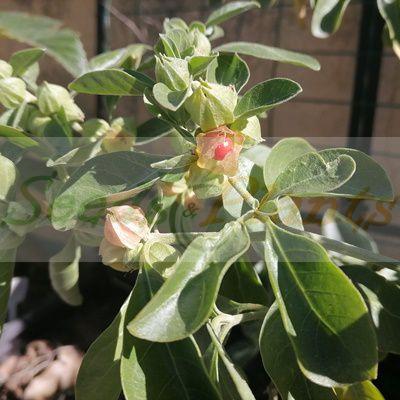
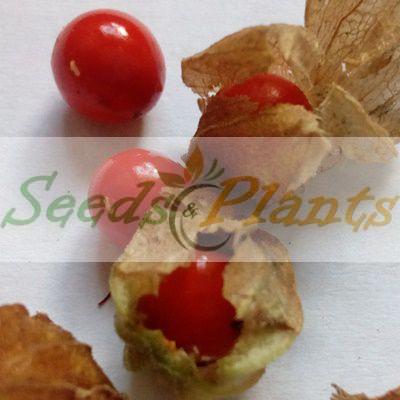
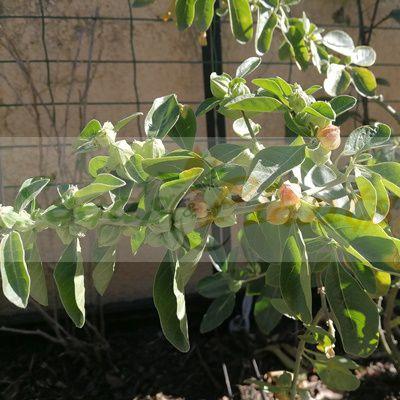
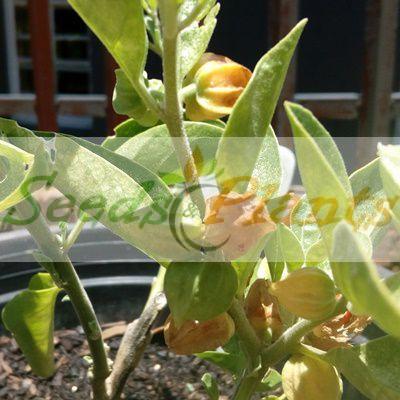
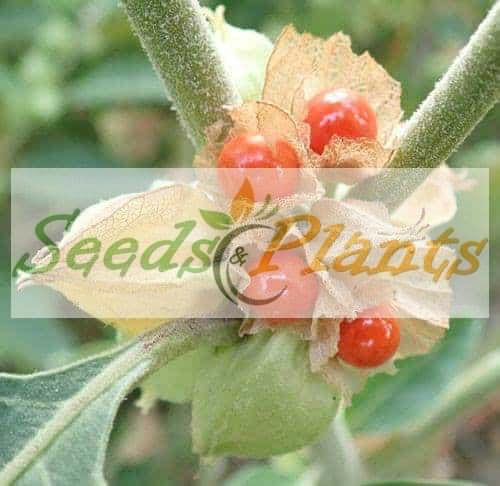
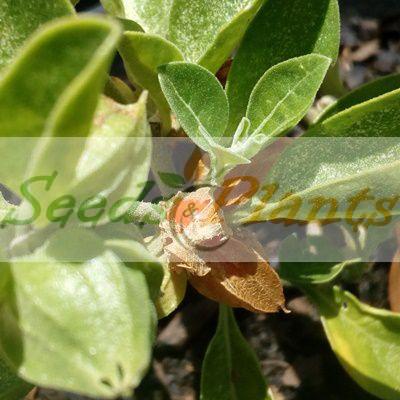
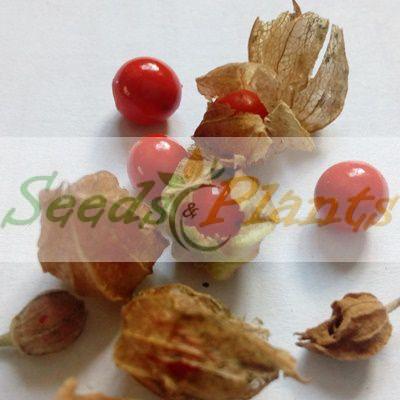
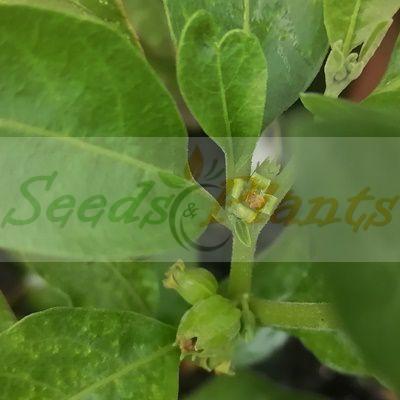
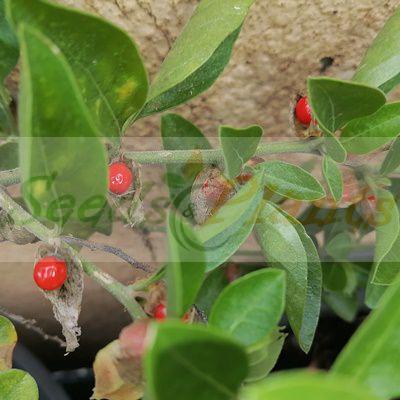
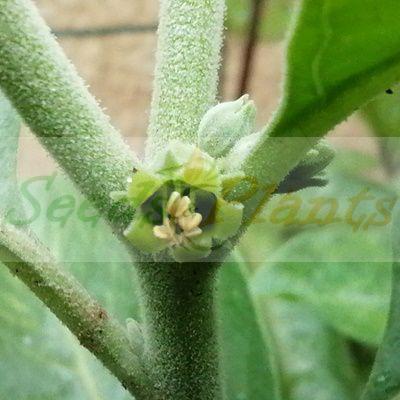
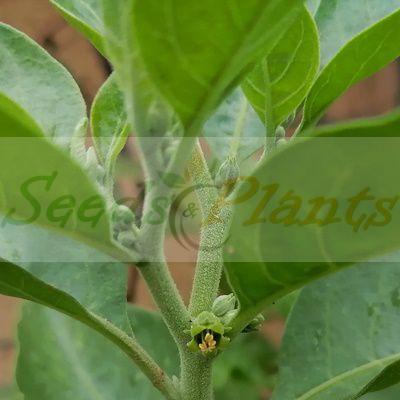
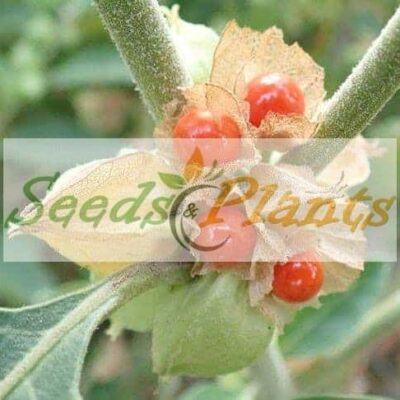
Withania somnifera is a small shrub to 2 m high and to 1 m across. Almost the whole plant is covered with short, fine, silver-grey, branched hairs. The stems are brownish and prostrate to erect, sometimes leafless below. Withania somnifera can be recognised by the red fruit covered by the brownish, papery, inflated calyx.
Ashwagandha Medicinal Benefits
Withania somnifera contains more than 80 chemical compounds, mainly alkaloids and steroids (withanolides). Numerous studies have been published on the activities of these compounds, mostly obtained from the leaves and roots. These studies have demonstrated antibiotic, anti-inflammatory, cytotoxic, anti-tumour and cholesterol-lowering activities.
This is an important plant in the traditional medicine of Africa and Asia. Ashwagandha is perhaps the best known of all the plants used in Ayurvedic medicine. It has narcotic, sedative and diuretic properties and counteracts the symptoms of stress. It is widely referred to as ‘Indian ginseng’, and like the real ginseng from Chinese medicine (Panax ginseng), it is used as a general tonic and considered to be effective against a large number of ailments. In traditional medicine in southern Africa the leaves are used to heal open as well as septic, inflamed wounds, abscesses, inflammation, haemorrhoids, rheumatism and syphilis; a paste of leaves is applied or ointments are made with fat or oil. For internal use the dried roots are taken in the form of a decoction, infusion or tincture.
Growing Ashwagandha
Indoor Sowing: Not Recommended.
Direct Sowing: Spring.
- Plant ashwagandha seeds in a sunny location of your garden. Can be grown in containers as well.
- It is a drought tolerant plant. It grows well in sandy, well draining soil, once established and doesn’t like wet feet.
- Seeds should be direct sown in Spring in a mixture of sand and compost when temperature is around 20 C.
- Seeds should be spaced at least 10 cm apart.
- Place the seeds on top of the soil and then cover the seeds with a very thin layer of soil.
- Water well and keep moist, but not soaking wet.
- Germination can take a month or more.
- After germination water the seedlings well while they are establishing.
- Thin out the weak plants after a month of growing, leaving the space around 30 cm between plants if possible.
Related products