Nasturtium Jewel Choice – 5 Seeds
(Tropaeolum majus)
R30.00
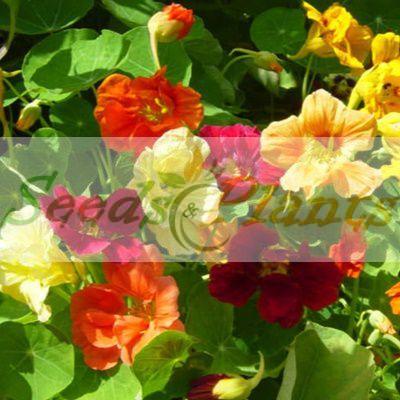
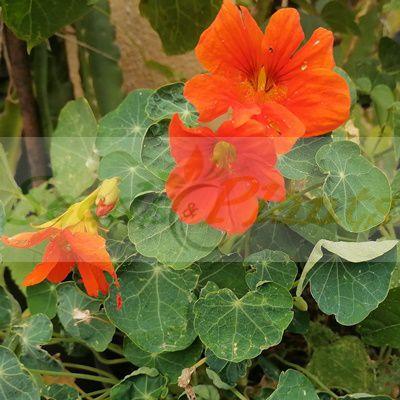
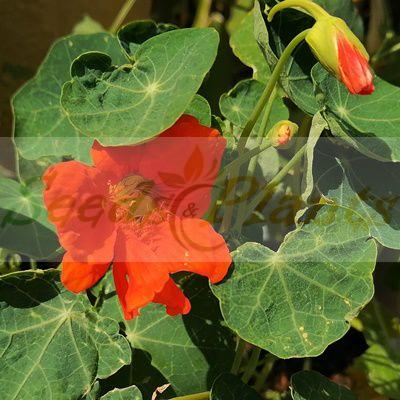
This compact non-trailing Nasturtium Jewel Choice, is well known for its upward facing blooms in clear bright colors. All parts of the plant are edible and the plant also has medicinal uses.
Common Names: Garden nasturtium and Indian cress.
Indoor Sowing: Not Recommended.
Direct Sowing: Spring and Summer.
Only 1 left in stock
🌼 Flower Quick Facts
Flower Info
- 🌸 Flower Color: Cherry Rose, Gold, Mahogany Red, Orange, Red, Ruby Red, Yellow
- 🦋 Pollinator Method: Attracts Bees, Attracts Butterflies, Attracts Fireflies, Attracts Hoverflies, Attracts Moths, Self-pollinating
- 🔁 Pollination Needs: Needs Only 1 Plant
Medicinal Info
- 🌿 Medicinal Part: Flower, Leaf, Pods
- 🥣 Herbal Preparation: Extract / Tincture, Infusion / Tea, Juice
- ⚕️ Healing System: American Traditional Medicine, European Traditional Medicine, South American Traditional Medicine
Culinary Info
- 🍽️ Culinary Use: Caper Substitute, Chive Substitute, Egg Dishes, Garnish, Oils / Vinegars, Pickling, Salads, Stir-frying, Wrapping
- 🥗 Edible Part: Flower, Leaf, Seed Pods, Stem
- 😋 Flavor Profile: Peppery
Growth Traits
- 🌱 Life Cycle: Annual
- 🌾 Plant Type: Herbaceous Annual
- 🪴 Growth Habit: Compact, Low-Growing
Growing Requirements
- 🌞 Sun Exposure: Full Sun, Partial Shade
- 💧 Water Needs: Avoid Overwatering, Moderate Water
- ☀️ Growing Conditions: Drought Tolerant, Frost Sensitive
- 🟤 Soil Preference: Moderately Fertile, Poor
Nasturtium Jewel Choice (Tropaeolum majus) are easily grown annuals that add a touch of color to the flower garden or patio container.
Nasturtiums were one of the first New World plants to become popular in European flower gardens. However, they weren’t introduced as a flower but as a vegetable. The Incas used it as a salad crop and medicinal herb.
Nasturtium is a fast-growing annual that today is usually offered in its compact, non-vining form, but its true character is that of a weak-climbing vine or sprawler. It has semi-succulent, peppery tasting leaves that are round with the petiole attached in the center of the leaf blade.
This compact non-trailing Nasturtium Jewel Choice, is well known for its upward facing blooms in clear bright colors.
All parts of the plant are edible. The flowers make a colorful addition to a leafy salad.
Medicinal Uses: Nasturtium is mostly known as an expectorant and disinfectant. Its antibacterial, anti-fungicide and antibiotic properties make it an amazing plant to help relieve infections, both internally as externally, as in disinfecting wounds and cuts. Its high content of vitamin C together with other phytonutrients make it a good herb to treat scurvy.
Nasturtium clears out mucous conditions, which combined with its antibiotic properties allows it to be effectively used to treat bronchitis, respiratory infections and to relieve chest conditions in general.
It is also acclaimed for its healing work in ailments of the urinary tract and as purgative.
Growing Nasturtiums
Indoor Sowing: Not Recommended.
Direct Sowing: Spring and Summer.
- Nasturtiums do not transplant well, therefore indoor sowing is not recommended.
- They grow best in full sun or light shade in average soil.
- They can be direct sown in the garden.
- Soak seeds in water overnight.
- Then sow the seeds 8-15 cm apart and 1cm deep, in well-draining, moist soil.
- Keep soil moist until germination.
- Plants grow best in full sun or light shade in average soil.
- They combine well with other plants in mixed containers.
- Heavy feeding and too much water increases foliage growth at the expense of flowers.
Related products