

Morning Glory Milky Way – 20 Seeds
(Ipomoea nil ‘Milky Way’ )
R30.00
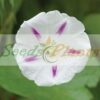
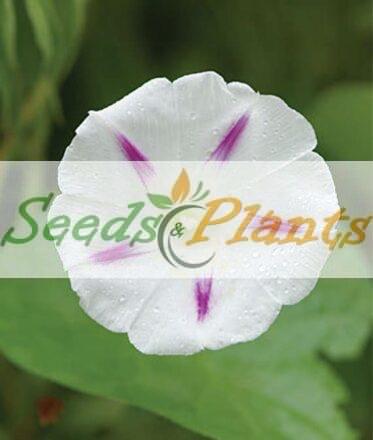
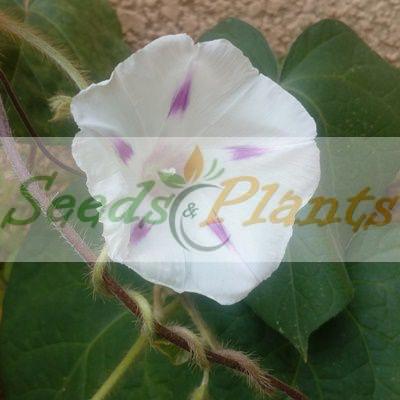
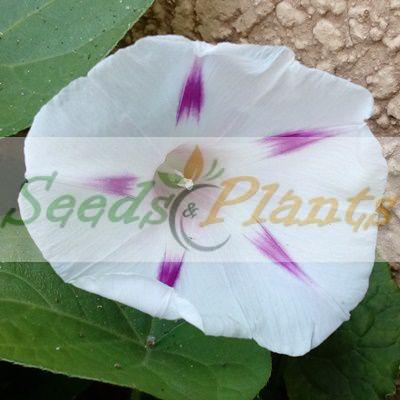
Morning Glory ‘Milky Way’ produces pure white flowers with a purple star.
Seed Origin: Harvested from our own plants.
Indoor Sowing: Not Recommended.
Direct Sowing: Spring.
In stock
🌼 Flower Quick Facts
Flower Info
- 🌸 Flower Color: Bicolor, Purple, White
- 🦋 Pollinator Method: Attracts Bees, Attracts Butterflies, Attracts Hummingbirds, Attracts Moths
Growth Traits
- 🌱 Life Cycle: Annual
- 🪴 Growth Habit: Vining
Growing Requirements
- 🌞 Sun Exposure: Full Sun
- 💧 Water Needs: Moderate Water, Water Deeply
- ☀️ Growing Conditions: Warm Temperatures
- 🟤 Soil Preference: Clay, Dry, Loam, Moderately Fertile, Sandy
Morning Glory ‘Milky Way’ (Ipomoea nil ‘Milky Way’ ) produces pure white flowers with a purple star.
A herbaceous twining annual with hairy stems up to 3m or more. Bright green, sparsely hairy, heart-shaped leaves. Purplish-blue, reddish, magenta or white funnel-shaped flowers, sometimes with contrasting stripes from November to May. This creeper invades woodlands, waste areas, arable land, roadsides, river banks and coastal dunes.
Flowers mainly during November-May, but throughout the year in tropical climates. Fruit/Seeds: Produces small capsules.
Seeds on offer is for the milky way color morning glory variety, as shown in the pictures.
Growing Morning Glory Milky Way
Indoor Sowing: Not Recommended.
Direct Sowing: Spring.
- Since morning glory plants do not like to be transplanted, it is recommended to direct sow the seeds.
- Plant after any threat of frost and once the ground has warmed up.
- Pick a site that gets plenty of sun. They will tolerate some very light shade, but bloom their best in full sun.
- Nick the seeds with a nail file or sandpaper and soak seeds in warm water the night before sowing. The seeds will take up water quickly and germinate faster in the ground.
- Sow the seeds seeds 20 – 25cm apart and only a few cm from a place where your morning glory vines can climb.
- In a container, erect a trellis or grow them near a railing so they can be supported.
- Cover lightly with soil and water thoroughly.
- Keep the soil moist until germination.
- Keep young seedlings well watered.
- Although morning glories grow best on fertile soil, don’t over fertilize your plants or you’ll get mostly leaves, fewer flowers and they will bloom later in the season.
Related products



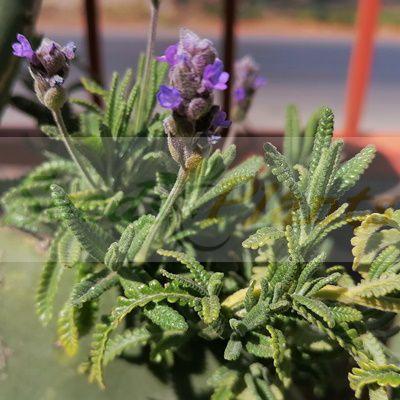
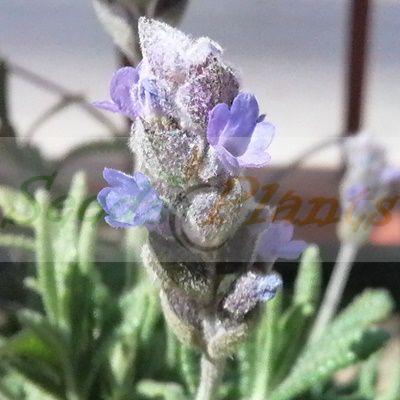
Royal Crown French Lavender – 50 Seeds
(Lavandula Dentata var. Royal Crown)