


Black-Eyed Susan Vine – 20 Seeds
(Thunbergia alata)
R30.00
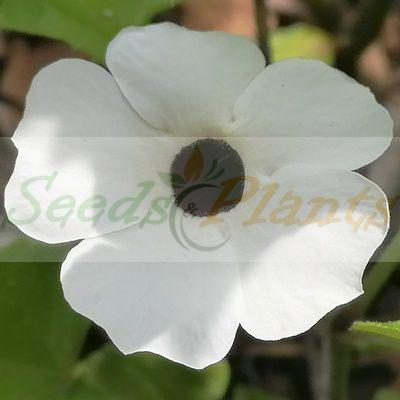
Black-Eyed Susan Vine produces a mixture of colors in shades of yellow, white, and orange, each bloom is centered with a black ‘eye’. It starts blooming in Summer, with flowering up to Early Winter.
Common Names: black-eyed susan (Eng.); swartoognooi (Afr.) ; isiPhondo (Zulu).
Seed Type: Organic – Harvested from our own plants.
Indoor Sowing: Late Winter and Early Spring.
Direct Sowing: Spring.
Only 2 left in stock
🌼 Flower Quick Facts
Flower Info
- 🌸 Flower Color: Mixed Colors, Orange, White, Yellow
- 🦋 Pollinator Method: Attracts Bees, Attracts Beetles, Attracts Butterflies, Attracts Moths
Growth Traits
- 🌱 Life Cycle: Annual
- 🌾 Plant Type: Herbaceous Vine
- 🪴 Growth Habit: Climber, Fast Growing
Growing Requirements
- 🌞 Sun Exposure: Full Sun, Partial Shade
- 💧 Water Needs: Avoid Overwatering, Regular Water
- ☀️ Growing Conditions: Frost Sensitive, Heat Tolerant, Moderately Drought Tolerant, Not Heat Tolerant
- 🟤 Soil Preference: Fertile, Moist, Tolerant of most soils, Well-Drained
Belonging to the Thunbergia genus, Black-eyed susan vine has a botanical name of Thunbergia alata. The botanical name epithet alata means ‘winged’.
Common names: black-eyed susan (Eng.); swartoognooi (Afr.) ; isiPhondo (Zulu)
A mixture of colors in shades of yellow, white, and orange, each bloom is centered with a black ‘eye’ and prominently displayed against emerald green ivy-like foliage. Perfect for trellises and hanging baskets, the vine grows 8-10 feet in full to part sun and moist, well drained soil. It is a fast-growing, long-flowering, friendly creeper.
It is not fussy about soil, needs only moderate water, doesn’t go rampant, is mostly evergreen and covers ugly places beautifully. It is a soft, perennial climber about 1-5 × 1 m with many twining stems. Flowers all summer, and is mostly grown as an annual in South Africa, as it is not cold and frost tolerant. It self seeds readily.
Try planting Black-eyed susan vine if you’d like to attract butterflies, bees and birds to your garden. Due to how easy it is to grow in a variety of conditions, Black-eyed Susan vine is great for beginner gardeners and those that like low maintenance gardens.
Growing Black-eyed Susan Vine
Indoor Sowing: Late Winter and Early Spring.
Direct Sowing: Spring.
- Start seed indoors, about 6 to 8 weeks before your last frost date, or sow directly outdoors after all danger of frost is over.
- These vines do not transplant well as they don’t like having their roots disturbed, so if you are planning to start the seeds indoors, then it is best to start the seed in peat pots. Transplant seedlings outside once big enough.
- Soak the seeds in water for a day or two before planting.
- Seeds should be planted in moist humus-rich soil, mixed with river sand.
- Surface show the seeds and cover with a layer of the soil mixture.
- Keep soil moist, but not soaking wet.
- Germination can take 4 weeks or longer and usually occurs in Late Spring and Early Summer.
Related products