Cossack Pineapple Ground Cherry – 50 Seeds
(Physalis pubescens)
R30.00
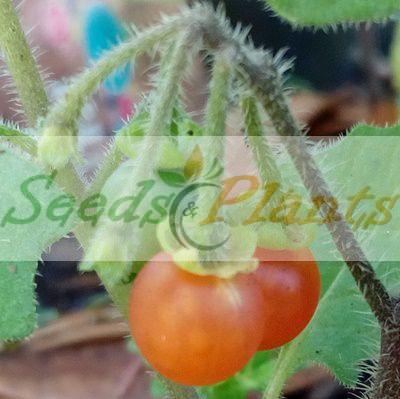
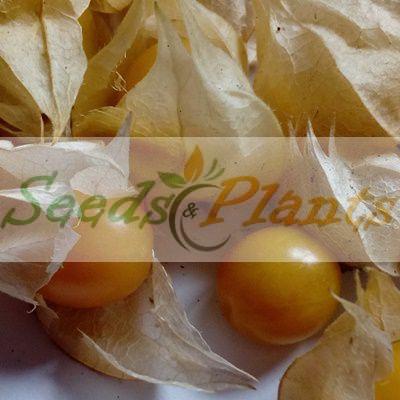
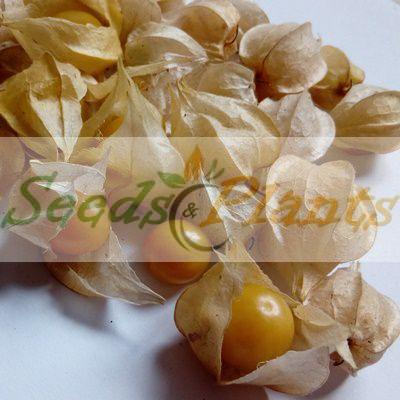
Annual plants reaching a height of about 30-60 cm. It’s a close relative of Cape gooseberry, producing cherry-tomato sized fruits that have a pineapple-vanilla-tomato flavor.
Seed Type: Organic – Harvested from our own plants.
Indoor Sowing: Late Winter.
Direct Sowing: Spring.
In stock
🍒 Fruit Quick Facts
Fruit Info
- 🍽️ Culinary Use: Chutneys, Cooked / Baked / Dried fruit, Jams and Jellies, Juices and Syrups, Raw Eating
- 🥗 Edible Part: Fruit
- 😋 Flavor Profile: Pineapple-like, Sweet, Vanilla
Growth Traits
- 🌱 Life Cycle: Annual
- 🌾 Plant Type: Herbaceous Annual
- 🔁 Fruiting Needs: Needs Only 1 Plant
- 🪴 Growth Habit: Bushy, Low-Growing, Upright
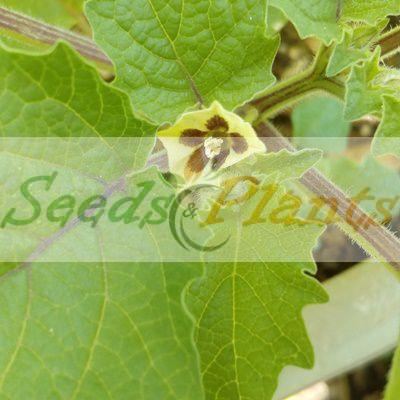
- 🌸 Flower Color: Bicolor, Brown, Pale yellow
- 📏 Mature Height: 30-60 cm
- 🦋 Pollinator Method: Attracts Bees, Self-pollinating
Growing Requirements
- 🌞 Sun Exposure: Full Sun, Partial Shade
- 💧 Water Needs: Avoid Overwatering, Moderate Water, Water Deeply
- ☀️ Growing Conditions: Frost Sensitive, Heat Tolerant, Moderate Cold Tolerance, Moderately Drought Tolerant
- 🟤 Soil Preference: Tolerant of most soils, Well-Drained
Cossack Pineapple Ground Cherry (Physalis pubescens) is an annual plant from Eastern Europe, distantly related to the Mexican tomatillo. This particular variety was brought to the National Germplasm collection from Poland and was further selected, named and introduced to US gardeners by seed saver and breeder Will Bonsall.
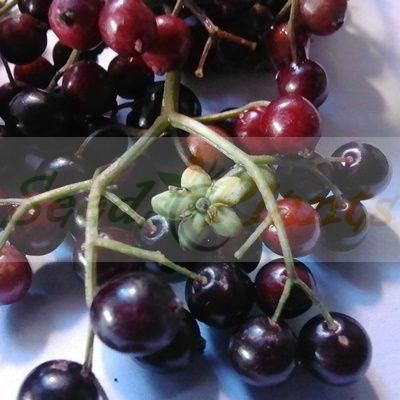
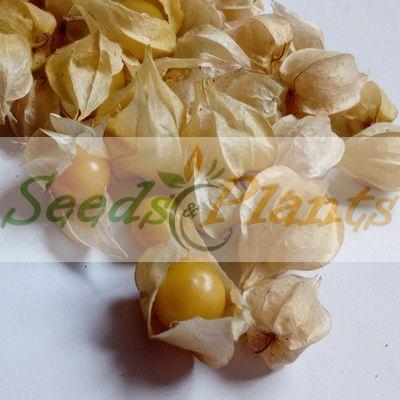
The taste of the fruit is different to that of Cape gooseberry. The ripe ground cherry tastes more like pineapple with hints of cherry tomato and vanilla. Their sweet flavor is what earns them the nicknames “strawberry tomato” and “Cossack pineapple.”
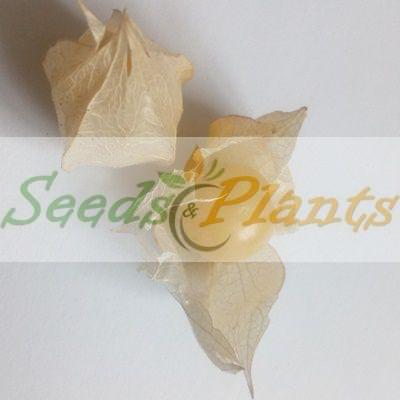
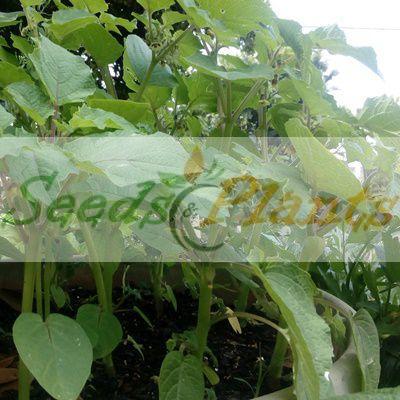
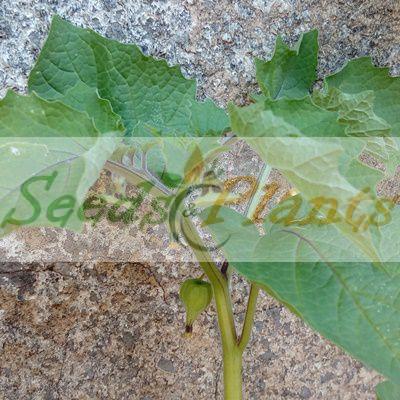
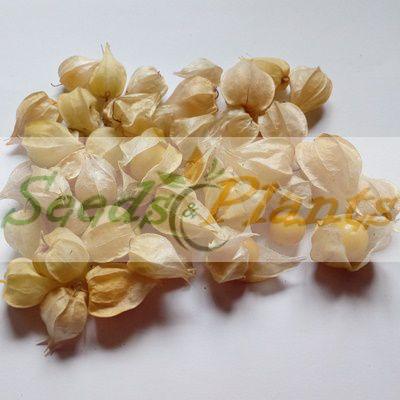
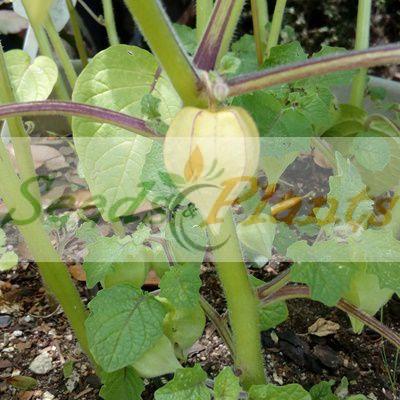
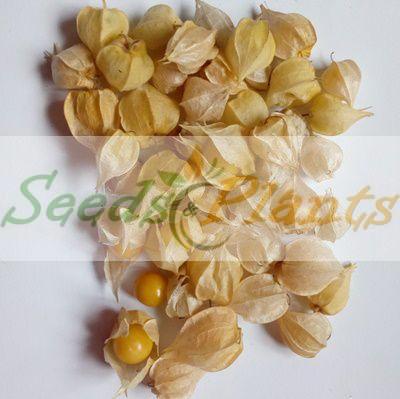
This is a fun and easy crop to grow, with the low, bushy, spreading plants reaching a height of about 30-60 cm. The plant is vigorous producer of marble-sized yellow berries (the size of cape gooseberries) in a husk from midsummer until well into autumn. The fruits drop from the plants when they are ripe, hence the name ground cherry. They are firm fruits, even when ripe, with very small seeds.
Pineapple Ground Cherry Culinary Uses
- Can be eaten raw, used in salads, desserts, as a flavoring, in jams and jellies.
- Fruits can be dipped in chocolate, added to preserves, uses in hot dessert toppings or mock pineapple yogurt.
- When dried in sugar, the fruit is excellent in fruit cakes, some cooks preferring them to raisins or figs.
Growing Cossack Pineapple Ground Cherry
Indoor Sowing: Late Winter.
Direct Sowing: Spring.
- Start the Seeds indoors 6 – 8 weeks before the end of frost season or direct sow in Spring.
- Best planted at soil temperatures between 10°C and 25°C.
- Fill the seed tray with moist seedling growing medium. Press down firmly and level.
- Scatter seeds evenly over the surface.
- Cover the seeds with a fine layer of soil (no more than 5mm deep). Alternatively, use vermiculite as a covering.
- Press or firm down once again to keep the seeds in place.
- Water well and keep the tray in a warm, sheltered position for germination to take place.
- Transplant seedlings, when they are about 10cm tall, into well prepared garden beds.
- A steady supply of moisture will result in the highest quality fruits, so water regularly if there has been no rain.
- The plants are frost tender and is grown as an annual in most climates.
- Once transplanted into the garden, expect the harvest to begin in 70 to 75 days.
- For fruit production to occur, you need have at least two plants, planted close to each other.
Related products