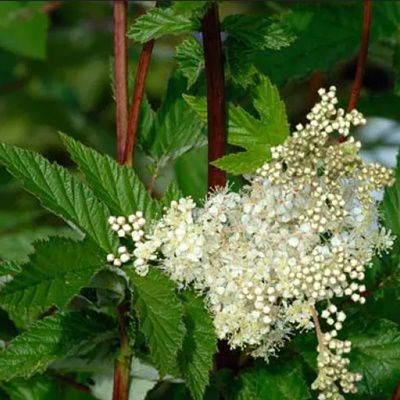



German Chamomile – Approx 100 Seeds
(Matricaria chamomilla)
R30.00
It is most often prepared as an infusion of chamomile tea, and the flowers are widely used in hair and skin care recipes.
Common Names: Sweet False Chamomile, Wild Chamomile, German chamomile, Hungarian chamomile, Blue chamomile and Scented mayweed.
Indoor Sowing: Late winter and Early Spring.
Direct Sowing: Late Spring and Early Summer.
In stock
🌿 Herbal Quick Facts
Uses
- ⓘ Plant Use: Culinary, Dynamic Accumulator, Medicinal
Medicinal Info
- 🌿 Medicinal Part: Flower
- 🥣 Herbal Preparation: Essential Oil, Extract / Tincture, Infusion / Tea, Inhalation, Ointments/Creams, Powder
- ⚕️ Healing System: European Traditional Medicine, Unani System of Medicine
Culinary Info
- 🍽️ Culinary Use: Beverages/Teas, Desserts, Flavoring, Garnish, Seasoning
- 🥗 Edible Part: Flower, Leaf, Sprigs
- 😋 Flavor Profile: Apple-like, Grassy, Sweet
Growth Traits
- 🌱 Life Cycle: Annual
- 🌾 Plant Type: Herbaceous Annual
- 🦋 Pollinator Method: Attracts Bees, Attracts Butterflies, Attracts Hoverflies, Attracts Ladybirds, Attracts Wasps
- 🪴 Growth Habit: Bushy, Fast Growing, Upright
- 🌸 Flower Color: White
Growing Requirements
- 🌞 Sun Exposure: Full Sun, Partial Shade
- 💧 Water Needs: Avoid Overwatering, Moderate Water
- ☀️ Growing Conditions: Cold Tolerant, Drought Tolerant, Moderate Heat Tolerance
- 🟤 Soil Preference: Chalky, Loam, Loose, Sandy, Well-Drained
German Chamomile (Matricaria chamomilla / Matricaria recutita) is an annual herb, and it grows in a bushy shrub up to 3 feet tall. It should not be confused with Roman Chamomile, which is perennial.
Garden and Soil Benefits:
- Dynamic Accumulator: Chamomile accumulates calcium, potassium and sulfur from the soil.
German Chamomile Uses
- In foods and beverages, it is used as flavoring.
- In manufacturing, it is used in cosmetics, soaps, and mouthwashes.
German Chamomile Medicinal Benefits
Historically, it has been used to treat many conditions, including:
- Chest colds
- Sore throats
- Abscesses
- Gum inflammation (gingivitis)
- Anxiety
- Insomnia
- Psoriasis
- Acne
- Eczema
- Minor first-degree burns
- Inflammatory bowel disease (ulcerative colitis)
- Stomach ulcers
- Children’s conditions such as chickenpox, diaper rash, and colic
Growing German Chamomile
Indoor Sowing: Late winter and Early Spring.
Direct Sowing: Late Spring and Early Summer.
- Sow Chamomile Seeds in late spring or early summer to avoid frost.
- Sprinkle the seeds across the top of the soil and cover very lightly with soil.
- The seeds need light to germinate.
- Water thoroughly until the soil is moist.
- Seeds need plenty of water to germinate, so mist the area daily.
- You need to be patient with chamomile because it takes 14-21 days to germinate.
- Like Roman chamomile, it prefers not too rich, organic soil.
- It does best with neutral pH (between 5.6 and 7.5).
- Regular water will keep the plants in bloom longer, but chamomile plants are very drought tolerant, once established.
- In extremely hot climates, chamomile will appreciate being kept watered and getting some afternoon shade.
Related products