Ponytail Palm – 5 Seeds
(Beaucarnea recurvata)
R30.00
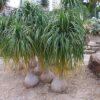
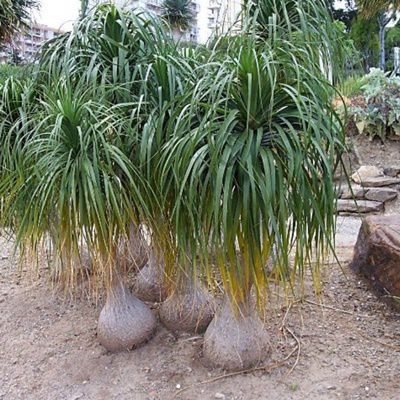
The Ponytail Palm, despite its common name, is not a true palm. It is an evergreen succulent tree with a bulbous, water-storing trunk base and long, strap-shaped, recurved leathery leaves.
Common Names: Elephant Foot, Ponytail Palm & Tree Bottle Palm
Indoor Sowing: Early Spring & Mid Spring.
Direct Sowing: Not Recommended.
In stock
🌵 Plant Quick Facts
Plant Info
- 🌸 Flower Color: Pinkish White, White
Growth Traits
- 🌱 Life Cycle: Perennial
- 🌾 Plant Type: Succulent Tree
- 🪴 Growth Habit: Upright
Growing Requirements
- 🌞 Sun Exposure: Full Sun, Partial Shade
- 💧 Water Needs: Avoid Overwatering, Low Water
- ☀️ Growing Conditions: Drought Tolerant, Frost Sensitive, Heat Tolerant, Low Cold Tolerance
- 🟤 Soil Preference: Cactus Soil Mix, pH 6.0–7.5, Succulent Soil Mix, Well-Drained
The Ponytail Palm (Beaucarnea recurvata), despite its common name, is not a true palm. It is an evergreen succulent tree from the Asparagaceae family native to eastern Mexico. It features a bulbous, water-storing trunk base and long, strap-shaped, recurved leathery leaves. Large, showy panicles of small white or pinkish flowers appear only on mature outdoor plants over 10 years of age. It can grow up to 9m if planted outdoors, but stays much smaller in containers.
Common Names: Elephant Foot, Ponytail Palm & Tree Bottle Palm
Growing Ponytail Palm
Indoor Sowing: Early Spring & Mid Spring.
Direct Sowing: Not Recommended.
- Seeds can be sown indoors in early spring or mid spring, when temperatures reach at least 20°C.
- Avoid direct sowing in open garden beds in temperate areas. Young seedlings rot easily and cannot handle temperature drops below 10°C.
- Soak the seeds in warm water overnight to soften the hard outer shell.
- Use a fast-draining cactus and succulent mix blended with sharp sand or perlite.
- Press seeds lightly into the surface of the damp soil, no more than 0.6cm and then cover them with a very thin dusting of sand or grit.
- Keep the container warm (around 21°C – 24°C) and lightly moist using a plastic wrap tent or propagation dome to retain humidity.
- Germination in about 30 days, but may take longer.
- Remove the cover once sprouts appear and place them in a bright, sunny indoor spot.
- Keep young plants in containers indoors for at least their first one to two years, before transplanting outside.
Related products