Asparagus Mary Washington – 20 Seeds
(Asparagus officinalis ‘Mary Washington’)
R30.00
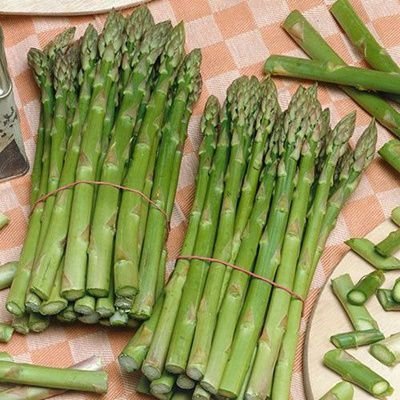
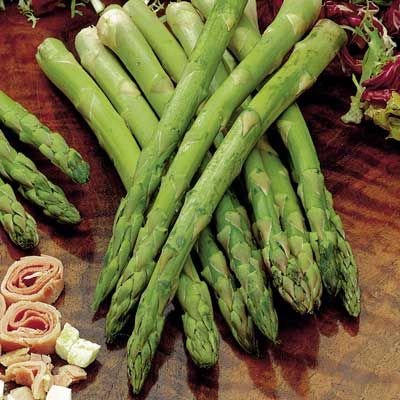
Thick, juicy spears with purple/green tip and resistance to rust, which commonly plagues asparagus plants.
Indoor Sowing: Late Winter and Early Spring.
Direct Sowing: Spring.
Out of Stock
Email me when the product is back in stock.
🥕 Vegetable Quick Facts
Vegetable Info
- 🥬 Vegetable Type: Stalk/Stem
- 🍽️ Culinary Use: Baked/Roasted, Boiled / Steamed, Soups, Stir-frying
- 🥗 Edible Part: Spear
- 😋 Flavor Profile: Earthy, Slightly Grassy, Sweet
Growth Traits
- 🌱 Life Cycle: Perennial
- 🪴 Growth Habit: Upright
Growing Requirements
- 🌞 Sun Exposure: Full Sun
- 💧 Water Needs: High Water
- ☀️ Growing Conditions: Cold Tolerant, Drought Tolerant, Frost Tolerant, Moderate Heat Tolerance
- 🟤 Soil Preference: Deep, Loose, pH 6.0 - 7.0, Sandy loam, Well-Drained
Asparagus Mary Washington.The Mary Washington (Asparagus officinalis) variety of asparagus is one of the most commonly grown thanks to its thick, juicy spears and resistance to rust, which commonly plagues asparagus plants.
It is a perennial vegetable growing to 150cm. Long, straight, green spears with purple/green tip. Mary Washington have male and female flowers on separate plants. Male flowers are larger and longer than female. Males plants do not have to expend energy in producing flowers and fruit and typically produce better crop yields. Plants eventually grow into towering ferns in the summer and then die off after frost and are dormant during the winter. Female plants produce red berries in late summer that will drop in autumn. The fine fern like foliage makes it a natural for edible landscaping.
This perennial vegetable is harvested in spring, producing a high yield of tender spears from a rhizome crown. Outstanding flavor. Can be used raw or cooked. Considered a gourmet food.
Culinary Uses
Preparation: Consumed fresh, typically steamed, boiled, sautéed, stir-fried, or roasted.
Processing: Highly perishable, so it must be consumed quickly or preserved (frozen/canned). Often used as an appetizer or side dish, but also featured in soups, risottos, and stir-fries.
Growing Mary Washington Asparagus
Indoor Sowing: Late Winter and Early Spring.
Direct Sowing: Spring.
- Prefers loose, deep soils high in organic matter.
- Prefers pH near 7.0, but tolerates a wide range. Add lime and fertilizer to the garden bed before establishment.
- Can be grown in full sun to partial afternoon shade
- Fill a seed flat with sterile potting soil and sow the seeds 1cm deep and 5-7cm apart in the flat.
- Water the potting soil to keep it moist and place the seed flat in a sunny location.
- Transplant seedlings outdoors as soon as the soil can be worked.
- Water during dry spells during the first year. Do not over-water as plants don’t tolerate water-logged soils.
- Midsummer mulching will help to control weeds and keep soil from drying out.
- Regularly apply compost or well-rotted manure to provide a steady source of nutrients.
- Keep the planting bed around asparagus free of weeds and clean up all plant debris in autumn.
- Do not cut back ferns in Autumn until they die naturally.
Related products