Ashley Cucumber – 20 Seeds
(Cucumis sativus)
R30.00
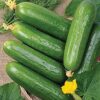
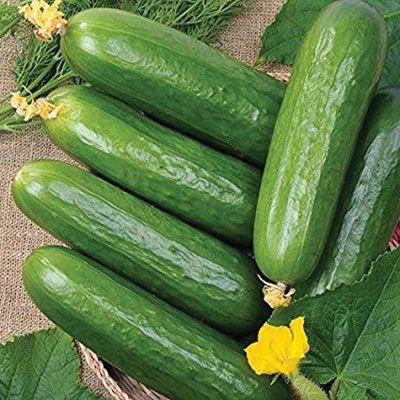
This Cucumber plant does well in hot, humid weather and is resistant to downy mildew. Vines are very productive and dark-green dark green, cylindrical fruits grow up to 19cm long
Indoor Sowing: Late Winter and Early Spring.
Direct Sowing: Spring and Early Summer.
In stock
🥕 Vegetable Quick Facts
Vegetable Info
- 🥬 Vegetable Type: Fruiting Vegetable
- 🍽️ Culinary Use: Pickling, Raw Eating, Salads, Soups, Stir-frying
- 🥗 Edible Part: Flesh, Leaf, Seed, Skin, Stem
- 😋 Flavor Profile: Mildly Sweet
Growth Traits
- 🌱 Life Cycle: Annual
- 🌾 Plant Type: Annual Vine
- 🪴 Growth Habit: Vining
Growing Requirements
- 🌞 Sun Exposure: Full Sun, Partial Shade
- 💧 Water Needs: Regular Water
- ☀️ Growing Conditions: Frost Sensitive, Heat Tolerant, Not Cold Tolerant, Not Drought Tolerant
- 🟤 Soil Preference: Loose, pH 6.0 - 6.8, Rich Organic, Sandy, Silty loam, Well-Drained
Ashley Cucumber Seeds. Ashley Cucumber (Cucumis sativus ‘Ashley’) plants do well in hot, humid weather and are resistant to downy mildew. Vines are very productive and dark-green dark green, cylindrical fruits grow up to 19cm long. Ashley cucumbers are terrific for slicing.
Developed in 1956 by Clemson University’s South Carolina Truck Experiment Station for the southern fresh produce market, this vigorous heirloom, widely adaptable on medium length vines, is an early maturing slicer with a high yield.
Culinary Uses
- Raw Applications: Commonly eaten fresh in salads, sliced for sandwiches, or used as a crunchy, low-calorie snack with dips like hummus.
- Salads and Sides: A staple in Greek salads (with feta and tomatoes) and Asian dishes, such as Chinese smashed cucumber salad with sesame and chili.
- Pickling: Small, knobby varieties are frequently pickled in vinegar, brine, or spices.
- Beverages and Soups: Blended into green smoothies, juiced, or used in refreshing spa waters and cocktails (e.g., gin and tonic).
- Hot Dishes: While usually raw, firmer varieties can be sautéed, stir-fried, or roasted.
Edible Parts
- Flesh (Mesocarp/Endocarp): The primary, juicy, and crunchy, edible part.
- Skin: Generally edible, often left on for color and texture, though it can sometimes be bitter.
- Seeds: Small, soft, and completely edible.
- Leaves/Stems: While not common in Western cuisine, young leaves and stems are sometimes cooked as a potherb in Southeast Asian cooking.
Growing Ashley Cucumber
Indoor Sowing: Late Winter and Early Spring.
Direct Sowing: Spring and Early Summer.
- Cucumbers need very warm soil to germinate. Optimal soil temperature for germination (and transplanting): 15-30°C
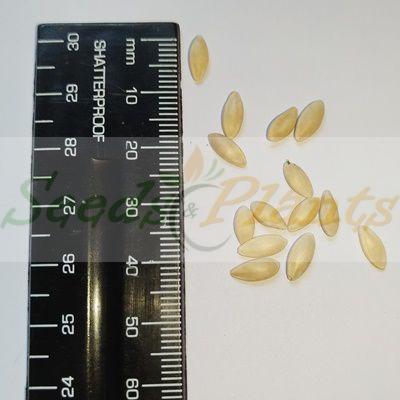
- Direct Sow 3-4 seeds 2cm deep in each spot you want a plant to grow.
- Thin to the strongest seedling.
- Space plants 23cm apart in rows 90cm apart.
- Or start transplants indoors in individual peat or coir pots 3-4 weeks before transplanting out into warm soil. If starting indoors, use bottom heat.
- Transplant when the plants develop their third true leaf. If the plants are too big, they may experience transplant shock.
- Choose a warm, well-drained soil. Raised beds work well. Add dolomite lime and compost or well-rotted manure to the bed and ½-1 cup of complete organic fertilizer mixed into the soil beneath each transplant.
- Cucumbers are vigorous and need lots of nutrition and water. Try to water the soil only, keeping the leaves as dry as possible.
- Almost all cucumbers benefit from being trained onto a trellis of some kind.
Related products