



Couve Tronchuda – 100 Seeds
(Portuguese Cabbage/Kale/Collard)
R30.00
It is also called Portuguese cabbage or Portuguese kale and is the key ingredient in Caldo Verde, a tasty Portuguese soup. The Portuguese word Couve, is used for cabbage as well as for both kale and collards.
Indoor Sowing: Late Winter and Early Spring.
Direct Sowing: Late Summer.
In stock
🥕 Vegetable Quick Facts
Vegetable Info
- 🥬 Vegetable Type: Leafy Green
- 🍽️ Culinary Use: Salads, Soups and Stews, Stir-frying, Stuffed
- 🥗 Edible Part: Leaf
- 😋 Flavor Profile: Mild, Sweet
Growth Traits
- 🌱 Life Cycle: Biennial (Grown as Annual)
- 🪴 Growth Habit: Upright
Growing Requirements
- 🌞 Sun Exposure: Full Sun, Shade
- 💧 Water Needs: Regular Water
- ☀️ Growing Conditions: Heat Tolerant, Low drought tolerance, Moderate Cold Tolerance, Moderate Frost Tolerance
- 🟤 Soil Preference: Fertile, Loam, pH 6.0 - 7.0, Rich Organic, Well-Drained
Couve Tronchuda is also called Portuguese cabbage or Portuguese kale. The Portuguese word Couve, is used for cabbage as well as for both kale and collards.
Unlike most cabbages, Couve Tronchuda doesn’t form heads and grows bulky, wide, spreading jade green leaves with fleshy white ribs, therefore it is considered as a leaf cabbage, collard or kale. It produces a short, stout stem with an open, non-heading rosette of large, flat leaves. You can harvest outer leaves continuously to extend the plant’s life.
It looks and tastes very much like collards. It is sweeter and milder in flavor than heading cabbage and can be used throughout the whole season by picking the outside leaves.
Culinary Uses
- Caldo Verde: This is the most famous preparation for the plant. The leaves are meticulously deveined, rolled like a cigar, and shredded into incredibly thin, needle-like ribbons. They are added to the soup at the very end of cooking, wilting into a vibrant, tender green.
- Couve à Mineira (Braised Greens): Similar to Brazilian collards, the shredded leaves are quickly sautéed with olive oil, garlic, and sometimes onions. It is frequently served as an essential side dish for heavy stews like feijoada, or paired with pork and beans.
- Stuffed Cabbage (Charutos): The large, flexible leaves (especially the younger ones) are ideal for blanching and wrapping around meat, rice, or vegetable fillings.
- Stir-Fries & Sautés: The stalks and younger leaves are delicious stir-fried in butter, olive oil, or even bacon fat until barely wilted and charred in spots, ensuring the thick ribs retain a satisfying, celery-like crunch.
- Soups and Stews: The fibrous, thick ribs are packed with flavor and are widely chopped up and used in slow-cooked soups, minestrone, and rustic bean and sausage stews.
- Raw: Younger, more tender leaves can be shredded fresh to add sweetness and nutritional value to winter salads, or blended into fresh green juices.
Indoor Sowing: Late Winter and Early Spring.
Direct Sowing: Late Summer.
- It can be planted in early spring, 2-4 weeks before the last frost, or in late summer, 8 weeks before the last frost.
- Use a good seed-raising mix.
- Sow seeds 8mm deep and keep the soil consistently moist, but not wet or dry.
- It prefers full sun, but can tolerate partial shade
- Needs to grow in fertile soil, rich in organic matter.
- You can expect to harvest your first leaves a few months later.
- This vegetable can survive hot summers. It is not frost tolerant, but may be over-wintered in temperate regions.
Related products

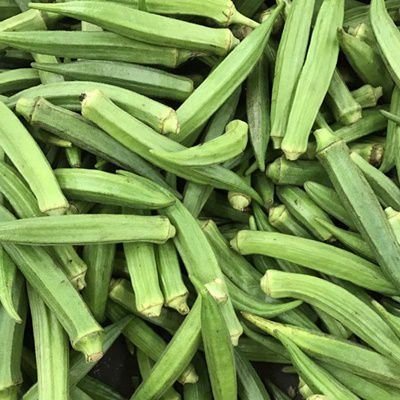
Clemson Spineless Okra – 20 Seeds
(Abelmoschus esculentus “Clemson Spineless”)