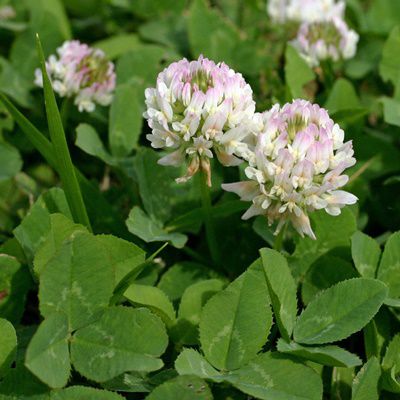
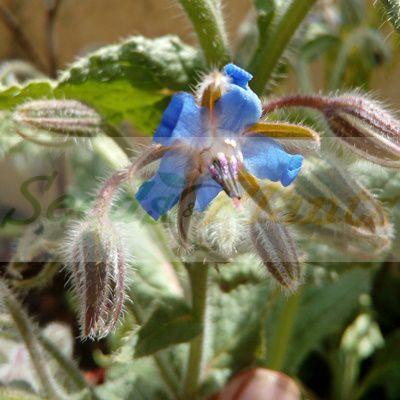
Revitalize your garden from the ground up with our Cover Crops and Green Manure Seeds. Many popular culinary herbs and edible plants also function as excellent cover crops and green manures.
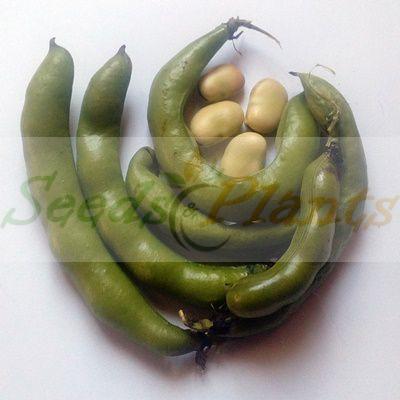
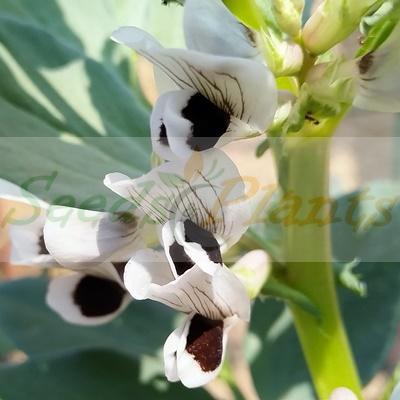
Whether you’re looking to fix nitrogen with legumes like Fava Beans, break through tough clay with tillage Radishes, or naturally sanitize your soil with Mustard bio-fumigants, our selection provides the ecological tools you need for a thriving, sustainable harvest. These varieties don’t just grow food—they build the living foundation of your garden by improving aeration, suppressing weeds, and recycling vital nutrients for your next season.
Faq
A cover crop is a plant grown primarily to protect and improve the soil rather than for harvest, typically planted between harvest or during fallow periods to prevent to shield soil from erosion, improve structure, and suppress weeds.
Green manure refers to specific plants grown not for harvest, but to be incorporated back into the soil while still green. This process adds organic matter and returns vital nutrients to the earth, acting as a natural, living fertilizer.
Legumes (like Clover, Cow Peas, and Fava Beans) have a unique relationship with beneficial soil bacteria. They “grab” nitrogen from the air and store it in nodules on their roots. When the plant is cut down, that nitrogen is released, feeding your next crop of leafy greens or heavy-feeding vegetables.
These are plants with deep “taproots” that act like elevators. They “mine” minerals like Potassium, Calcium, and Phosphorus from deep subsoil layers where other plants can’t reach. When the leaves are chopped or composted, those minerals are delivered to the topsoil.
Plants like the Daikon Radish or Burdock have incredibly strong, thick roots. As they grow, they physically punch through hard, compacted clay. When the root dies and decomposes, it leaves behind open channels that allow air and water to penetrate deep into the ground.
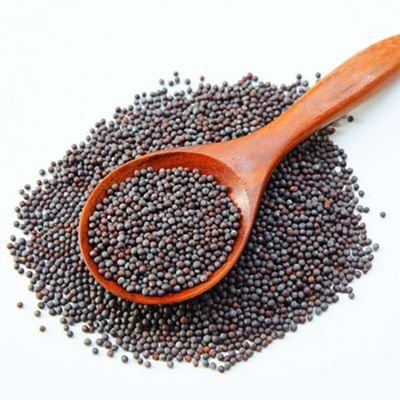
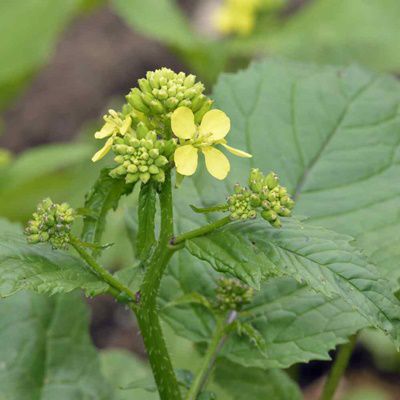
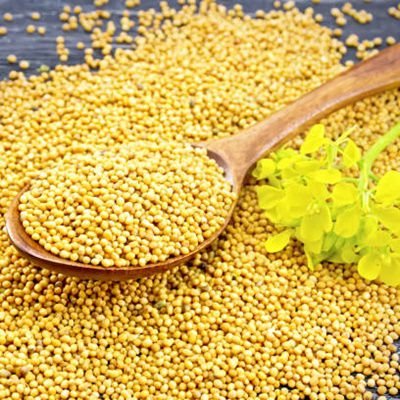
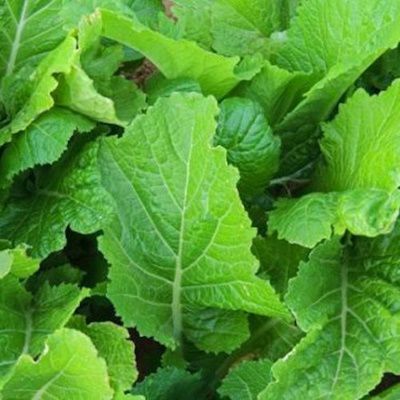
Certain plants, particularly Mustards and Radishes, contain natural compounds that act as soil cleaners. When these plants are finely chopped and dug into moist soil, they release gases that help suppress harmful soil-borne fungi and pests (nematodes).

Out of stock

Out of stock
Out of stock