Mustard Black – 100 Seeds
(Brassica nigra)
R30.00
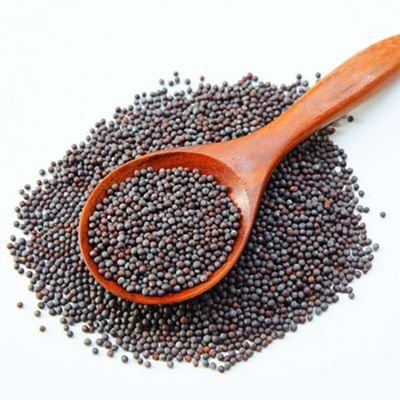
Cultivated for its black or dark brown seeds, which are commonly used as a spice. It is the most pungent of all mustard seeds and is used to produce condiments and specialty mustard’s like Dijon mustard.
Indoor Sowing: Not Recommended.
Direct Sowing: Early Spring and Early Autumn.
In stock
🍃 Culinary Quick Facts
Culinary Info
- 🍽️ Culinary Use: Cooked greens, Oils / Vinegars, Pickling, Prepared mustards, Salads, Sauces, Seasoning, Spice
- 🥗 Edible Part: Flower, Leaf, Root, Seed, Stem
- 😋 Flavor Profile: Peppery, Spicy
- ⓘ Plant Use: Bio-fumigant, Soil Improvement
Growth Traits
- 🌱 Life Cycle: Annual
- 🌾 Plant Type: Herbaceous Annual
- 🦋 Pollinator Method: Attracts Bees, Attracts Butterflies, Attracts Hoverflies, Self-pollinating
- 🔁 Pollination Needs: Needs Only 1 Plant
- 🪴 Growth Habit: Upright
- 🌸 Flower Color: Yellow
Growing Requirements
- 🌞 Sun Exposure: Full Sun, Partial Shade
- 💧 Water Needs: Avoid Overwatering, Regular Water, Water Deeply
- ☀️ Growing Conditions: Cool Weather, Frost Sensitive, Low drought tolerance, Low Heat Tolerance, Moderate Cold Tolerance
- 🟤 Soil Preference: Moderately Fertile, Neutral, Slightly alkaline, Tolerant of most soils, Well-Drained
Black mustard (Brassica nigra) , is an annual plant cultivated for its black or dark brown seeds, which are commonly used as a spice. It is the most pungent of all mustard seeds and is used to produce condiments and specialty mustards like Dijon mustard.
It is native to tropical regions of North Africa, temperate regions of Europe, and parts of Asia.
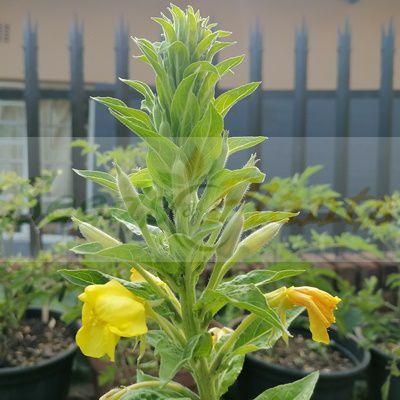
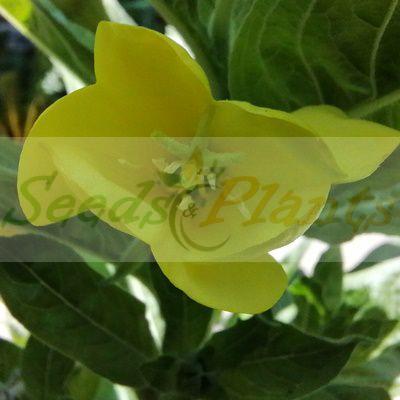
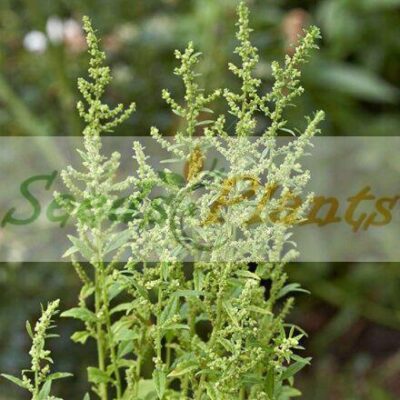
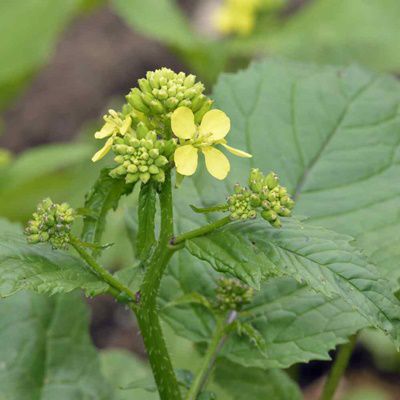
It is an upright plant, with large stalked leaves. They are covered with hairs or bristles at the base, but on the stem smoother. It can reach up to 80–90 cm height in moist fertile soil. It blooms in summer. The flowers have four yellow petals, which are twice as long as the sepals. Each stem has around four flowers at the top, forming a ring around the stem. Later, the plant forms long seed pods, that contain four rounded seeds.
Soil and Garden Benefits:
- Natural Bio-fumigant: Suppresses harmful soil pathogens, fungi (like Fusarium), and nematodes when tilled into the soil while green.
- Rapid Biomass: Fast growth quickly shades out weeds and provides significant organic matter to improve soil structure.
- Pollinator Magnet: If allowed to flower, its bright blooms attract essential bees and beneficial insects to the garden.
Growing Black Mustard
Indoor Sowing: Not Recommended.
Direct Sowing: Early Spring and Early Autumn.
- Mustard is a cool-season crop, so sow seeds in early spring or early autumn. Choose a sunny location with well-drained, fertile soil.
- Broadcast seeds over the soil surface and lightly rake them in.
- Water the seeds after planting and keep the soil consistently moist, but not waterlogged.
- Once they germinate, thin the seedlings so that they are 15 cm apart. Mustard plants grown for seed are planted further apart than plants grown for just leaves as the mustard plant will be getting much larger before it flowers.
- The plants enjoy cool weather and will bolt quickly in warmer weather. Mustard plants that bolt due to warm weather will produce poor flowers and seeds.
- Although the Mustard plant does not require a lot of water, it is important to water the plant during dry spells.
Related products