
Anise – 200 Seeds
(Pimpinella anisum)
R30.00
It has a distinct, licorice-like taste and is often used to add flavor to desserts and drinks.
Common Name: Aniseed.
Indoor Sowing: Not Recommended.
Direct Sowing: Spring.
Out of Stock
Email me when the product is back in stock.
🍃 Culinary Quick Facts
Culinary Info
- 🍽️ Culinary Use: Baking, Beverages/Teas, Flavoring, Garnish, Sauces, Soups and Stews, Spice Blends
- 😋 Flavor Profile: Licorice-like, Sweet
Growth Traits
- 🌱 Life Cycle: Annual
- 🦋 Pollinator Method: Attracts Bees, Attracts Butterflies
- 🪴 Growth Habit: Bushy, Tall Growing
- 🌸 Flower Color: White
Growing Requirements
- 🌞 Sun Exposure: Full Sun
- 💧 Water Needs: Avoid Overwatering, Regular Water
- ☀️ Growing Conditions: Frost Sensitive, Warm Temperatures
- 🟤 Soil Preference: Fertile, Loam, Sandy, Well-Drained
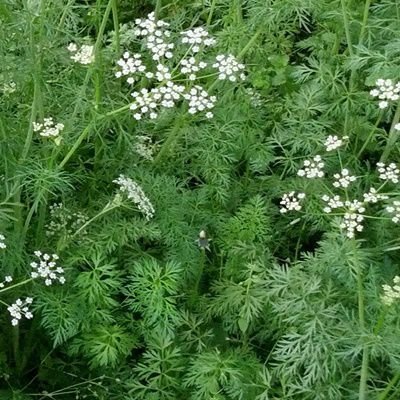
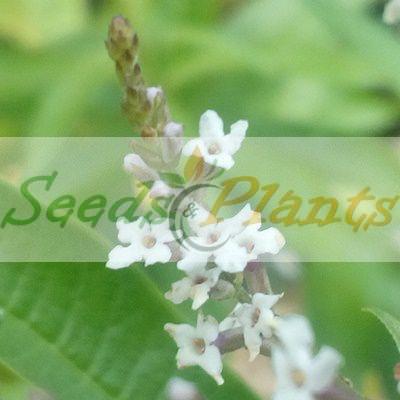
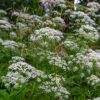
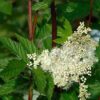
Anise Seeds. Anise plant (Pimpinella anisum) also called aniseed, is a Southern European and Mediterranean herb with a flavor reminiscent of licorice. The plant is attractive with lacy leaves and a profusion of white flowers and grows as a bushy ornamental herb. It can grow up to 1 meter tall.
Anise Medicinal Benefits
It’s also known for its powerful health-promoting properties and acts as a natural remedy for a wide variety of ailments. It is a digestive aid and to help respiratory illness.
Anise Culinary Uses
Anise (Pimpinella anisum) has a distinct, licorice-like taste and is often used to add flavor to desserts and drinks. Its numerous uses in food and beverage span a wide range of international cuisines. The seeds, once crushed, yield an aromatic oil that is used in soaps, perfume and potpourris. Dry the seeds for future use in cooking and store them in a glass container with a tightly sealed lid.
Growing Anise
Indoor Sowing: Not Recommended.
Direct Sowing: Spring.
- Anise plants grow best in light, fertile, well-drained soil.
- The seeds should be planted as soon as the ground warms up in spring.
- Soil should be at least 15 C for best germination.
- Because the plants have a taproot, they do not transplant well after being established, so direct sowing is advisable.
- Space the seeds in rows 2 to 3 feet apart.
- Place the seed on top of the soil and cover with a thin layer of soil.
- Water the plants after emergence twice a week until they are 20cm high and then gradually reduce irrigation.
- Apply a nitrogen fertilizer prior to flowering.
Related products