
Milk Thistle – 5 Seeds
(Silybum marianum)
R30.00
Milk Thistle is grown both as an ornamental flower and as a culinary and medicinal herb. The seed of the milk thistle plant is commonly used to treat chronic inflammatory liver disorders.
Common Names: Milk thistle, blessed milkthistle, Marian thistle, Mary thistle, Saint Mary’s thistle, Mediterranean milk thistle, variegated thistle and Scotch thistle.
Indoor Sowing: Not Recommended.
Direct Sowing: Spring and Autumn.
Only 3 left in stock
🌿 Herbal Quick Facts
Uses
- ⓘ Plant Use: Culinary, Medicinal
Medicinal Info
- 🌿 Medicinal Part: Flower, Flower Buds, Leaf, Root, Seed
- 🍵 Herbal Preparation: Extract / Tincture, Infusion / Tea, Powder
- ⚕️ Healing System: Ayurvedic System of Medicine, Chinese Traditional Medicine, European Traditional Medicine
Culinary Info
- 🍽️ Culinary Use: Baking, Coffee Substitute, Salads, Soups and Stews, Vegetable dishes
- 🥗 Edible Part: Buds, Leaf, Root, Seed, Stem
- 😋 Flavor Profile: Nutty
Growth Traits
- 🌱 Life Cycle: Biennial
- 🌾 Plant Type: Herbaceous Biennial
- 🦋 Pollinator Method: Attracts Bees, Attracts Beetles, Attracts Birds, Attracts Butterflies, Attracts Moths
- 🪴 Growth Habit: Basal Rosette, Upright
- 🌸 Flower Color: Pink, Purple
Growing Requirements
- 🌞 Sun Exposure: Full Sun
- 💧 Water Needs: Avoid Overwatering, Low Water
- ☀️ Growing Conditions: Cold Tolerant, Drought Tolerant, Frost Tolerant, Heat Tolerant
- 🟤 Soil Preference: Tolerant of most soils, Well-Drained
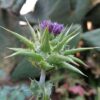
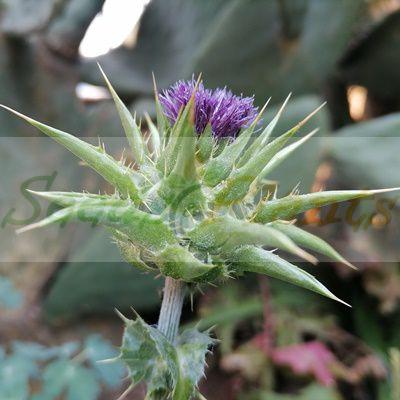
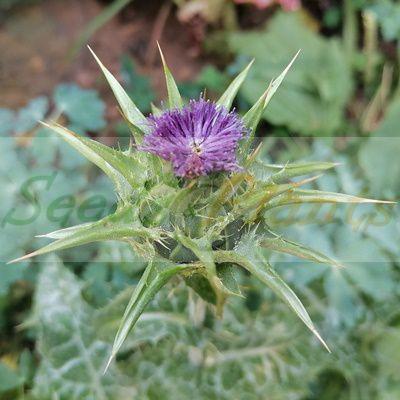
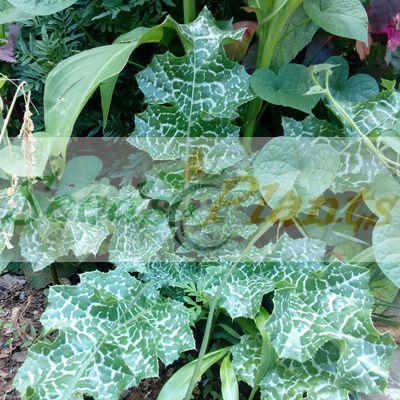
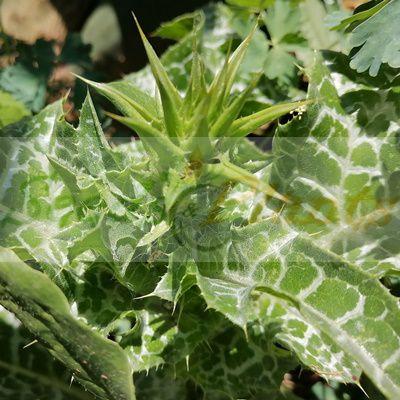
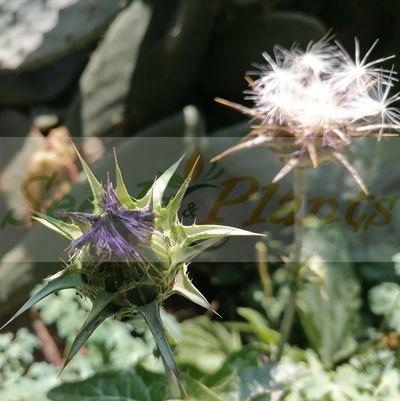
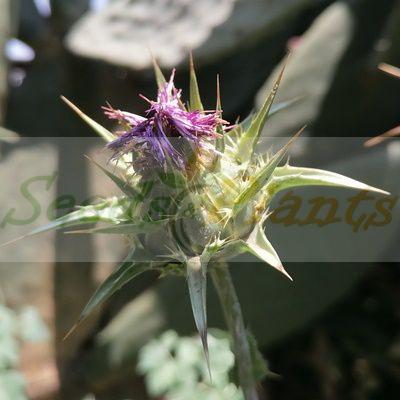
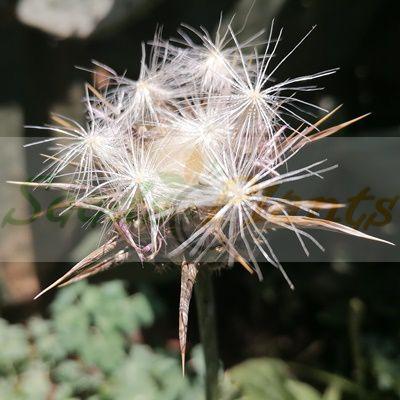
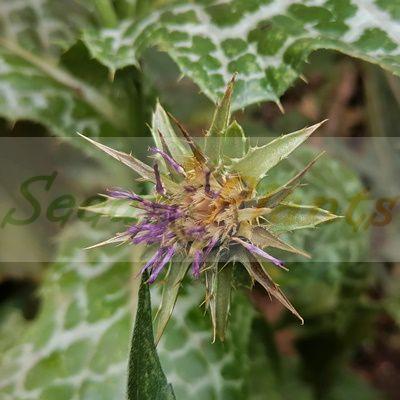
Milk Thistle Seeds. Milk Thistle (Silybum Marianum) is grown both as an ornamental flower and as a culinary and medicinal herb. It is incredibly popular with pollinators, especially bees and various pollinating fly species like syrphid flies. It is a heady, spiny plant with white-veined leaves and purple flowers. The seed of the plant is commonly used to treat chronic inflammatory liver disorders and it is among the top-selling medicinal herbs. While milk thistle products are easy to come by, this is a great herb to grow at home. It requires very little care and a controlled environment to prevent invasive growth. This species is biennial plant of the family Asteraceae.
Milk Thistle Culinary Uses
- Roots – the large carrot-like taproots on the young plants can be cooked and eaten before they get too old and fibrous.
- Leaves – the leaves can be cooked and eaten like spinach, although it’s advisable to cut the spines off first.
- Flowers – the young flower stems can be eaten before they mature and hollow.
- Stems – the immature flowers can be used to make sun tea; some people report eating them like their relative artichokes.
- Seeds – mature thistle seeds are the most commonly used edible part of the plant and can also be used as a coffee substitute.
Milk Thistle Medicinal Benefits
It has been prized for centuries for its anti-inflammatory, antioxidant and antiviral properties.
- Liver Support (Seeds/Flower Buds): It is highly regarded as a liver tonic due to high amounts of a chemical compound known as silymarin. Extensively used to stimulate liver repair, treat alcoholic hepatitis, fatty liver, and protect against toxins.
- Metabolic & Digestive Health (Leaves/Seeds): It is a bitter digestive and diuretic tonic herb. It stimulates bile flow. Used in teas and extracts to aid digestion, reduce gallbladder issues, and manage type 2 diabetes.
- Lactation & Other Benefits (Leaves): Traditionally used to increase breast milk production in nursing mothers. Studies suggest potential benefits for managing cholesterol, supporting cancer treatments, and increasing bone density.
Growing Milk Thistle
Indoor Sowing: Not Recommended.
Direct Sowing: Spring and Autumn.
- It is a hardy plant that grows well in different environments, but it prefers high temperatures and dry conditions. The only requirement for milk thistle is a well-draining soil.
- Seedlings do not transplant well, so indoor sowing is not recommended.
- To grow milk thistle outdoors, sow seeds 90cm apart, directly into the prepared soil.
- Barely cover the seeds with soil, as they need some light to germinate.
- Keep the soil moist until germination, which takes about 2 weeks.
- It is a very drought tolerant plant and prefers dry conditions.
- It should not be necessary to water milk thistle unless there are very extreme conditions of drought.
- The plant reseeds itself readily so in order to control its spread, it is advised to harvest the seeds before they become over-mature.
Related products