Gardening Tips, Pests & Plant Diseases
Natural Ways to Control Aphids
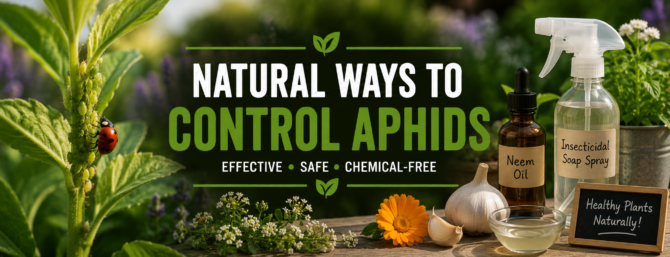
Aphids are among the most common garden pests affecting vegetables, herbs, flowers and fruit plants. These small sap-sucking insects often gather on young shoots and the undersides of leaves.
Although aphids can damage plants, there are many natural methods that can help control them without relying on harsh chemicals.
What Are Aphids?
Aphids are tiny soft-bodied insects that feed on plant sap.
Common signs of aphid infestations include:
- Curled or distorted leaves
- Sticky residue on leaves
- Yellowing growth
- Clusters of small insects on stems
- Stunted plant growth
Aphids reproduce quickly, especially during warm weather.
Encourage Beneficial Insects
Ladybirds, lacewings and hoverflies are natural predators of aphids. Planting pollinator-friendly flowers can help attract beneficial insects into the garden.
Useful plants include:
- Calendula
- Dill
- Yarrow
- Alyssum
- Cosmos
Spray Plants with Water
A strong spray of water can help remove aphids from plant leaves and stems. This simple method is often effective for small infestations.
Remove Heavily Infested Growth
Pruning badly affected leaves or shoots can help reduce aphid populations before they spread further. Dispose of infected plant material away from the garden.
Use Mild Soap Spray Carefully
A diluted mild soap spray may help reduce aphid numbers by disrupting their protective outer coating. Avoid spraying during very hot weather and always test a small section of the plant first.
Avoid Excess Nitrogen Fertilizer
Excessive nitrogen can encourage soft leafy growth that attracts aphids. Balanced fertilizing helps plants grow stronger and less vulnerable to pests.
Companion Planting
Certain plants may help discourage aphids naturally.
Common companion plants include:
- Garlic
- Chives
- Marigolds
- Mint
Final Thoughts
Aphids are a common part of gardening, but they can usually be managed naturally with early detection and simple organic methods. Encouraging beneficial insects and maintaining healthy plants are among the best long-term strategies for reducing aphid problems naturally.
Disclaimer
Medicinal Information:
All medicinal information on this website is for educational and informational purposes only and may not be construed as medical advice. The information is not intended to replace medical advice or treatment offered by healthcare professionals.
Seeds, Plants, Plant Cuttings, Geophytes and Dried Herbs:
In some countries and provinces, certain plants are deemed as invasive and are not allowed to be planted at all, whilst some plants are allowed to be grown only in certain areas or provinces. The onus is on you as the buyer to familiarize yourself with the regulations pertaining to your location, before purchasing any of our seeds, plants, plant cuttings, geophytes or dried herbs. We will not be held liable, should you purchase any seeds, plants, plant cuttings, geophytes or dried herbs. from us which are prohibited in your country or province.