Herbal Medicine Chest, Medicinal Plant Profiles
African Red Peach Medicinal Uses
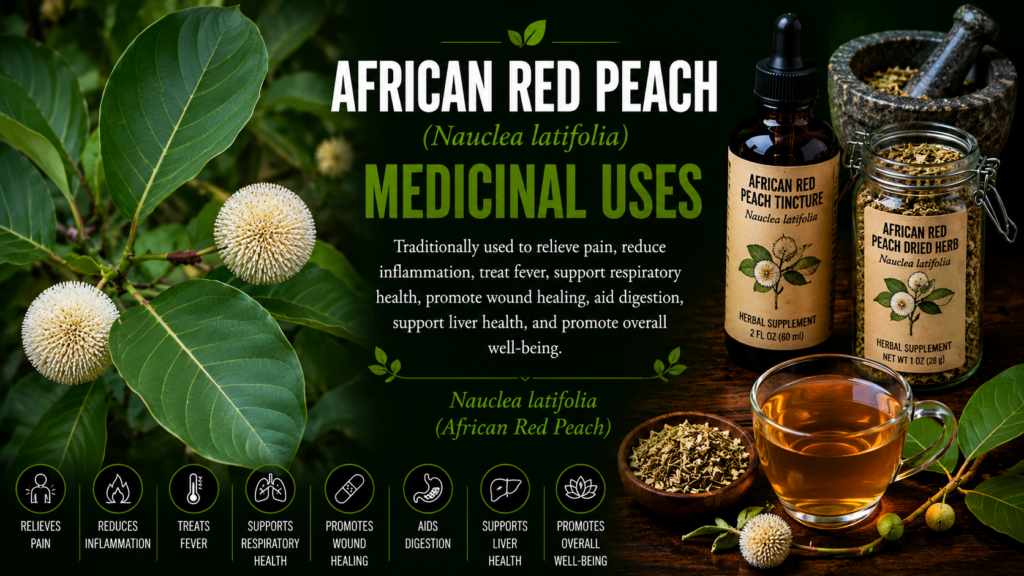
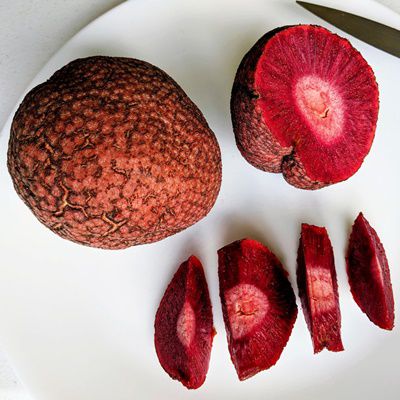
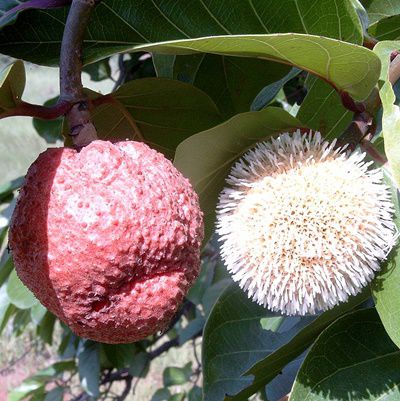
African Red Peach (Nauclea latifolia) is a deciduous tree native to tropical Africa. It is celebrated in traditional African medicine as a valuable medicinal plant and is used in the treatment of various medical conditions.
African Red Peach Medicinal Uses Overview
- Used traditionally to treat malaria, filariasis, and gonorrhoea, with studies showing antiplasmodial and antibacterial activities.
- Used to manage hyperglycaemia, and scientific research indicates it has antidiabetic properties by potentially inhibiting enzymes like α-glucosidase and α-amylase.
- Root decoctions have shown analgesic (pain-relieving) properties in studies. The plant is also used to treat inflammation and gastrointestinal issues like stomach aches and diarrhoea.
- Traditional remedies made from the roots are used for coughs, asthma, and bronchitis.
- Traditionally used for conditions like epilepsy and anxiety, and studies support its anticonvulsant, anxiolytic, and sedative properties.
- Some studies suggest that the root decoction can improve male fertility by increasing sperm count, motility, and viability.
- Traditionally used to treat jaundice and eye conditions.
African Red Peach Herbal Preparations and Uses
- Root: Often brewed into a decoction, root extracts are widely used to treat malaria, central nervous system disorders (like epilepsy and anxiety), and pain. They also serve as a stimulant and aphrodisiac.
- Stem Bark: Decoctions and macerations are frequently used as an anti-malarial and fever remedy, earning it the nickname “African quinine”. It is also utilized for treating diabetes, hypertension, diarrhea, and jaundice.
- Leaves: Commonly used to make tonics, treat stomach disorders, and manage respiratory ailments. Leaf extracts are also applied as an anti-helmintic to deworm both humans and animals
- Fruits: Often consumed raw or made into local extracts. It is used in traditional medicine to treat piles, dysentery, and other gastrointestinal disorders.
Buy African Red Peach Seeds