African Red Peach – 10 Seeds
(Nauclea latifolia)
R50.00
The fruit resembles a strawberry in taste and texture and it has numerous very tiny seeds. It is also a valuable medicinal plant.
Common Names: African peach, Ivory coast cherry, Pincushion tree, Mutuba.
Indoor Sowing: Spring and Summer.
Direct Sowing: Not Recommended.
Only 1 left in stock
🌿 Herbal Quick Facts
Medicinal Info
- 🌿 Medicinal Part: Bark, Leaf, Root
- 🥣 Herbal Preparation: Decoction, Infusion / Tea
- ⚕️ Healing System: African Traditional Medicine
Culinary Info
- 🍽️ Culinary Use: Beer / Wine, Cooked / Baked / Dried fruit, Juices and Syrups, Raw Eating
- 🥗 Edible Part: Fruit pulp
- 😋 Flavor Profile: Strawberry-like, Sweet
Growth Traits
- 🌱 Life Cycle: Perennial
- 🌾 Plant Type: Shrub, Tree
- 🔁 Fruiting Needs: Needs Only 1 Plant
- 🦋 Pollinator Method: Attracts Bees, Attracts Butterflies, Attracts Carpenter Bees
- 🪴 Growth Habit: Open canopy, Upright
- 🌿 Foliage Type: Deciduous
- 🌸 Flower Color: White-yellow
Growing Requirements
- 🌞 Sun Exposure: Full Sun, Partial Shade, Shade Tolerant
- 💧 Water Needs: Regular Water
- ☀️ Growing Conditions: Drought Tolerant, Humid Conditions, Warm Temperatures
- 🟤 Soil Preference: Loam, Well-Drained
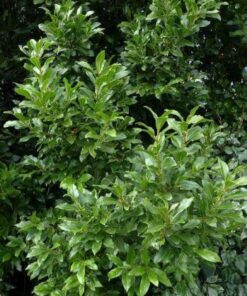
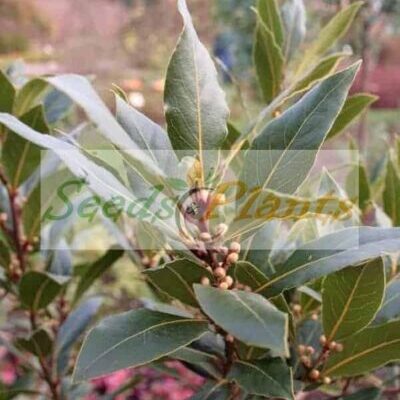
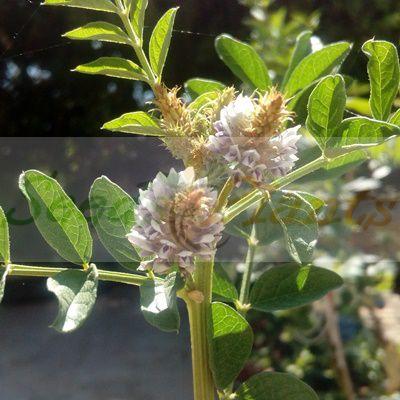
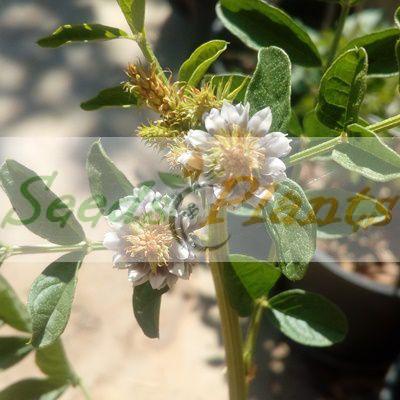
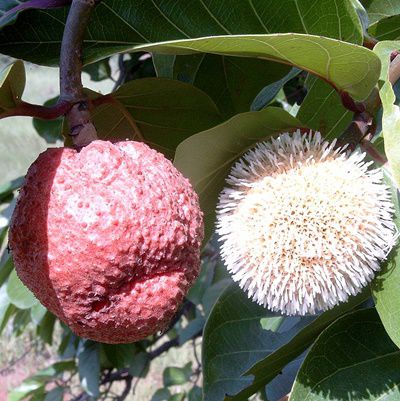
African Red Peach (Nauclea latifolia) is a deciduous tree native to tropical Africa. The tree has an open canopy and branches out from low down on the stem. Height can vary significantly, from a shrub to a large tree. In tree form it can grow to a height of 10m – 30m, depending on it’s habitat and in shrub form it can be around 4–9 meters tall. Soil and moisture conditions play a large role in its final size. It can start flowering when it is about 1m – 2m tall. The fragrant flowers are white-yellow and occur in a single rounded head. The tree tolerates most soils and is drought tolerant once established.
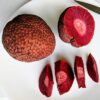
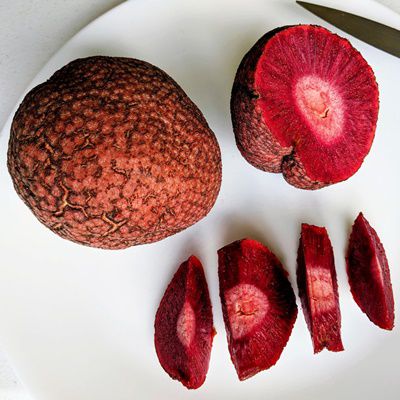
When grown from seed it starts producing fruits after about 5 – 6 years. The fruit is a compound fruit about 8cm in diameter, changing from green to reddish pink when ripe. The fruit resembles a strawberry in taste and texture and it has numerous very tiny seeds.The seeds even look similar to strawberry seeds, but smaller in size. Its pulp is deep red, watery, and has a sweet flavor. The flower heads are often cooked and eaten as a vegetable. African Peach is also a valuable medicinal plant. It is used in the treatment of various medical conditions.
Common Names: African peach, Ivory coast cherry, Pincushion tree, Mutuba.
African Red Peach Medicinal Benefits:
- Used traditionally to treat malaria, filariasis, and gonorrhoea, with studies showing antiplasmodial and antibacterial activities.
- Used to manage hyperglycaemia, and scientific research indicates it has antidiabetic properties by potentially inhibiting enzymes like α-glucosidase and α-amylase.
- Root decoctions have shown analgesic (pain-relieving) properties in studies. The plant is also used to treat inflammation and gastrointestinal issues like stomach aches and diarrhoea.
- Traditional remedies made from the roots are used for coughs, asthma, and bronchitis.
- Traditionally used for conditions like epilepsy and anxiety, and studies support its anticonvulsant, anxiolytic, and sedative properties.
- Some studies suggest that the root decoction can improve male fertility by increasing sperm count, motility, and viability.
- Traditionally used to treat jaundice and eye conditions
Growing African Red Peach
Indoor Sowing: Spring and Summer.
Direct Sowing: Not Recommended.
- The seeds are very tiny so it is best to germinate them in a container that has a cover.
- Spread the seeds out on a moist tissue paper or paper napkin.
- Place the napkin with the seeds in a container.
- Keep the content moist and keep the container covered to maintain humidity.
- Once you see that the seeds have germinated transplant them carefully into individual containers.
Related products