

Garlic Chives – 100 Seeds
(Allium tuberosum)
R30.00
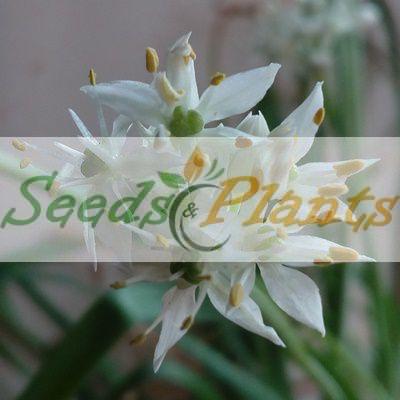
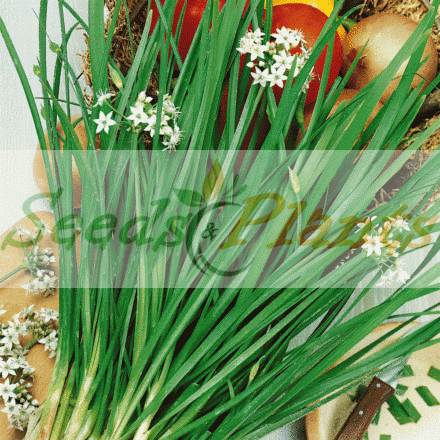
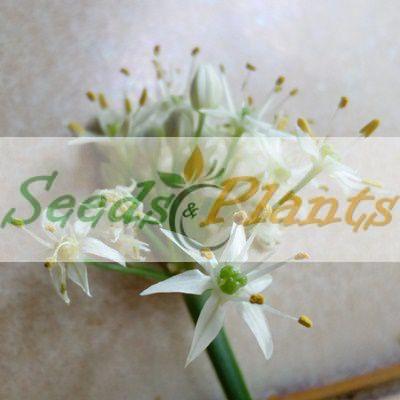
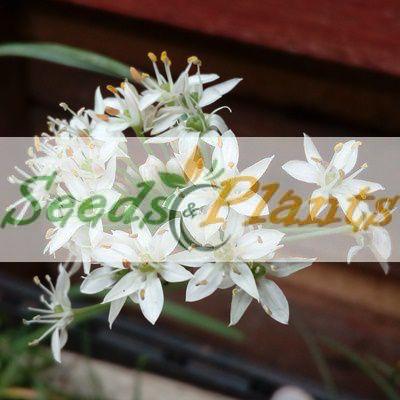
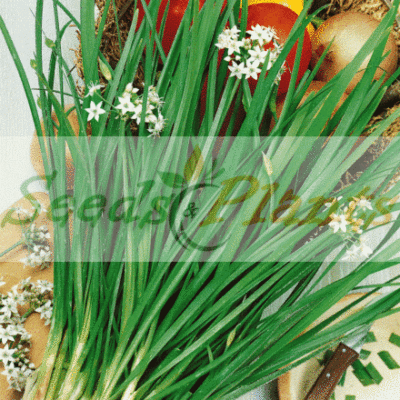
Unlike the traditional tubular leaves and lilac flowers of regular chives, garlic chives have flat, narrow blades and white flowers.
Indoor Sowing: Spring.
Direct Sowing: Spring and Autumn.
Only 3 left in stock
🍃 Culinary Quick Facts
Culinary Info
- 🍽️ Culinary Use: Garnish, Noodle Dishes, Oils / Vinegars, Salads, Sauces, Stir-frying
- 🥗 Edible Part: Bulb, Flower, Leaf, Scapes
- 😋 Flavor Profile: Garlic-like, Onion-like
- ⓘ Plant Use: Bio-fumigant, Culinary
Growth Traits
- 🌱 Life Cycle: Perennial
- 🌾 Plant Type: Herbaceous Perennial
- 🦋 Pollinator Method: Attracts Bees, Attracts Birds, Attracts Hoverflies, Attracts Wasps, Self-pollinating
- 🔁 Pollination Needs: Needs Only 1 Plant
- 🪴 Growth Habit: Bulbous, Clumping
- 🌸 Flower Color: White
Growing Requirements
- 🌞 Sun Exposure: Full Sun, Partial Shade
- 💧 Water Needs: Avoid Overwatering, Moderate Water
- ☀️ Growing Conditions: Cold Tolerant, Drought Tolerant, Frost Tolerant, Heat Tolerant
- 🟤 Soil Preference: Humus-rich, Loam, Moderately Acidic, Moderately Fertile, Slightly acidic, Tolerant of most soils, Well-Drained
Originating in western China, garlic chives (Allium tuberosum) have been used in Asian cuisine for thousands of years. It is also known as “Chinese chives”. Unlike the traditional tubular leaves and lilac flowers of regular chives, these chives have flat, narrow blades and white flowers. Perennial growing to 50cm. Plants grow in slowly spreading clumps.
Garden and Soil Benefits:
- Bio-Fumigant: The sulfur content in chives helps repel soil pests.
Culinary Uses
- Leaves have a mild flavor, a cross between regular chives and garlic.
- Can be eaten raw or cooked.
- Good in salads, sauces, stir-fries and with fish, poultry and egg dishes.
Growing Garlic Chives
Indoor Sowing: Spring.
Direct Sowing: Spring and Autumn.
- Chives will grow well in full sun or in partial shade.
- They grow best in a fertile, moist but well-drained soil.
- You can direct sow chives herb seeds thinly outdoors in spring or autumn, where you want them to grow.
- Prepare the soil well with added compost and rake to a fine tilth before sowing.
- Surface sow the seeds and cover with a thin layer of soil.
- Water well and keep soil moist.
- Thin out the young plants to 23-30cm apart when large enough to handle.
- Seeds can also be sown indoors in Spring at a temperature of 18-21C.
- Surface sow the seeds and cover with a thin layer of soil and keep moist.
- When seedlings are large enough to handle, transplant into 10cm pots in bunches of 4-6 seedlings per pot.
- Plant outside when the last frosts are over, after hardening off – gradually acclimatizing them to outdoor conditions – for 10-14 days.
- Chives are very easy to look after and need minimal maintenance.
- Keep the soil moist by watering regularly during prolonged dry periods in summer.
- Feed with a general granular plant food each spring.
- Plants may need rejuvenating every 3 to 5 years. Carefully lift, divide the plant into smaller portions and replant in well-prepared soil in spring.
Related products



Out of stock




Out of stock