Persian Catmint – 20 Seeds
(Nepeta mussinii)
R30.00
The fragrant flowers of Persian Catmint are a good source of nectar for butterflies, hummingbirds and bees. The plant is also attractive to cats, but less than catnip.
Indoor Sowing: Late Winter and Early Spring.
Direct Sowing: Spring and Autumn.
In stock
🍃 Culinary Quick Facts
Culinary Info
- 🍽️ Culinary Use: Beverages/Teas, Juices and Syrups, Marinades/Dressings, Salads, Sauces, Soups and Stews, Spice Blends, Vegetable dishes
- 🥗 Edible Part: Flower, Leaf
- 😋 Flavor Profile: Mildly minty
Growth Traits
- 🌱 Life Cycle: Perennial
- 🌾 Plant Type: Herbaceous Perennial
- 🦋 Pollinator Method: Attracts Bees, Attracts Butterflies, Attracts Hoverflies, Attracts Hummingbirds, Self-pollinating
- 🔁 Pollination Needs: Needs Only 1 Plant
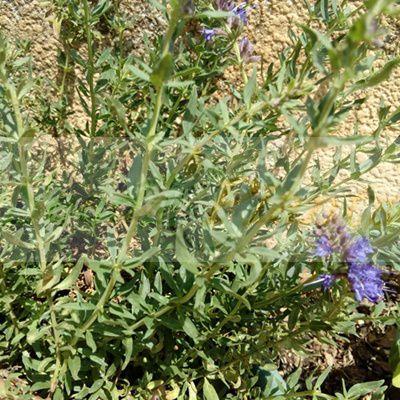
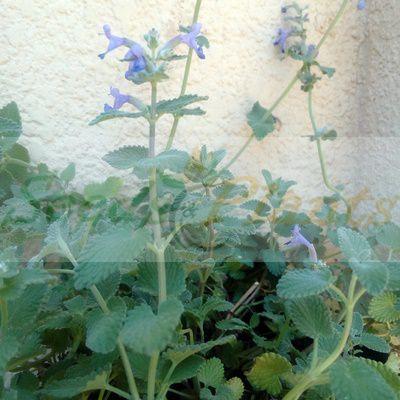
- 🪴 Growth Habit: Bushy, Compact, Low-Growing, Mounding, Spreading
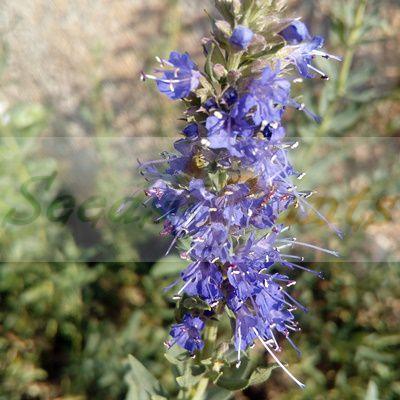
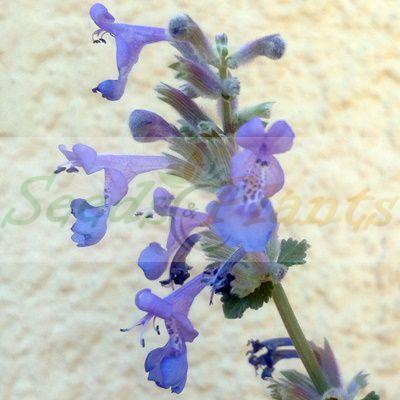
- 🌸 Flower Color: Lavender-blue
Growing Requirements
- 🌞 Sun Exposure: Full Sun, Partial Shade
- 💧 Water Needs: Avoid Overwatering, Low Water
- ☀️ Growing Conditions: Cold Tolerant, Drought Tolerant, Frost Tolerant, Heat Tolerant
- 🟤 Soil Preference: Chalky, Dry, Loam, Sandy, Well-Drained
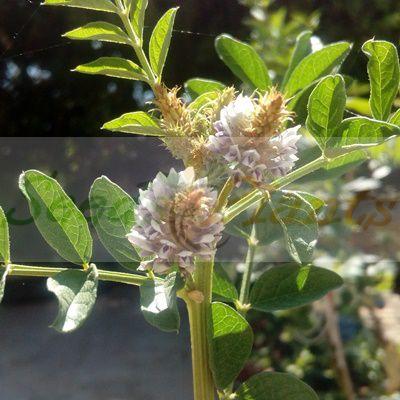
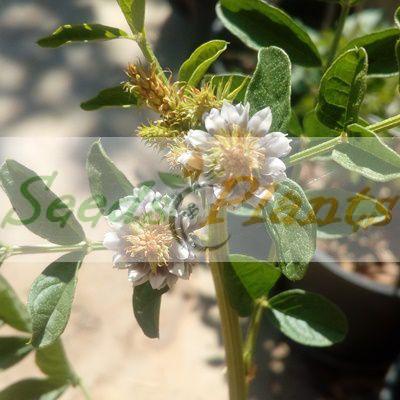
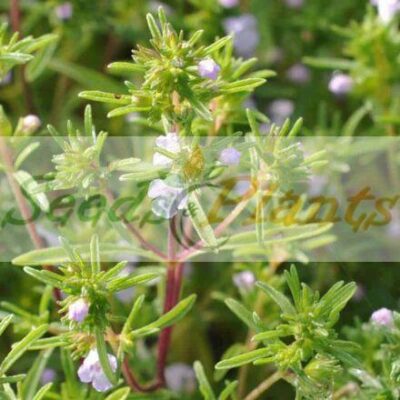
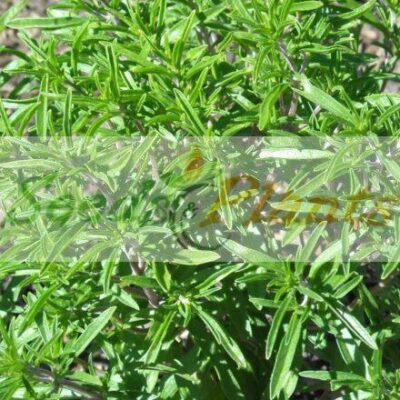
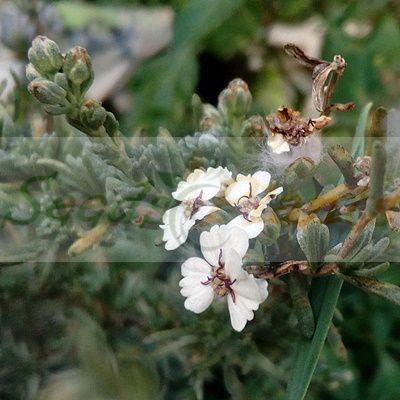
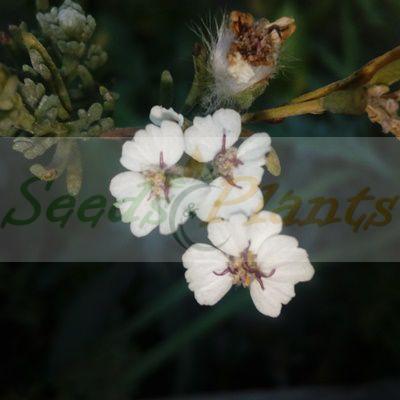
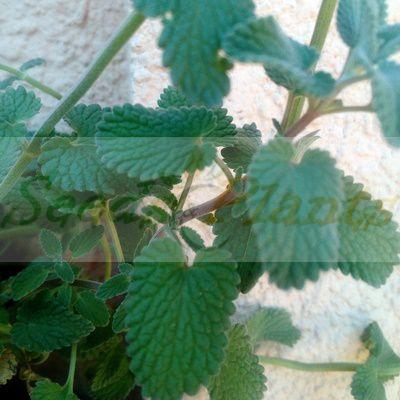
Small spreading mounds with a cloud of lavender blue spikes covering the plant when in full bloom. The small oval leaves are a soft greenish gray that look a bit wrinkled. Persian Catmint (Nepeta mussinii) has a long blooming period, and its fragrant flowers are good source of nectar for butterflies, hummingbirds and bees. Catmint is also attractive to cats, but less than catnip. It is a popular perennial to grow in rock and herb gardens, borders, and as an edging plant. It grows to a maximum height of approximately 30cm. It is a drought tolerant plant that thrives in full sun and somewhat dry, well-drained soil, but easily tolerates partial shade.
Culinary Uses
- This attractive, aromatic herb, is mainly grown for its minty, spicy flavoring.
- They are used as a garnish in many deserts and savory dishes as well.
Growing Persian Catmint
Indoor Sowing: Late Winter and Early Spring.
Direct Sowing: Spring and Autumn.
- Seeds can be sown indoors, or directly outdoors as well.
- If started indoors, sow in peat pots, 6 to 8 weeks prior to the last frost.
- Surface sow the seeds directly on the surface of the soil.
- Do not cover the seeds with soil or barely cover with a very thin layer of soil, as the seeds require light to germinate properly.
- Keep soil moist by using a spray bottle or watering from the bottom of the container.
- Germination takes place within roughly 7 to 14 days after sowing.
- Transplant or direct sow into the garden when the weather is warm and all danger of frost has passed.
- The plant can be grown in full sunlight to partial shade and prefer a soil that is loose, but well drained.
- Grows well in containers.
Related products