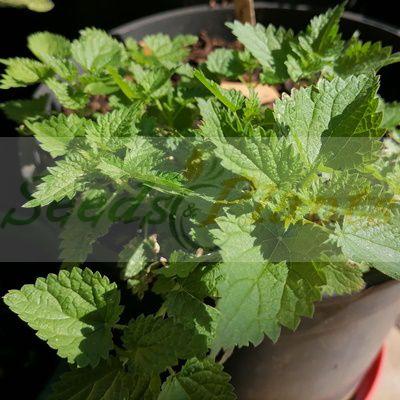
Stinging Nettle – 50 Seeds
(Urtica dioica)
R30.00
Stinging Nettle is well known for it’s medicinal and culinary uses. It has been grown, foraged, and harvested for thousands of years.
Common Names: Common nettle, stinging nettle and nettle leaf.
Indoor Sowing: Late Winter and Early Spring.
Direct Sowing: Spring.
In stock
🌿 Herbal Quick Facts
Uses
- ⓘ Plant Use: Culinary, Dynamic Accumulator, Medicinal
Medicinal Info
- 🌿 Medicinal Part: Leaf, Root, Stem
- 🥣 Herbal Preparation: Decoction, Extract / Tincture, Infusion / Tea, Juice, Ointments/Creams, Powder, Urtication
- ⚕️ Healing System: African Traditional Medicine, Ayurvedic System of Medicine, European Traditional Medicine
Culinary Info
- 🍽️ Culinary Use: Cooking, Curries, Porridge, Soups and Stews
- 🥗 Edible Part: Leaf, Sprigs
- 😋 Flavor Profile: Earthy
Growth Traits
- 🌱 Life Cycle: Perennial
- 🌾 Plant Type: Herbaceous Perennial
- 🦋 Pollinator Method: Attracts Butterflies, Attracts Lacewings, Attracts Ladybirds, Attracts Moths, Attracts Parasitic Wasps
- 🪴 Growth Habit: Spreading, Upright
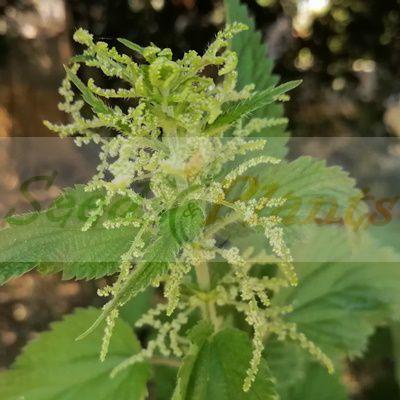
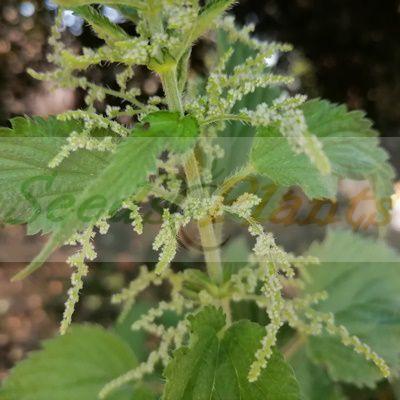
- 🌸 Flower Color: Greenish-white
Growing Requirements
- 🌞 Sun Exposure: Partial Shade
- 💧 Water Needs: Regular Water
- ☀️ Growing Conditions: Cold Tolerant, Frost Tolerant, Low drought tolerance, Low Heat Tolerance
- 🟤 Soil Preference: Fertile, Moist, Rich Organic, Well-Drained
Urtica dioica, often known as common nettle, stinging nettle or nettle leaf, or just a nettle or stinger, is a dioecious herbaceous perennial flowering plant in the family Urticaceae. Male flowers and female flowers are generally borne on separate individual plants. Male flowers are often yellowish and Female flowers are generally greenish-white. The lifecycle of the plant involves both sexual reproduction via seeds and asexual (vegetative) reproduction via its extensive rhizome system.
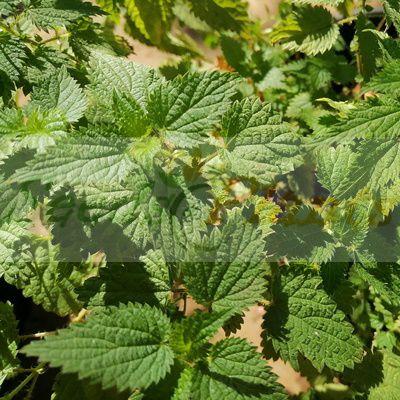
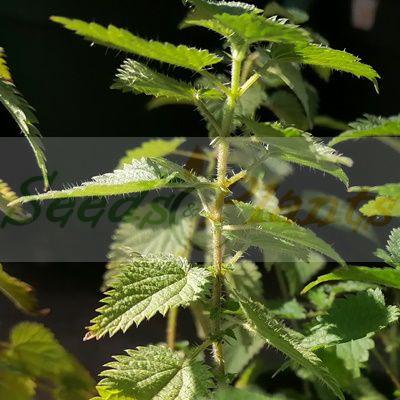
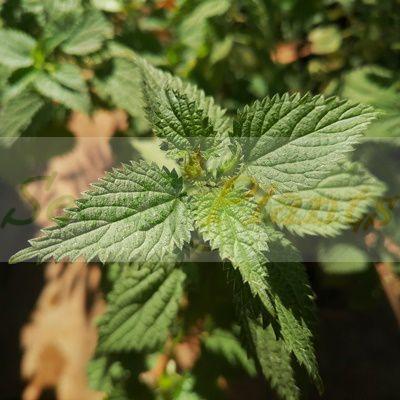
The plant has pointed leaves and can grow up to 2-4 meters tall. It is well known for it’s medicinal and culinary uses and has been grown, foraged, and harvested for thousands of years. Documented accounts of its use date as far back as 1200 BC, and its uses are widespread. Nettles are packed with nutrients. High in Vitamin C, Vitamin A, and full of calcium, magnesium, iron, and potassium, they are also a good source of protein.
Garden and Soil Benefits:
- Dynamic Accumulator: Stinging Nettle is highly valued in permaculture as a Dynamic Accumulator of iron and nitrogen.
- Plant Strengthening: When turned into a fermented liquid manure, it helps strengthen the cell walls of neighboring plants, making them more resistant to pests like aphids.
Culinary Uses
- Used in soups and as a leafy green.
- Also used as a tea.
Stinging Nettle Medicinal Benefits
- Anti-inflammatory: Effectively reduces arthritis, gout, and rheumatism symptoms.
- Allergy Relief: Known to help manage seasonal allergy symptoms.
- Urinary Health: Used as a diuretic and for improving prostate health.
- Blood Sugar Regulation: May help reduce blood sugar levels in people with type 2 diabetes.
- Nutritional Support: Rich in vitamins, minerals, and antioxidants.
Plant Parts Used
- Leaves: Used for treating arthritis, joint pain, muscle aches, and allergic rhinitis (sneezing, itchy eyes). They are highly nutritious, providing iron, calcium, and antioxidants.
- Roots: Specifically used to treat micturition (urination) difficulties, such as those associated with benign prostatic hyperplasia (BPH).
- Whole/Fresh Plant: Applied topically to treat arthritis and joint inflammation.
- Seeds: Used for their nutritional value.
Growing Stinging Nettle
Indoor Sowing: Late Winter and Early Spring.
Direct Sowing: Spring.
- Nettle does especially well on the edges of meadows, pastures, or streams where the soil stays moist but isn’t waterlogged.
- Surface sow seeds in flats in late winter or spring. Alternatively you can direct sow in Spring.
- Seeds are very tiny and require light for germination, so barely cover them with soil.
- Optimal soil temperature for germination is around 18-27°C.
- Keep soil moist until germination.
- Germination in about 14 -30 days.
- Transplant outdoors in early spring, as soon as the ground can be worked. Space seedlings about 8 inches apart.
Related products