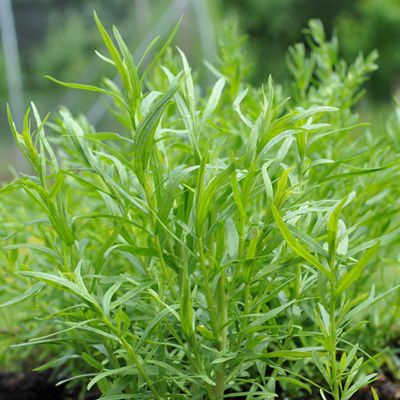
Russian Tarragon – 100 Seeds
(Artemisia dracunculoides Pursch)
R30.00
This highly prized herb is used in Hollandaise, Tartar and Béarnaise Sauce. A hardy plant that prefers poor soils and can cope with a bit of neglect.
Common Names: Russian Tarragon, Estragon and Wild tarragon.
Indoor Sowing: Early Spring.
Direct Sowing: Spring.
In stock
🍃 Culinary Quick Facts
Culinary Info
- 🍽️ Culinary Use: Cooking, Marinades/Dressings, Raw Eating, Rubs, Salads, Sauces
- 🥗 Edible Part: Flower, Leaf, Seed, Stem
- 😋 Flavor Profile: Anise-like, Earthy, Grassy, Licorice-like, Slightly Bitter
- ⓘ Plant Use: Culinary, Medicinal
Medicinal Info
- 🌿 Medicinal Part: Leaf, Stem
- 🥣 Herbal Preparation: Extract / Tincture, Infused Oil, Infusion / Tea, Poultice
- ⚕️ Healing System: Ayurvedic System of Medicine, European Traditional Medicine, Unani System of Medicine
Growth Traits
- 🌱 Life Cycle: Perennial
- 🌾 Plant Type: Herbaceous Perennial
- 🦋 Pollinator Method: Attracts Bees, Attracts Butterflies
- 🪴 Growth Habit: Clumping, Upright
- 🌸 Flower Color: Greenish yellow, Yellow
Growing Requirements
- 🌞 Sun Exposure: Full Sun, Shade
- 💧 Water Needs: Avoid Overwatering, Moderate Water, Water Deeply
- ☀️ Growing Conditions: Cold Tolerant, Drought Tolerant, Frost Tolerant, Moderate Heat Tolerance, Not Humidity Tolerant
- 🟤 Soil Preference: Loam, Poor Soil Tolerant, Sandy loam, Well-Drained
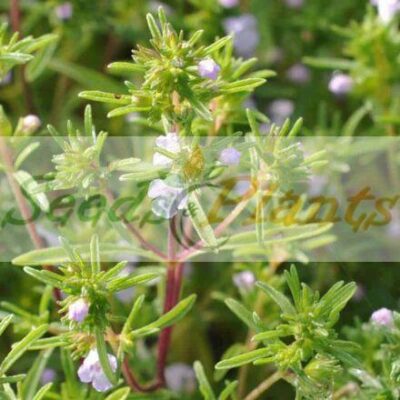
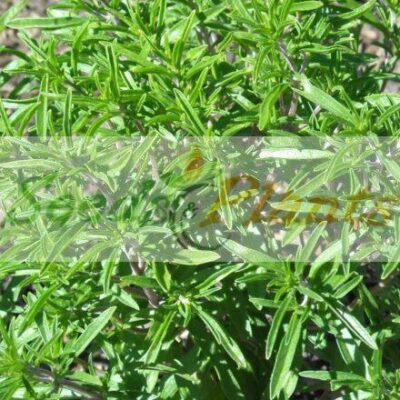
Russian Tarragon (Artemisia dracunculoides Pursch). Similar to French tarragon, but producing a more vigorous plant. Russian Tarragon produces branching stems of lance-shaped, aromatic foliage. This perennial with long, thin leaves is native to Central Asia (mainly Siberia) and can reach a height of 40 to 150 cm.
Sometimes called Wild Tarragon is a member of the lettuce family and is closely related to anise, and like anise has a somewhat licorice-like taste. Russian Tarragon has lighter green leaves than French Tarragon.
The flavour of Russian Tarragon may not be so pronounced as its French counterpart but is it is a much more hardy plant that prefers poor soils and can cope with a bit of neglect. It produces lots of leaves, which can be used for a milder flavor. The plant divides easily and can be grown easily from seed.
Russian Tarragon Culinary Uses
- The leaves are used raw or cooked in fish, chicken and potato dishes.
- Seed is used raw or cooked.
- In French cooking, it is usually paired with chives and becomes a fine herbes mix.
- This highly prized herb is blended into Hollandaise, Tartar and Béarnaise Sauce.
- A few leaves shredded into scrambled egg raise this simple dish to a new level.
Russian Tarragon Medicinal Benefits
- Tarragon is used to treat digestion problems, poor appetite, water retention, and toothache; to start menstruation; and to promote sleep.
Growing Russian Tarragon
Indoor Sowing: Early Spring.
Direct Sowing: Spring.
- Start seedlings indoors in Early Spring or direct sow in Spring.
- Surface sow the Russian Tarragon Seeds and then lightly cover with a very thin layer of soil. The seeds should be no more than 1 – 2mm below the soil surface.
- Make sure that the growing medium remains moist, but not drenched
- Germination in about 7 to 14 days.
- When the seedlings are large enough to handle, they can be planted out or potted on.
- Transplant the plants outdoors once established, after the last frost date. Space 20cm between each plant.
- Tarragon is one herb that tends to do better in the ground than in pots. When planting in the ground, choose a sunny well-drained location.
- Plants benefit from a good fertilizing at the start of the growing season.
- Regular using and cutting of plants early in the season develops a desirable compact growth habit.
- Tarragon’s roots will tightly intertwine and it can choke itself out if not divided every one to two years.
- In the winter cut plants down to the ground to induce fresh growth.
Related products