Winter Thyme – 100 Seeds
(Thymus vulgaris ‘german winter’)
R30.00
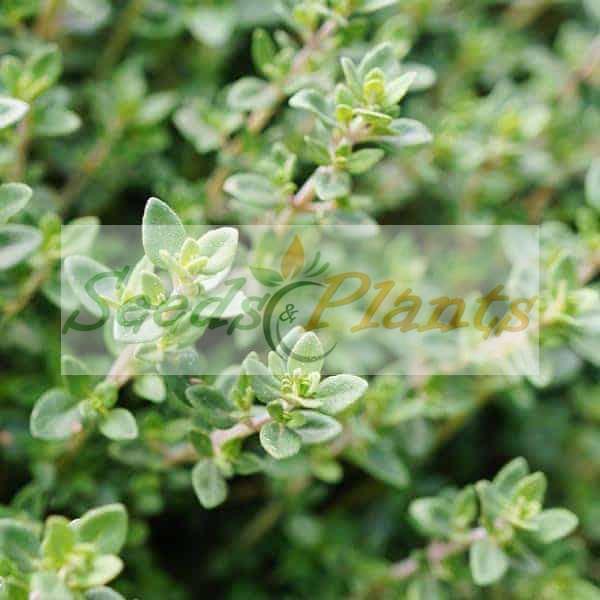
Winter Thyme has a good flavor and yield. Classic culinary and ornamental herb. Small, round to needle-shaped evergreen leaves on woody stems.
Indoor Sowing: Winter.
Direct Sowing: Autumn.
In stock
🍃 Culinary Quick Facts
Culinary Info
- 🍽️ Culinary Use: Flavoring, Garnish, Marinades/Dressings, Oils / Vinegars, Roasting, Savory dishes, Soups and Stews
- 🥗 Edible Part: Flower, Leaf
- 😋 Flavor Profile: Earthy, Pungent
- ⓘ Plant Use: Culinary, Insect Repellent, Medicinal
Medicinal Info
- 🌿 Medicinal Part: Flower, Leaf
- 🥣 Herbal Preparation: Essential Oil, Extract / Tincture, Infusion / Tea, Inhalation, Ointments/Creams, Syrup
- ⚕️ Healing System: European Traditional Medicine
Growth Traits
- 🌱 Life Cycle: Perennial
- 🌾 Plant Type: Herbaceous Perennial
- 🦋 Pollinator Method: Attracts Bees, Attracts Butterflies, Self-pollinating
- 🪴 Growth Habit: Bushy, Compact, Upright
- 🌸 Flower Color: Lilac, White
Growing Requirements
- 🌞 Sun Exposure: Full Sun
- 💧 Water Needs: Avoid Overwatering, Low Water
- ☀️ Growing Conditions: Cold Tolerant, Drought Tolerant, Frost Tolerant, Heat Tolerant
- 🟤 Soil Preference: Gravel, Gritty, pH 6.0–7.5, Rocky, Sandy, Well-Drained
Winter Thyme (Thymus vulgaris ‘german winter’) is also known as German Thyme. Good flavor and yield. Classic culinary and ornamental herb. Small, round to needle-shaped evergreen leaves on woody stems. Mulch in cold winter climates.
It produces dainty, flavorful leaves that are excellent used for cooking or for tea. Harvest as needed and cut back to about 1cm two or three times per season to encourage thicker growth. Easily dried for long-term storage. Plant is perennial in regions with mild winters.
Winter Thyme Culinary Uses
- Fresh or dried flavoring.
- Widely used in soups, stews, roasted meats, poultry, fish, sausages, marinades, vinegars, and savory baked goods.
Medicinal Uses
- Respiratory Care: Historically, it is a key remedy for “cold and stagnant” conditions, such as bronchitis, whooping cough, congestion, and sore throats, due to its expectorant and cough-suppressing properties.
- Antiseptic/Antibacterial: Used to treat wounds, cuts, infections, and even historically to embalm.
- Digestive Aid: Used to relieve gas, diarrhea, and digestive spasms.
- Topical Application: Applied as a mouthwash for gum inflammation, as a wash for skin infections, or in gargles.
- Modern Applications: It is recognized for its high thymol content, which helps fight bacteria, fungi (Candida), and aids in lowering blood pressure
Indoor Sowing: Winter.
Direct Sowing: Autumn.
- Surface sow Thyme Seeds and do not cover with soil, as they need light to germinate.
- Keep the soil consistently moist, but not waterlogged, until germination.
- Maintain a soil temperature of 18° to 21°C for optimal germination.
- Germination is in 14-21 days.
- Transplant thyme seedlings into the garden, 15 – 30cm apart.
- Can be planted in full sun or part shade, and well-drained soil.
- Needs little water once established.
Related products