Common Mallow – 10 Seeds
(Malva sylvestris)
R30.00
The beautiful plant is edible and also has medicinal benefits.
Common Names: Wood mallow, tree mallow and high mallow.
Seed Type: Organic- Harvested from our own plants.
Indoor Sowing: Winter.
Direct Sowing: Early Spring.
Only 3 left in stock
🌼 Flower Quick Facts
Flower Info
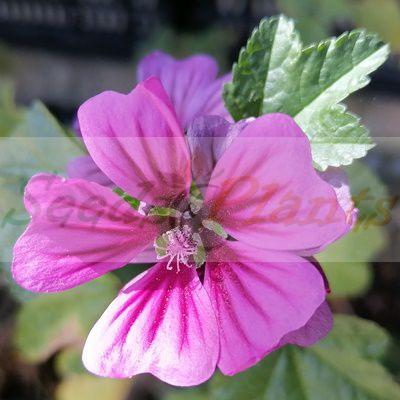
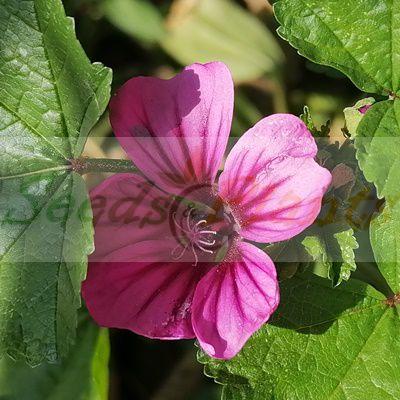
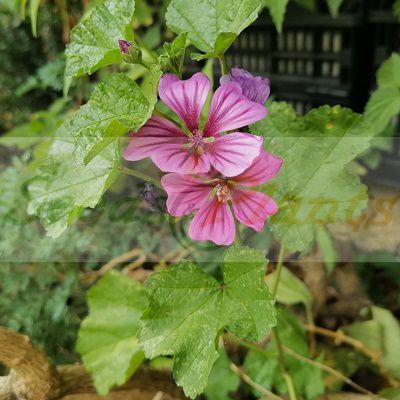
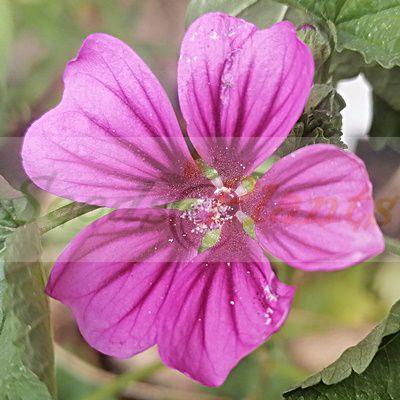
- 🌸 Flower Color: Deep Pink
- 🦋 Pollinator Method: Attracts Bees, Attracts Butterflies, Attracts Hummingbirds, Attracts Moths
Medicinal Info
- 🌿 Medicinal Part: Flower, Fruit, Leaf, Root
- 🥣 Herbal Preparation: Decoction, Infusion / Tea, Poultice
- ⚕️ Healing System: African Traditional Medicine, Ayurvedic System of Medicine, European Traditional Medicine, Unani System of Medicine
Culinary Info
- 🍽️ Culinary Use: Cooking, Fried, Garnish, Salads, Thickening
Growth Traits
- 🌱 Life Cycle: Biennial
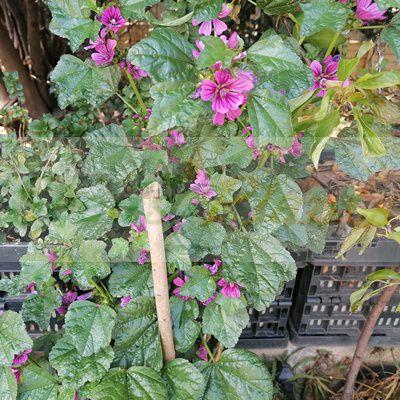
- 🪴 Growth Habit: Bushy, Upright
Growing Requirements
- 🌞 Sun Exposure: Full Sun, Shade
- 💧 Water Needs: Avoid Overwatering, Moderate Water, Water Deeply
- ☀️ Growing Conditions: Cold Tolerant, Drought Tolerant, Frost Tolerant, Heat Tolerant
- 🟤 Soil Preference: Chalky, Clay loam, Loam, Moderately Fertile, Poor Soil Tolerant, Sandy, Well-Drained
Common Mallow (Malva sylvestris) is a species of the mallow genus Malva in the family of Malvaceae. Also known as wood mallow, tree mallow and high mallow. It is a short-lived perennial that is often treated as a biennial and readily self-seeds
.
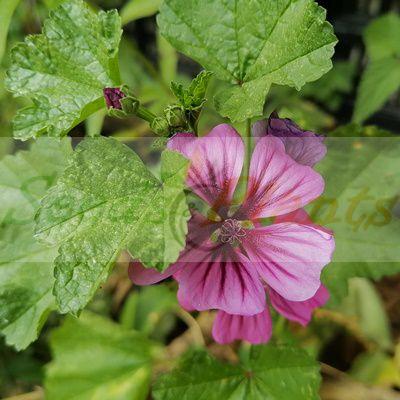
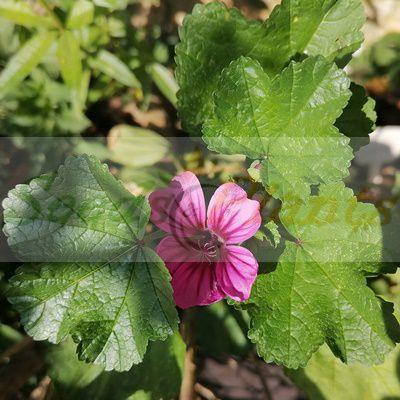
It is an erect busy perennial plant, growing up to 1 m tall. It is a vigorous plant with showy flowers of bright pink/ purple, with dark veins. Flower spikes appear in summer into autumn.
Culinary Uses
The leaves can be cooked and eaten like spinach, added to thicken soups or deep-fried like green wafers. The flowers and buds can be pickled.
Medicinal Benefits
- Treatment for irritation of the mouth and throat, dry cough, and bronchitis.
- It is also used for stomach and bladder complaints.
- As a poultice to treat wounds.
Growing Common Mallow
Indoor Sowing: Winter.
Direct Sowing: Early Spring.
- The plant likes a full sun location but can grow in semi-shade. In areas with very hot summers, plant in an area that gets afternoon shade.
- Can be grown in any soil, provided that it is well draining. It prefers slightly moist soil.
- Start mallow seeds in a greenhouse or indoors in winter or direct sow in early spring.
- When sowing, spread over fine soil and then barely cover with fine soil.
- Keep soil moist until germination.
- Germination is best between 15-20°C. Germination in about in 7-21 days.
- Prick out seedlings to their own pots when large enough to handle and grow on gradually hardening off before planting.
- Mallow plants will spend their first year establishing their root systems and usually flower prolifically in their second year.
- Can be grown in containers.
Related products