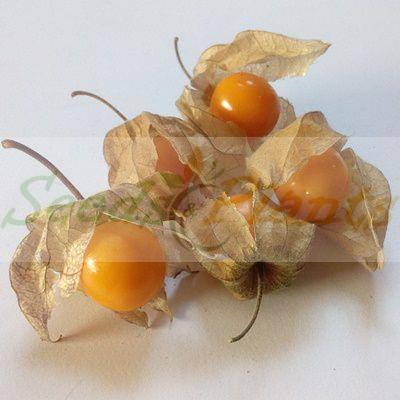

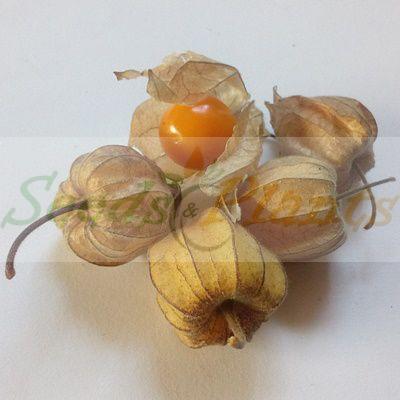

Cape Gooseberry – 20 Seeds
(Physalis peruviana)
R30.00
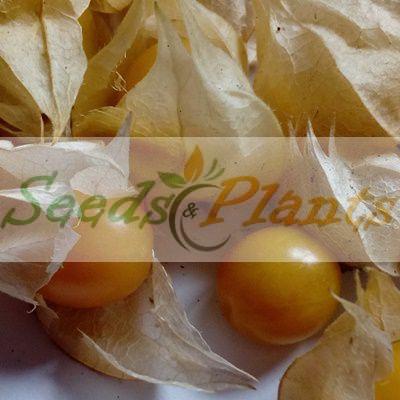
Cape Gooseberry is a tender Perennial which can grow up to a height of about 90 cm to 1.5m.
Common Names: Peruvian groundcherry, Inca berry, Aztec berry and Husk cherry.
Seed Origin: Organic – Harvested from our own plants.
Indoor Sowing: Late Winter.
Direct Sowing: Spring.
Only 4 left in stock
🍒 Fruit Quick Facts
Fruit Info
- 🍽️ Culinary Use: Chutneys, Cooked / Baked / Dried fruit, Jams and Jellies, Juices and Syrups, Raw Eating
- 🥗 Edible Part: Fruit
- 😋 Flavor Profile: Pineapple-like, Sweet-tart
Growth Traits
- 🌱 Life Cycle: Perennial
- 🌾 Plant Type: Herbaceous Perennial
- 🔁 Fruiting Needs: Needs Only 1 Plant
- 🪴 Growth Habit: Bushy, Sprawling, Tall Growing
- 🌸 Flower Color: Bicolor, Brown, Pale yellow
- 📏 Mature Height: 0.8 -1.5 m
- 🦋 Pollinator Method: Attracts Bees, Self-pollinating
Growing Requirements
- 🌞 Sun Exposure: Full Sun, Partial Shade
- 💧 Water Needs: Avoid Overwatering, Moderate Water, Water Deeply
- ☀️ Growing Conditions: Frost Sensitive, Heat Tolerant, Moderate Cold Tolerance, Moderately Drought Tolerant
- 🟤 Soil Preference: Tolerant of most soils, Well-Drained
Cape Gooseberry Seeds. Physalis peruviana, edulis is also known as Inca Berry and “appelliefie” in Afrikaans. This berry plant is a tender perennial which can grow up to a height of about 90 cm to 1.5m. It is a useful small crop for the home garden, because the fruit is expensive to purchase as it is labor-intensive in commercial plantings.
Cape Gooseberry is very easy to grow from seed and it can overwinter outdoors in mild areas or when grown in favored positions such as the foot of a sunny wall.
Common Names: Peruvian groundcherry, Inca berry, Aztec berry and Husk cherry.
Cape Gooseberry Culinary Uses
- In addition to being canned whole and preserved as jam, the cape gooseberry is made into sauce, used in pies, puddings, chutneys and ice cream, and eaten fresh in fruit salads and fruit cocktails.
- In Colombia, the fruits are stewed with honey and eaten as dessert.
- The British use the husk as a handle for dipping the fruit in icing.
- The ripe fruits are considered a good source of Vitamin P and are rich in pectin.
Toxicity – Unripe fruits are poisonous.
Cape Gooseberry Other Uses
Fruits: In the 18th Century, the fruits were perfumed and worn for adornment by native women in Peru.
Cape Gooseberry Medicinal Benefits
- In Colombia, the leaf decoction is taken as a diuretic and antiasthmatic.
- In South Africa, the heated leaves are applied as poultices on inflammations and the Zulus administer the leaf infusion as an enema to relieve abdominal ailments in children.
Indoor Sowing: Late Winter.
Direct Sowing: Spring.
- Start Gooseberry Seeds indoors 6 – 8 weeks before the end of frost season or direct sow in Spring.
- Best planted at soil temperatures between 10°C and 25°C.
- Fill the seed tray with moist seedling growing medium. Press down firmly and level.
- Scatter seeds evenly over the surface.
- Cover the seeds with a fine layer of soil (no more than 5mm deep). Alternatively, use vermiculite as a covering.
- Press or firm down once again to keep the seeds in place.
- Water well and keep the tray in a warm, sheltered position for germination to take place.
- Transplant seedlings, when they are about 10cm tall, into well prepared garden beds. Space them 90cm apart.
- They take approximately 180 days from sowing to harvest.
Related products