Marula Tree – 5 Seeds
(Sclerocarya birrea)
R30.00
The edible Marula fruits are consumed locally and are also used to make beer, wine, and jam.
Common names; jelly plum, cat thorn, morula, cider tree, marula, maroola nut/plum, and in Afrikaans, maroela.
Indoor Sowing: Late Winter and Early Spring.
Direct Sowing: Early Spring.
In stock
🍒 Fruit Quick Facts
Fruit Info
- 🌍 Origin / Region: East Africa, Madagascar, Southern Africa, West Africa
- 🍽️ Culinary Use: Beer / Wine, Chutneys, Coffee Substitute, Cooked greens, Desserts, Jams and Jellies, Juices and Syrups, Liqueurs/Wines, Pies and tarts, Raw Eating
- 🥗 Edible Part: Fruit pulp, Leaf, Seed kernel
- 😋 Flavor Profile: Sweet-tart
- ⓘ Plant Use: Cordage, Culinary, Dye / Ink, Fodder, Insecticide, Medicinal, Woodwork
Medicinal Info
- 🌿 Medicinal Part: Bark, Fruit/Skin, Leaf, Root
- 🍵 Herbal Preparation: Decoction, Infusion / Tea, Inhalation, Ointments/Creams, Powder
- ⚕️ Healing System: African Traditional Medicine
Growth Traits
- 🌱 Life Cycle: Perennial
- 🌾 Plant Type: Tree
- 🔁 Fruiting Needs: Needs Male & Female Plants
- 🪴 Growth Habit: Broad, Spreading, Upright
- 🌸 Flower Color: Pinkish-red, Whitish-purple
- 🌿 Foliage Type: Deciduous
- 📏 Mature Height: 9–12m
- 🦋 Pollinator Method: Attracts Bees, Attracts Butterflies, Attracts Moths
Growing Requirements
- 🌞 Sun Exposure: Full Sun
- 💧 Water Needs: Avoid Overwatering, Low Water
- ☀️ Growing Conditions: Drought Tolerant, Frost Sensitive, Heat Tolerant, Moderate Cold Tolerance
- 🟤 Soil Preference: Loam, Poor Soil Tolerant, Sandy, Well-Drained
The Marula tree (Sclerocarya birrea) is a highly valued indigenous African tree, with culinary, medicinal and other uses. It is found widely distributed in the rural areas of Limpopo, KwaZulu-Natal, the Eastern Cape and Mpumalanga. As a prolific fruit bearer, one single tree can produce up to 500 kg of fruit per year. Common names: jelly plum, cat thorn, morula, cider tree, marula, maroola nut/plum, and in Afrikaans, maroela.
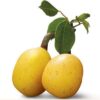
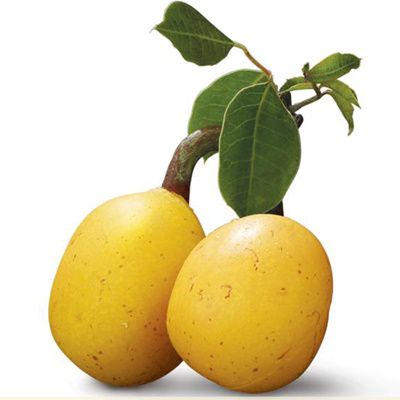
It is a medium to large tree, usually 9 m tall, but it can grow up to 18 m. It is single-stemmed, with a dense, spreading crown and deciduous foliage. Female and male flowers are separated, whether on the same tree or on different trees. The small flowers are pinkish-red in color. The plum-sized fruit is thick, very juicy and aromatic. When ripe, the fruit has a light yellow skin, with white, succulent flesh and a strong, distinctive and turpentine flavor. The tree is highly sensitive to frost and grows best in frost-free areas under warm conditions. It is adapted to dry and hot weather conditions.
Culinary Use
- The fermented fruit pulp is used to make traditional beer, commonly known as Mukumbi (Vhavenda people) or omagongo (Namibia). It is also famously used for the commercially produced Amarula cream liqueur.
- The pulp is used to make jams, jellies, juices, and syrups.
- Kernels are consumed raw or roasted, often mixed with other foods like vegetables or mashed into a paste.
- Oil (odjove) is extracted from the seeds for cooking and preserving meat.
- The roasted, dried skin of the fruit can be used as a coffee substitute.
Edible Parts
- Fruit Pulp: Juicy, mucilaginous white flesh that is eaten fresh or processed.
- Kernel/Nut: Highly nutritious, protein-rich white kernels found inside the hard, woody stone.
- Leaves: Used in some regions as a leafy vegetable or cooked as a relish.
Medicinal Benefits
- Bark: The primary part used for treating diarrhea, dysentery, malaria, stomach ailments, and fevers.
- Leaves: Used for indigestion (chewed fresh) and to stimulate milk production in nursing women.
- Roots: Used as a laxative.
- Fruit/Skin: Used to treat infections and as an insecticide.
Other Uses
- Cosmetics: The seed oil is used as a high-end moisturizer for skin and hair due to its high antioxidant content.
- Woodwork: The soft, light-red wood is used for furniture, carvings, panels, boats, and bowls.
- Dye & Ink: A red-brown dye is produced from the bark, and the tree gum is mixed with soot to create ink.
- Cordage: The inner bark is used to make strong rope.
- Ecological/Agricultural: It is planted to attract pollinators and as a shade tree, while the leaves and fruit are used as fodder for livestock.
Growing Marula Tree
Indoor Sowing: Late Winter and Early Spring.
Direct Sowing: Early Spring.
The best time to plant Marula seed is August-September. The seeds can be planted in the ground, but are better protected if planted in a pot or plastic planting bag.
Planting Method 1:
- Soak the seed stones/nuts overnight in warm water, and place them on damp, fluffy peat moss at room temperature for about a week or two.
- Fill black nursery bags with river sand.
- Plant the stones /nuts 1-2 cm under the surface.
- Place the pot/bag in the shade, protecting it from direct sunlight.
- Water the soil 3-4 times per week.
- Germination in 2 weeks.
Planting Method 2:
- Soak the seed stones / nuts overnight in warm water, and place them on damp, fluffy peat moss at room temperature for about a week or two. This softens the plugs found at the broad end—usually two per seed, sometimes one.
- The broad end should be carefully pared down with secateurs until the outline of the plug is visible.
- Then, using a small pocket knife carefully inserted into the plug outline, gently lever out the plug.
- Once this is done, the seed should be placed on the peat moss and kept moist at 25 °C.
- Plant the seed directly into black nursery bags filled with river sand and keep in a warm place in the shade until the seedlings appear.
- Germination in 2 weeks.
- Often more than one plant emerges, but all except one plant should be removed.
- Transplanting should be done while the plant is still small to prevent damaging the roots – a good size is when the plant has only two leaves. Transplanting of bigger seedlings is difficult without damaging the root and slowing down the growth of plant.
- It requires full sun, and grows quite quickly, with a growth rate of up to 1.5m per year.
Can this plant be used for culinary purposes?
Marula Tree is traditionally used for culinary purposes such as beer / wine and chutneys.
Does this plant have medicinal uses?
Traditionally, Marula Tree has a history of use in African Traditional Medicine. Seeds are sold for cultivation purposes only.
Disclaimer
Medicinal Information:
All medicinal information on this website is for educational and informational purposes only and may not be construed as medical advice. The information is not intended to replace medical advice or treatment offered by healthcare professionals.
Seeds, Plants, Plant Cuttings, Geophytes and Dried Herbs:
In some countries and provinces, certain plants are deemed as invasive and are not allowed to be planted at all, whilst some plants are allowed to be grown only in certain areas or provinces. The onus is on you as the buyer to familiarize yourself with the regulations pertaining to your location, before purchasing any of our seeds, plants, plant cuttings, geophytes or dried herbs. We will not be held liable, should you purchase any seeds, plants, plant cuttings, geophytes or dried herbs. from us which are prohibited in your country or province.
Related products