Giant Aconcagua Pepper – 5 Seeds
(Scoville heat units: 0)
R30.00
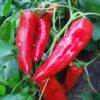
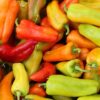
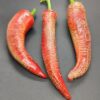
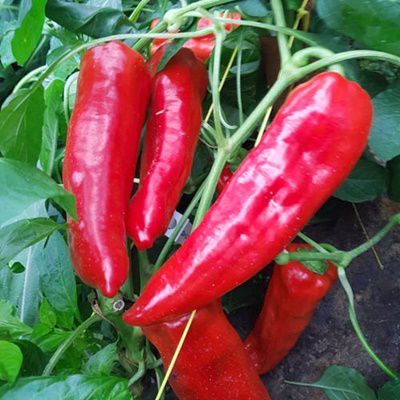
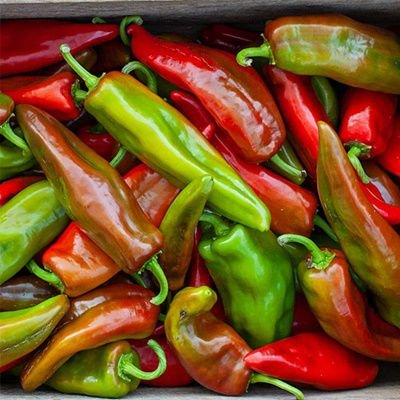
Giant Aconcagua Pepper is an Argentinian Heirloom. Considered the largest pepper in the world. Huge, long conical shaped fruits attain a size of 5cm wide and up to 25cm long sweet peppers.
Indoor Sowing: Mid Winter, Late Winter and Early Spring.
Direct Sowing: Not Recommended.
Out of Stock
Email me when the product is back in stock.
Giant Aconcagua Pepper Seeds. Argentinian Heirloom. Considered the largest pepper in the world, it was named after the highest mountain peak of the Andes (22,834 feet), and likewise the highest peak of both South and North America. It has a very sweet apple like flavor. Huge, long conical shaped fruits attain a size of 5cm wide and up to 25cm long sweet peppers. Fruits are very thick and rich in vitamins. Color ripens to light yellow for harvest and bright red at maturity, which is late. Delicious roasted and peeled. Used in salads, stuffed or even stir-fried.
Growing Giant Aconcagua Pepper
Indoor Sowing: Mid Winter, Late Winter and Early Spring.
Direct Sowing: Not Recommended.
- Sow seeds indoors in Mid Winter, Late Winter or Early Spring.
- Soak your seeds overnight in warm water to help them germinate faster.
- Place the seeds on top of the growing medium and cover with a thin layer of soil.
- Mist the soil with water daily so that it stays moist.
- For best germination, keep the soil between 23 and 26 degrees Celsius.
- The pots won’t require light until the seeds sprout.
- Sweet Pepper seeds germinate in about 30 days and Hot Pepper seeds in about 60 days, but it can also take longer.
- After the seeds have germinated, place the pot on a windowsill or in a heated greenhouse.
- When they are 2.5cm tall prick out seedlings, moving each into their own 10cm pot. Make sure the roots are well covered and the leaves are just above the surface of the soil.
- Water and place in a light spot indoors.
- While plants are still growing indoors, move into 13cm pots filled with general purpose compost when roots begin to show through the drainage holes in the base.
- When plants are about 20cm tall, or before if they start to lean, stake with a stick.
- Pinch out the tops of peppers when they are about 30cm tall to encourage lots of branches.
- Plants are ready to be placed outdoors once all danger of frost has passed.
- Either plant directly into the ground, spacing them 45cm apart or transfer them to 22cm pots to give them plenty of space to grow.
- Peppers take a long time to grow large enough from seeds to produce mature fruit, and they require a fairly long growing season.
- Make sure you water regularly, especially in hot weather and feed every two weeks with a general purpose liquid fertilizer. Feeding should start when the flowers first appear and should continue until the fruit have been harvested.
Related products
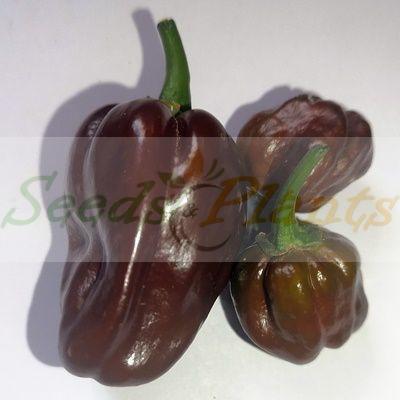
Chocolate Habanero Chilli Pepper – 10 Seeds
(Scoville heat units: 300,000 to 425,000)