Bitter Albizia – 5 Seeds
(Albizia amara)
R30.00
The Bitter Albizia tree is valued for livestock fodder, firewood, charcoal, traditional medicine, and as a natural hair wash/surfactant from leaf powder.
Common Names: Bitter albizia, bitter false-thorn, amar tree, Indian albizia, oil-cake tree, Krishna siris, Bittervalsdoring, Vendaland-valsdoring.
In stock
🌳 Tree Quick Facts
Uses
- ⓘ Plant Use: Firewood/Charcoal, Fodder, Hair Care, Medicinal
Tree Info
- 🌲 Tree Features: Flowering
- 🌿 Foliage Type: Deciduous
- 📏 Mature Height: 6-15m
- 🌸 Flower Color: Creamy White, Pale yellow, Pinkish White
Medicinal Info
- 🌿 Medicinal Part: Bark, Leaf, Root, Seed
- 🥣 Herbal Preparation: Decoction, Extract / Tincture, Paste, Powder
- ⚕️ Healing System: African Traditional Medicine, Ayurvedic System of Medicine
Growth Traits
- 🌱 Life Cycle: Perennial
- 🌾 Plant Type: Tree
- 🪴 Growth Habit: Rounded crown, Upright
Growing Requirements
- 🌞 Sun Exposure: Full Sun
- 💧 Water Needs: Low Water
- ☀️ Growing Conditions: Drought Tolerant, Heat Tolerant, Moderate Cold Tolerance, Moderate Frost Tolerance
- 🟤 Soil Preference: Gravel, pH 4.7 - 7.8, Sandy, Well-Drained
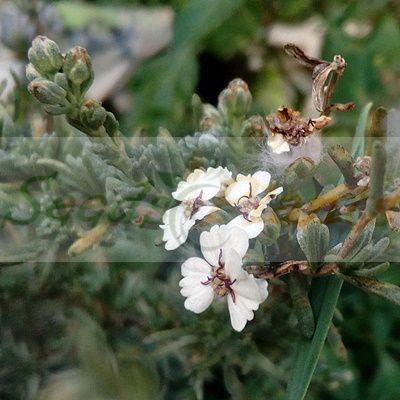
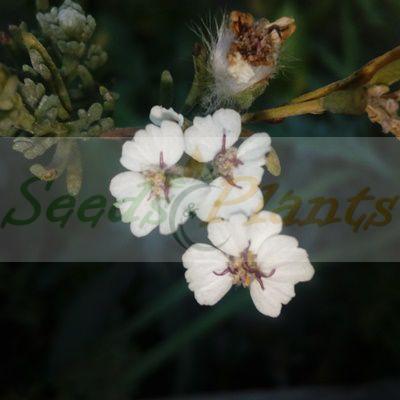
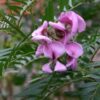
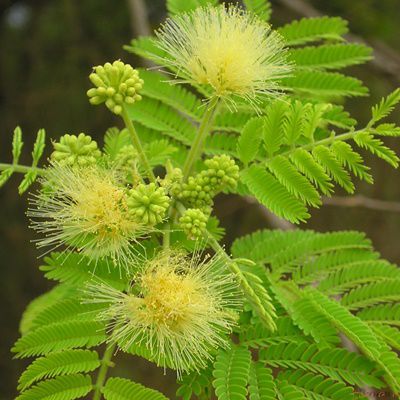
Bitter Albizia (Albizia amara) is a small-to-medium deciduous tree resembling an acacia but completely without thorns. It features feathery, bipinnate pale green leaves, scaly grey-green bark, and fragrant, powder-puff flower heads. The flowers are creamy-white, pale yellow, or pinkish-yellow. It thrives in hot, dry tropical regions. It is native to tropical and subtropical Africa as well as India and Sri Lanka.
The tree is valued for livestock fodder, firewood, charcoal, traditional medicine, and as a natural hair wash/surfactant from leaf powder.
Common Names: Bitter albizia, bitter false-thorn, amar tree, Indian albizia, oil-cake tree, Krishna siris, Bittervalsdoring, Vendaland-valsdoring.
Traditional Medicinal Uses
- Skin and Wound Care: Treating ulcers, boils, scaly skin conditions, and leprosy symptoms.
- Gastrointestinal Relief: Managing diarrhea and dysentery using bark astringent properties.
- Antimicrobial & Anti-inflammatory: Reducing swelling, easing pain, and fighting bacterial strains.
- Hair & Body Cleansing: Traditional use of leaf saponins as a natural surfactant shampoo.
- Ethnoveterinary Applications: Managing tick infestations and mastitis in cattle.
Growing Bitter Albizia
Indoor Sowing: Late Winter & Early Spring
Direct Sowing: Late Spring.
- Soften the hard seed coat by soaking the seeds in nearly boiling water (removed from heat source) and letting them steep in warm water for 12 to 24 hours.
- Use a well-draining mix (such as equal parts sand, compost/soil, and loam).
- Cover the seeds lightly with a thin layer of soil (about 5 mm to 1 cm deep).
- Germination in about 15 – 30 days, but may take longer.
Related products