

Hot Biscuit Amaranth – 50 Seeds
(Amaranthus cruentus 'Hot Biscuits')
R30.00
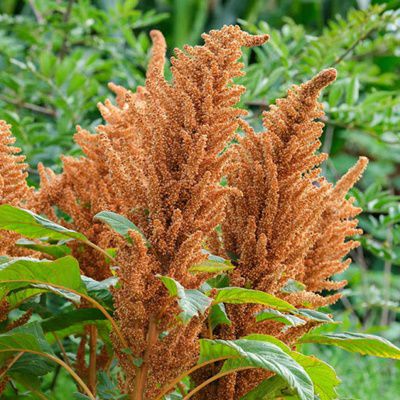
Hot Biscuit Amaranth features towering, well-branched spikes of golden-brown and bronze plumes that resemble corn or rustic wheat.
Indoor Sowing: Spring and Summer.
Direct Sowing: Spring and Summer.
Out of Stock
Email me when the product is back in stock.
🥕 Vegetable Quick Facts
Vegetable Info
- 🍽️ Culinary Use: Cooked greens, Flour, Grain Substitute, Porridge, Salads, Soups and Stews
- 🥗 Edible Part: Leaf, Seed, Stem
- 😋 Flavor Profile: Nutty, Spinach-like
Growth Traits
- 🌱 Life Cycle: Annual
- 🌾 Plant Type: Herbaceous plant
- 🪴 Growth Habit: Bushy, Tall Growing, Upright
Growing Requirements
- 🌞 Sun Exposure: Full Sun
- 💧 Water Needs: Avoid Overwatering, Low Water
- ☀️ Growing Conditions: Drought Tolerant, Frost Sensitive, Heat Tolerant, Not Cold Tolerant
- 🟤 Soil Preference: Moderately Fertile, pH 6.0 - 7.0, Poor Soil Tolerant, Tolerant of most soils, Well-Drained
Hot Biscuit Amaranth (Amaranthus cruentus ‘Hot Biscuits’) features towering, well-branched spikes of golden-brown and bronze plumes that resemble corn or rustic wheat. The flowers contrast beautifully with the plant’s vibrant green, pointed leaves. The plant typically grows between 1 to 1.8 meters tall and produces multiple branching stems.
Hot Biscuit Amaranth Culinary Uses
Amaranth was an important food crop for the Aztecs and Incas. It is also used as a food crop by many people in South Africa.
- The seeds and the young leaves are edible.
- The youngest leaves are good to use in salads.
- The mature leaves are better cooked like spinach.
- The leaves can also be sauteed with chilies and spices.
- Anything you would use spinach for, just use amaranth leaves exactly the same way.
- The iron and calcium rich seeds can be dried and then cooked and eaten as you would oatmeal or porridge, or ground into a flour.
Growing Hot Biscuit Amaranth
Indoor Sowing: Spring and Summer.
Direct Sowing: Spring and Summer.
- Direct sow Amaranth seeds into prepared seed beds after all danger of frost in groups of 4 seeds spaced 18-24 inches apart.
- Thin to the strongest plant.
- Or, scatter seed over ground that has had the top 1 inch of soil loosened. Rake seed in lightly, walk over area to firm soil.
- Keep moist until germination. Amaranthus seed is easy to germinate provided the soil is warm.
- Seed can also be started indoors in cell packs or containers.
- Kept at 18 – 21 Celsius , germination is in 10-21 days.
- Grow in full or part sun.
- Plants tolerate high heat, and will grow in any soil as long as drainage is good.
- Amaranthus will grow faster, produce more flowers with regular water, but will tolerate some drought once established.
- Seed heads attract birds.
Related products