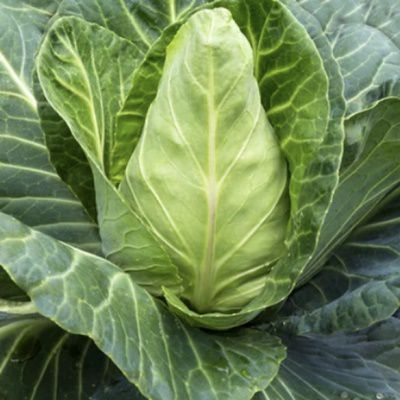
Cape Spitz Cabbage – 100 Seeds
(Brassica oleracea)
R30.00
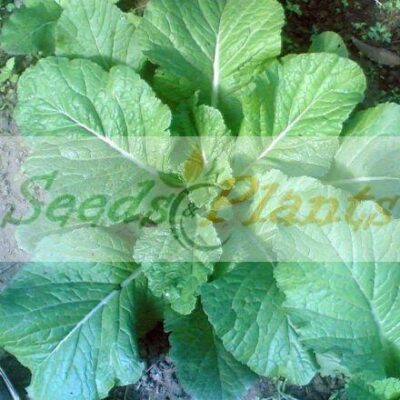
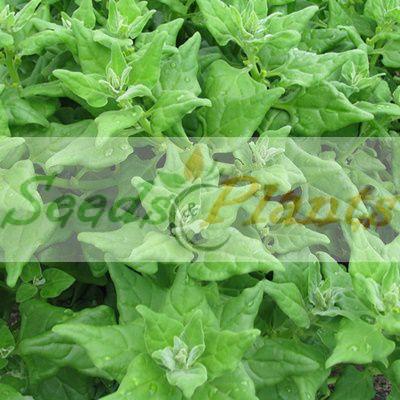
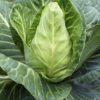
Cape Spitz Cabbage (Sugar Loaf) is a sweet tasting cabbage unique to South Africa. It produces large, conical shaped heads and thrives in the warmer climate.
Indoor Sowing: Late Winter and Early Spring.
Direct Sowing: Late Summer, Autumn and Early Spring.
Only 2 left in stock
🥕 Vegetable Quick Facts
Vegetable Info
- 🥬 Vegetable Type: Leafy Green
- 🍽️ Culinary Use: Boiled / Steamed, Salads, Slaw, Stir-frying
- 🥗 Edible Part: Leaf, Terminal Head
- 😋 Flavor Profile: Mild, Sweet
Growth Traits
- 🌱 Life Cycle: Biennial (Grown as Annual)
- 🪴 Growth Habit: Upright
Growing Requirements
- 🌞 Sun Exposure: Full Sun
- 💧 Water Needs: High Water
- ☀️ Growing Conditions: Cold Tolerant, Frost Tolerant, Heat Tolerant, Low drought tolerance
- 🟤 Soil Preference: Loam, pH 6.0 - 7.0, Rich Organic, Well-Drained
Cape Spitz Cabbage (Sugar Loaf) is a sweet tasting cabbage unique to South Africa. It produces large, conical shaped heads and thrives in the warmer climate. Seeds can be planted all year round in seed trays and transplanted at 10cm tall. Plants are fast-growing and reliable and cabbage heads can be harvested after approximately 80 days.
Culinary Uses
- Fresh Salads and Slaws: Its naturally sweet flavor makes it the perfect base for coleslaw or simple vinegar and sesame slaws, as the leaves don’t turn bitter.
- Tender Stuffed Cabbage: The yielding texture of Spitz leaves makes it the gold standard for stuffed cabbage rolls, allowing the leaves to wrap beautifully without cracking or becoming mushy.
- Quick Stir-Fries: Because of its thin leaves, it cooks much faster than standard round cabbage, making it an excellent addition to stir-fries and noodle dishes.
- Braised or Steamed: It can be cut into wedges and pan-braised in a spiced tomato broth or steamed gently with butter and seasonings to yield a melt-in-the-mouth side dish.
Growing Cape Spitz Cabbage
Indoor Sowing: Late Winter and Early Spring.
Direct Sowing: Late Summer, Autumn and Early Spring.
- In South Africa, cabbage can be planted throughout the year, except in the Highveld where is should not be planted between Late autumn and winter and also not in the summer months in the Lowveld, or any other region which experiences very hot and humid conditions.
- Start Cabbage Seeds indoors 6-8 weeks before the last expected frost.
- Use a good quality seed-starting mix and provide bright, indirect light.
- Keep the soil consistently moist, but not soggy.
- Once seedlings have developed 3-4 true leaves and have a developed root system, they are ready for transplanting.
Related products