

Kuroda Carrot – 200 Seeds
(Daucus carota)
R30.00
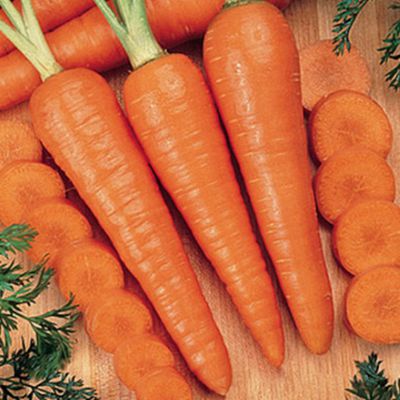
High quality, uniform roots which are smooth with a wedge shape and up to 18cm long, 6cm diameter.
Indoor Sowing: Not Recommended.
Direct Sowing: Late Winter, Early Spring, Mid Spring, Late Summer, Early Autumn and Mid Autumn.
Only 4 left in stock
🥕 Vegetable Quick Facts
Vegetable Info
- 🥬 Vegetable Type: Root Vegetable
- 🍽️ Culinary Use: Cooking, Garnish, Pesto, Raw Eating, Salads, Soups and Stews, Stir-frying
- 🥗 Edible Part: Flower, Leaf, Root, Stem
- 😋 Flavor Profile: Earthy, Sweet
Growth Traits
- 🌱 Life Cycle: Biennial (Grown as Annual)
- 🌾 Plant Type: Herbaceous Biennial
- 🪴 Growth Habit: Bushy, Low-Growing
Growing Requirements
- 🌞 Sun Exposure: Full Sun, Partial Shade
- 💧 Water Needs: Avoid Overwatering, Regular Water
- ☀️ Growing Conditions: Cold Tolerant, Frost Tolerant, Moderate Heat Tolerance, Moderately Drought Tolerant
- 🟤 Soil Preference: Deep, Loam, Loose, pH 6.0 - 7.0, Sandy, Well-Drained
Kuroda Carrot was originally developed in Asia in the 1950s. It is a refined Chantenay carrot strain with roots up to 18cm long and 6cm diameter. High tolerance to heat and leaf blight. High quality, uniform roots which are smooth with a wedge shape. Market uses include bunching, home gardening and processing.
Growing Kuroda Carrot
Indoor Sowing: Not Recommended.
Direct Sowing: Late Winter, Early Spring, Mid Spring, Late Summer, Early Autumn and Mid Autumn.
- For a summer harvest, sow the carrot seeds outdoors 3 to 5 weeks before the last spring frost date.
- For an autumn harvest, sow the carrot seeds in late summer.
- Carrots need a location that receives full sunlight, though they can tolerate partial shade, too.
- Plant growth is optimal between temperatures of 15°C to 20°C.
- The best soil for carrots is deep sandy loam or loamy soils with a loose structure.
- If your ground soil is heavy clay or too rocky, you should consider planting carrots in a raised bed.
- Sow the carrot seed directly in the beds.
- Make small furrows 1cm deep and about 20cm to 30cm apart.
- Sow the seeds about 2cm apart in the furrows.
- Water the beds well after sowing.
- Germination takes about seven to 14 days.
- Water the carrot plants at least one inch per week, then two inches as roots mature.
- Sow carrots at 3-week intervals for a continuous harvest.
Related products
Out of stock

Out of stock