Egyptian Spinach – 50 Seeds
(Corchorus olitorus)
R30.00
It is a leafy green known for its high vitamin and mineral content.
Common names: Egyptian spinach, Indian jute, wild jute, bush okra, Jew’s mallow, West African sorrel, jute mallow, tossa jute (Eng.); wilde jute, Indiese jute (Afr.); delele (Tshivenda); thelele (Sepedi); gushe (Xitsonga).
Indoor Sowing: Not Recommended.
Direct Sowing: Late Spring and Early Summer.
Only 1 left in stock
🥕 Vegetable Quick Facts
Uses
- ⓘ Plant Use: Cosmetics/Skincare, Culinary, Fibre, Fodder, Medicinal
Vegetable Info
- 🥬 Vegetable Type: Leafy Green
- 🍽️ Culinary Use: Binding/Thickening, Boiled / Steamed, Soups and Stews, Spinach substitute
- 🥗 Edible Part: Leaf, Shoots
- 😋 Flavor Profile: Grassy, Savory, Slightly Bitter
Medicinal Info
- 🌿 Medicinal Part: Leaf, Root, Seed, Stem
- 🥣 Herbal Preparation: Decoction, Dried, Infusion / Tea, Poultice, Powder
- ⚕️ Healing System: African Traditional Medicine, Ayurvedic System of Medicine
Growth Traits
- 🌱 Life Cycle: Annual
- 🌾 Plant Type: Herbaceous Annual
- 🪴 Growth Habit: Upright
Growing Requirements
- 🌞 Sun Exposure: Full Sun
- 💧 Water Needs: Avoid Overwatering, High Water
- ☀️ Growing Conditions: Frost Sensitive, Heat Tolerant, Humid Conditions, Low Cold Tolerance, Low drought tolerance
- 🟤 Soil Preference: Clay, Fertile, Loam, Moist, pH 4.5-8.2, Rich Organic, Sandy, Well-Drained
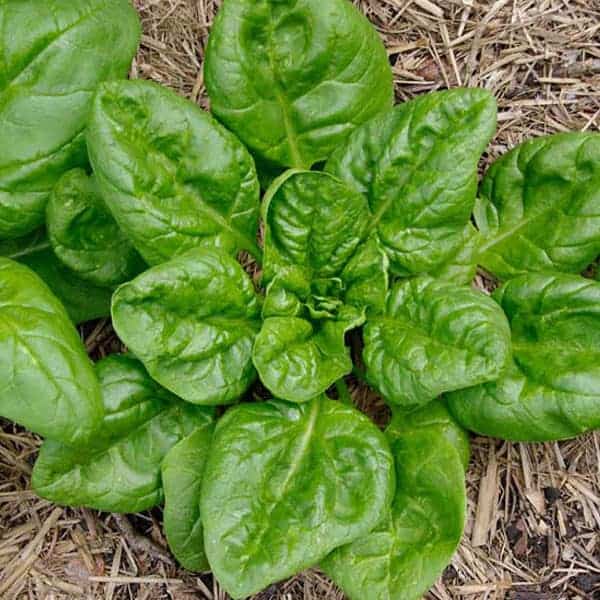
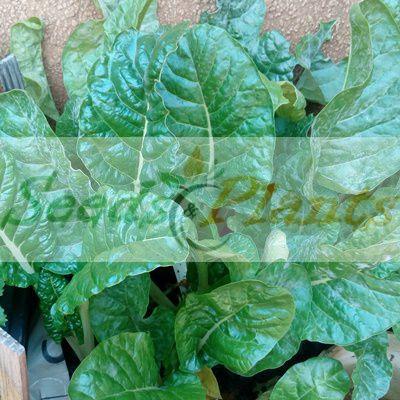
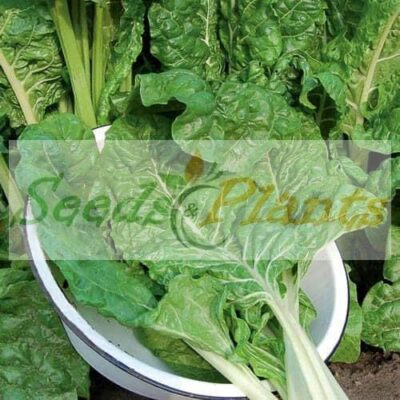
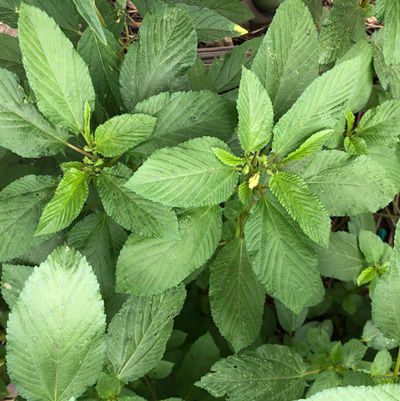
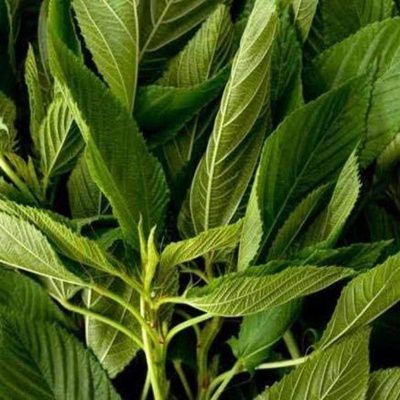
Egyptian Spinach (Corchorus olitorius) produces tasty leaves and edible seed pods. It has a long history of use in the middle east as a super green known for its high vitamin and mineral content. It is also a very popular leafy vegetable in the northern and eastern regions of South Africa. Younger leaves can be eaten raw in salads, on sandwiches and the older leaves cooked or dried. Use leaves as you would spinach. Easy to grow and ready to harvest in just two months.
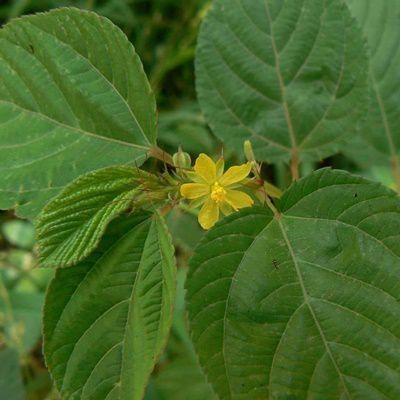
It is an an erect, annual quick growing plant and can reach a height from 20 cm to approximately 1.5m. The fruit is a cylindrical capsule with many seeds. The flowers are small, 2 to 3 cm in diameter and yellow, with five petals. It can be harvest and topped when young for more lateral growth or clear cut when tall and replanted. If grown out to maturity the stalks can be processed to make the fibrous material jute.
Common names: Egyptian spinach, Indian jute, wild jute, bush okra, Jew’s mallow, West African sorrel, jute mallow, tossa jute (Eng.); wilde jute, Indiese jute (Afr.); delele (Tshivenda); thelele (Sepedi); gushe (Xitsonga).
Egyptian Spinach Culinary Uses
- Soups and Stews: The leaves are often cooked into a slimy, mucilaginous soup (similar to okra), such as the Nigerian Ewedu soup, which is often served with stew and amala (yam flour porridge).
- Preparation Methods: The leaves can be boiled, steamed, or fried. Common dishes include Guxe in Limpopo (South Africa) and Molokhia in Egypt.
- Thickener: Due to their viscous texture when cooked, the leaves are used as a natural thickener in soups.
- Dried Leaves: Dried leaves can be used in teas or as a soup thickener.
- Alternative Uses: Fresh leaves are sometimes used in salads or smoothies, while young dried leaves are occasionally used as a tea alternative.
Medicinal Uses
- Digestive Health: Its slimy consistency is used to treat digestive issues, including constipation, dysentery, stomach aches, and ulcers.
- Immunity and Pain: Leaves are used to treat headaches, fever, tumors, and aches. Cold infusions are used to restore appetite and strength.
- Chronic Diseases: It is utilized in managing diabetes, obesity, and cardiovascular diseases, potentially helping to lower blood glucose and cholesterol levels.
- Urinary and Reproductive Health: It is used as a diuretic and to treat cystitis and dysuria (painful urination). It is also employed as a remedy for gonorrhea.
- Root Use: Root decoctions are used to treat toothaches and act as a tonic for strengthening.
Other Uses
- Fiber Production: The stem of the plant is a major source of fiber (jute), which is used to make twine, bags, and fabric.
- Cosmetics: Extracts from the plant are used in skin care products, such as lotions, facial moisturizers, and hand creams.
- Animal Feed: The plant is also used as fodder for livestock.
Growing Egyptian Spinach
Indoor Sowing: Not Recommended.
Direct Sowing: Late Spring and Early Summer.
- This plant is very tolerant of moist soil types and can grow in neutral and acidic soil.
- Must be grown in full sun.
- Direct sow the seeds when the temperature is around 25 °C.
- Surface sow the seeds and cover with a thin layer of soil.
- Water gently and keep the growing medium moist until germination.
- Germination takes about 14 days.
- Once each plant has developed 6 to 7 leaves, thin them out to a spacing of 38 cm.
- It is not frost and drought tolerant. It is a heat tolerant plant that loves water so make sure to keep it moist.
- It can be kept as a perennial in warm climates, but grows best as an annual for more tender new growth.
- Can be grown in containers.
Related products