


New Zealand Spinach – 20 Seeds
(Tetragonia tetragonioides)
R30.00
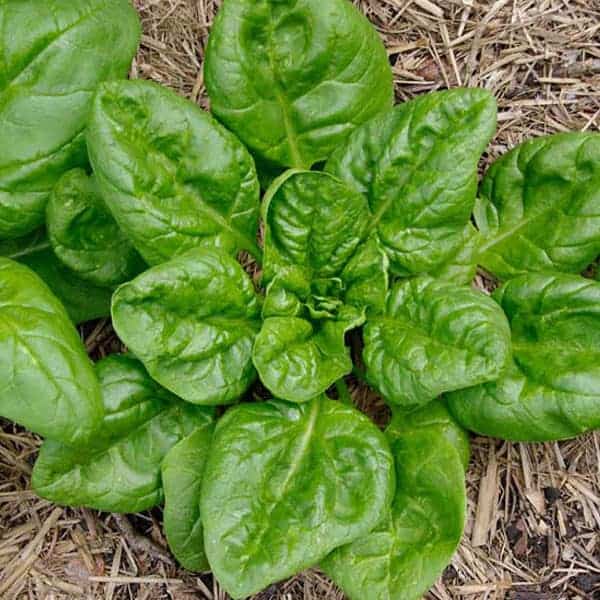
New Zealand Spinach is grown for the edible leaves, and can be used as food or as an ornamental and delicious ground cover. It thrives in hot weather, and is considered an heirloom vegetable.
Common Names: New Zealand spinach, Warrigal greens, kōkihi, sea spinach, Botany Bay spinach, tetragon and Cook’s cabbage.
Indoor Sowing: Not Recommended.
Direct Sowing: Spring and Early Summer.
In stock
🥕 Vegetable Quick Facts
Uses
- ⓘ Plant Use: Culinary, Medicinal
Vegetable Info
- 🥬 Vegetable Type: Leafy Green
- 🍽️ Culinary Use: Boiled / Steamed, Pesto, Soups and Stews, Spinach substitute, Stir-frying
- 🥗 Edible Part: Leaf, shoot tips
- 😋 Flavor Profile: Grassy, Salty
Medicinal Info
- 🌿 Medicinal Part: Leaf, Root, Stem
- 🍵 Herbal Preparation: Decoction, Infusion / Tea, Paste, Powder
- ⚕️ Healing System: Aboriginal Traditional Medicine, African Traditional Medicine
Growth Traits
- 🌱 Life Cycle: Annual
- 🌾 Plant Type: Succulent Creeper
- 🪴 Growth Habit: Creeper, Low-Growing, Spreading
Growing Requirements
- 🌞 Sun Exposure: Full Sun, Partial Shade
- 💧 Water Needs: Avoid Overwatering, Moderate Water
- ☀️ Growing Conditions: Drought Tolerant, Frost Sensitive, Heat Tolerant, Not Cold Tolerant
- 🟤 Soil Preference: Fertile, pH 5.8-7.5, Tolerant of most soils, Well-Drained
New Zealand Spinach Seeds. Tetragonia tetragonioides is a leafy groundcover also known as New Zealand spinach, Warrigal greens, kōkihi (Māori language), sea spinach, Botany Bay spinach, tetragon and Cook’s cabbage. It is native to New Zealand, Australia, Japan, Chile and Argentina.
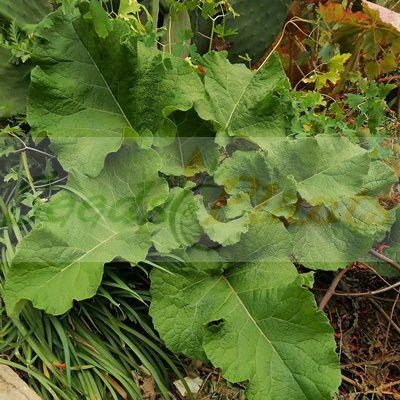
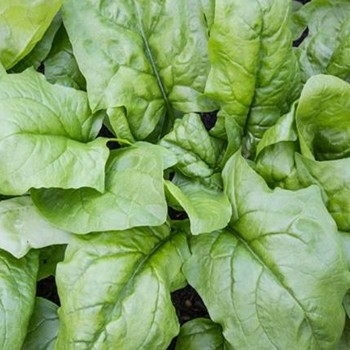
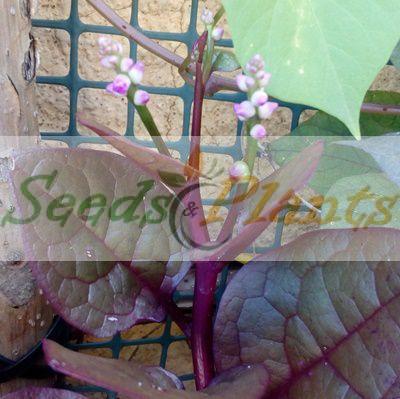
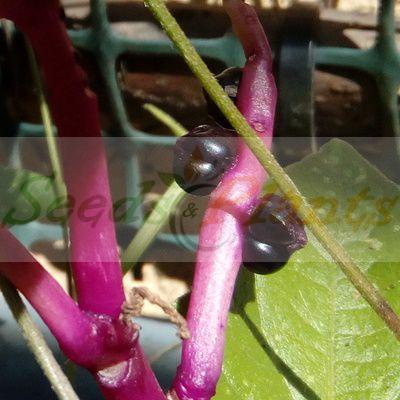
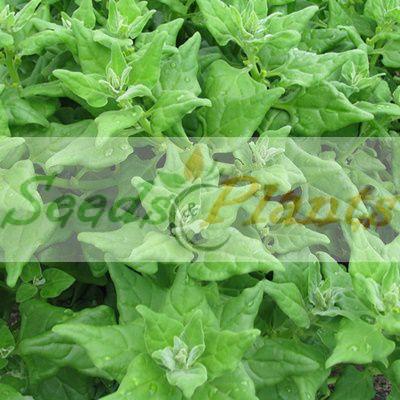
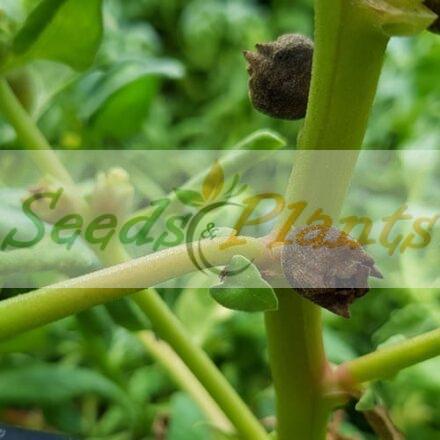
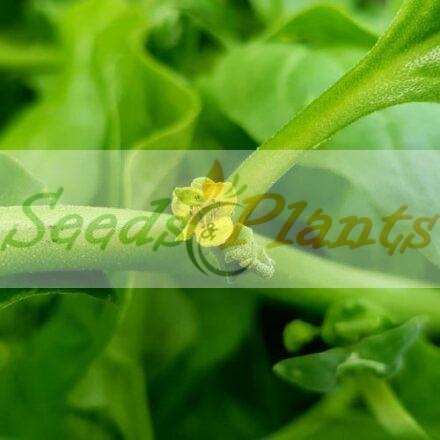
The species prefers a moist environment for growth. The plant has a trailing habit, and will form a thick carpet on the ground or climb though other vegetation and hang downwards. The leaves of the plant are 3–15 cm long, triangular in shape, and bright green. The leaves are thick, and covered with tiny papillae that look like water drops on the top and bottom of the leaves. The flowers of the plant are yellow, and the fruit is a small, hard pod covered with small horns. The plant is a halophyte and grows well in saline ground.
This is a perfect spinach type of plant, to grow in south Africa’s hot weather. Few insects will bother it, not even slugs and snails. The plant can be quite invasive, so if you do not want to grow it as a ground cover, then growing it inside a pot or planter to contain it, will be the way to go. It can be grown as a perennial in hot climates where the winters are warm. In South Africa it grows as an annual, but it does reseeds readily, so you only need to plant it once.
New Zealand Spinach Culinary Uses
- Sautéed and Stir-fried: Excellent when stir-fried with garlic, ginger, chilli, or Asian sauces, as they maintain their structure under high heat.
- Savory Fillings & Pastries: Frequently used in quiches, frittatas, savory pastries, dumplings, and pies (often combined with feta, ricotta, or parmesan).
- Soups and Stews: Can be added to stews or wilted into soups just before serving.
- Pesto: Blanched leaves can be blended into a unique pesto.
- Steamed Side Dish: Simply steamed and served as a nutritious green, often finished with butter or lemon juice.
- Fusion Dishes: Used on pizzas, in risottos, or as a component in modern Australian “bush tucker” cooking.
Medicinal Uses
- Gastrointestinal Health: Traditionally used to treat dyspepsia, gastric ulcers, gastritis, and gastric hypersecretion.
- Anti-inflammatory & Antioxidant: Research indicates the presence of 6-methoxyflavonols, which provide significant antioxidant and anti-inflammatory properties, potentially inhibiting inflammation.
- Metabolic Benefits: Studies suggest it may have anti-obesity and anti-hyperuricemic (lowers uric acid) effects, as shown in studies on high-fat diet mice.
- Immune System & Other: Used in some traditional practices as a blood tonic, to treat menstrual pain, or to combat cold and flu symptoms.
Growing New Zealand Spinach
Indoor Sowing: Not Recommended.
Direct Sowing: Spring and Early Summer.
- Scarifying the top of the seeds first, helps with the germination rate.
- The seeds should be soaked for 12 hours in cold water, or 3 hours in warm water, before planting.
- Sow the seeds in spring and early summer.
- Seeds should be planted 5 to 10 mm deep, and spaced 15 to 30 cm apart.
- The plant does not transplant well, so sow the seeds where it is to grow.
- Can be grown in full sun, provided that you water it regularly, as the plant prefers moist soil. Grows well in partial shade.
Can this plant be used for culinary purposes?
New Zealand Spinach is traditionally used for culinary purposes such as boiled / steamed and pesto.
Does this plant have medicinal uses?
Traditionally, New Zealand Spinach has a history of use in various healing systems, including Aboriginal Traditional Medicine and African Traditional Medicine. Seeds are sold for cultivation purposes only.
Disclaimer
Medicinal Information:
All medicinal information on this website is for educational and informational purposes only and may not be construed as medical advice. The information is not intended to replace medical advice or treatment offered by healthcare professionals.
Seeds, Plants, Plant Cuttings, Geophytes and Dried Herbs:
In some countries and provinces, certain plants are deemed as invasive and are not allowed to be planted at all, whilst some plants are allowed to be grown only in certain areas or provinces. The onus is on you as the buyer to familiarize yourself with the regulations pertaining to your location, before purchasing any of our seeds, plants, plant cuttings, geophytes or dried herbs. We will not be held liable, should you purchase any seeds, plants, plant cuttings, geophytes or dried herbs. from us which are prohibited in your country or province.
Related products