
Vegetable Comparisons
Determinate vs Indeterminate Tomatoes
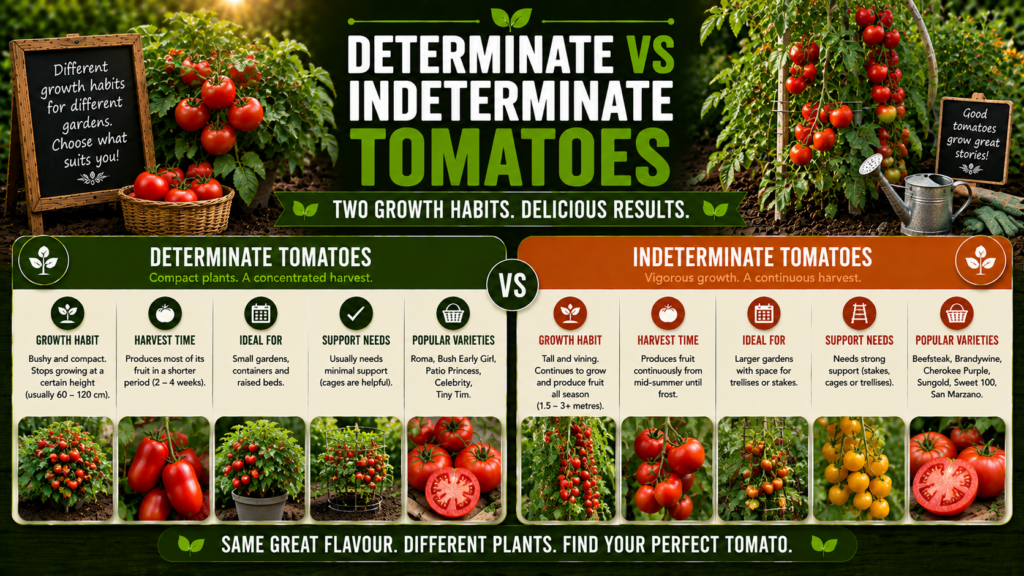
Tomatoes are one of the most popular vegetables to grow at home.
They can be grown in garden beds, containers, raised beds and even smaller urban gardens.
But when you start looking at different tomato varieties, you may come across two terms that can be rather confusing:
Determinate and indeterminate.
These terms describe the plant’s growth habit and, importantly, how and when the plant produces its fruit.
Understanding the difference can help you choose tomato varieties that suit your available space, growing conditions and the amount of support you are able to provide.
Determinate vs Indeterminate Tomatoes at a Glance
| Feature | Determinate Tomatoes | Indeterminate Tomatoes |
|---|---|---|
| Growth habit | More compact and bushy | Continues growing and producing new shoots |
| Plant size | Generally more limited | Can become considerably larger |
| Fruiting | Main crop tends to develop over a shorter period | Fruit develops over an extended period |
| Harvest | Often concentrated | Usually spread over a longer season |
| Pruning | Usually limited | May benefit from pruning and training |
| Support | Often benefits from support | Usually requires stronger support |
| Containers | Many varieties work well | Possible, but needs adequate container and support |
| Best suited to | Smaller spaces and concentrated harvests | Gardeners wanting an extended harvest |
These are general characteristics.
The exact growth habit and size can vary between varieties.
What Is a Determinate Tomato?
A determinate tomato has a more limited growth habit.
The plant tends to grow to a particular size and then puts more of its energy into flowering and fruit production.
This results in a relatively compact plant compared with many indeterminate varieties.
Determinate tomatoes are sometimes described as bush tomatoes.
They can be particularly useful for gardeners who have limited space.
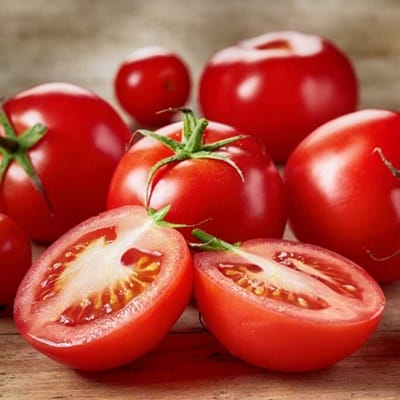
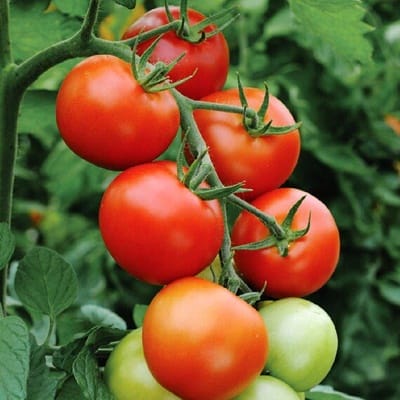
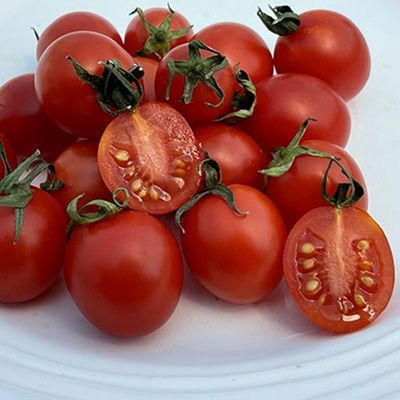
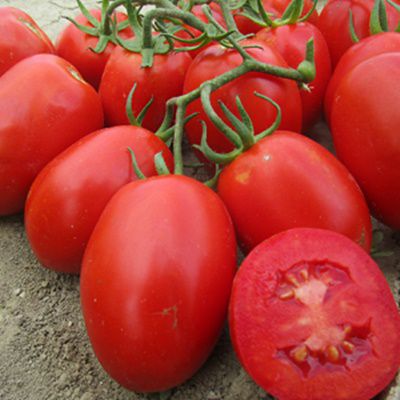
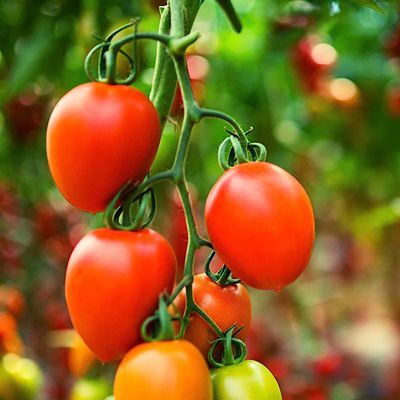
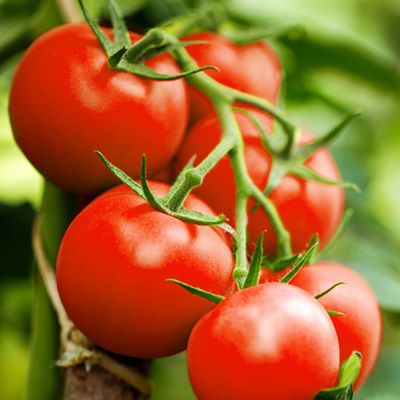
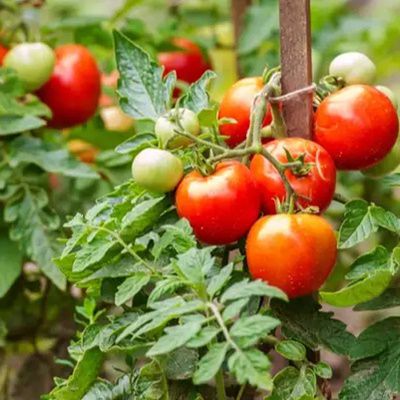
Some of our Determinate Tomato Varieties
How Do Determinate Tomatoes Grow?
Determinate plants generally produce a number of stems and branches before reaching their natural mature size.
Flower clusters develop towards the ends of the growing shoots.
Once the plant has reached its genetic limit for growth, it tends to stop producing large amounts of new vegetative growth.
The result is often a plant that produces a relatively concentrated crop.
When Do Determinate Tomatoes Fruit?
Determinate tomatoes tend to produce much of their crop within a relatively concentrated period.
This can be useful if you want a larger quantity of tomatoes available around the same time.
For example, a gardener who wants tomatoes for:
- Sauces
- Preserving
- Bottling
- Cooking
- Freezing
may appreciate a concentrated harvest.
However, the exact timing depends on the variety and growing conditions.
What Is an Indeterminate Tomato?
An indeterminate tomato continues producing new stems and leaves throughout the growing season when conditions are suitable.
Rather than stopping at a predetermined size, the plant can continue growing taller and wider.
Many traditional garden tomatoes fall into this category.
They can produce fruit over a much longer period than determinate types.
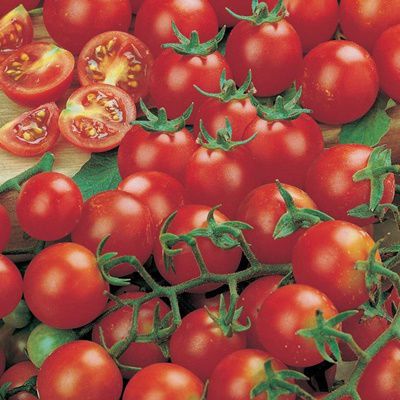
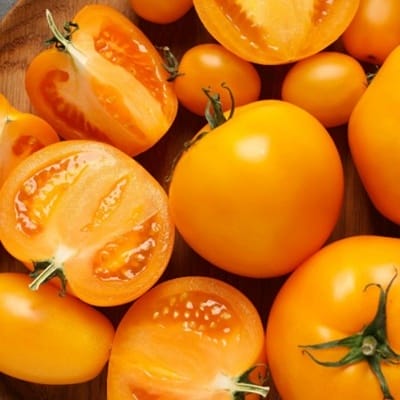
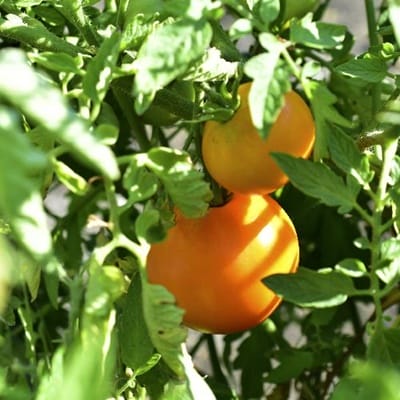
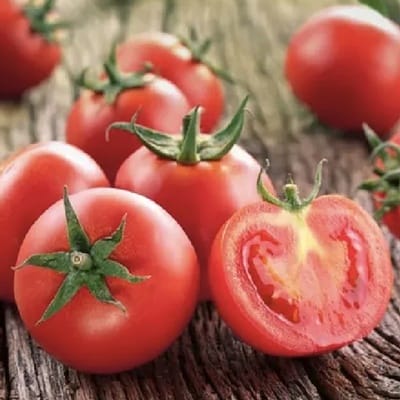
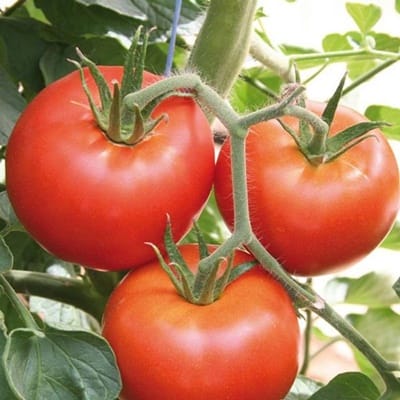
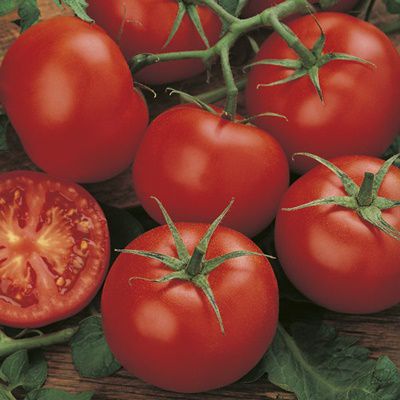
Some of our Indeterminate Tomato Varieties
How Do Indeterminate Tomatoes Grow?
Indeterminate plants continue producing new growth from their growing points.
They can become quite large if they are not supported.
Depending on the variety and growing conditions, an indeterminate tomato can grow well beyond the size of a typical compact bush tomato.
This is why staking, caging or trellising is often important.
When Do Indeterminate Tomatoes Fruit?
Indeterminate tomatoes generally produce fruit over an extended period.
Once the plant begins flowering, new flowers and fruit can continue developing as the plant produces additional growth.
This can provide a steady supply of tomatoes rather than one concentrated harvest.
Determinate vs Indeterminate: Harvest Difference
One of the easiest ways to remember the difference is:
Determinate = more concentrated harvest
Indeterminate = extended harvest
This isn’t an absolute rule, but it is a useful general guide for beginners.
Which Type Produces More Tomatoes?
There isn’t a simple answer.
Total production depends on:
- Variety
- Plant health
- Growing conditions
- Length of growing season
- Plant spacing
- Nutrition
- Water
- Pest and disease pressure
A determinate plant can produce an excellent crop in a relatively short period.
An indeterminate plant can continue producing fruit for much longer.
So instead of asking which produces more, consider when and how you want your tomatoes.
Determinate Tomatoes for Small Gardens
Determinate varieties can be particularly useful where space is limited.
They generally remain more compact and can be easier to manage in:
- Small gardens
- Raised beds
- Patios
- Courtyards
- Containers
However, compact does not mean that support is unnecessary.
Heavy fruit can still cause branches to bend or break.
Indeterminate Tomatoes for Larger Spaces
Indeterminate tomatoes are particularly useful when you have room for vertical growth.
They can be trained upwards using:
- Stakes
- Trellises
- Tomato cages
- String supports
With suitable support, you can make better use of vertical space rather than allowing the plant to spread across the ground.
Do Determinate Tomatoes Need Staking?
They often benefit from support.
Although determinate plants are generally shorter, they can still become heavy with fruit.
A simple stake or suitable tomato cage can help keep the plant upright.
Supporting the plant also keeps fruit and foliage off the ground.
Do Indeterminate Tomatoes Need Staking?
Yes, usually.
Because indeterminate plants continue growing, they can become tall and heavy.
Without support, branches may bend, break or sprawl across the ground.
A strong support system is particularly important once the plant begins carrying fruit.
Pruning Determinate Tomatoes
Determinate tomatoes generally require less pruning than indeterminate varieties.
Excessive pruning can remove foliage that the plant needs for photosynthesis.
For most home gardeners, the priority should be:
- Removing damaged or diseased growth
- Keeping the plant supported
- Improving airflow where necessary
- Removing growth that is clearly causing problems
Always check the recommendations for your specific variety.
Pruning Indeterminate Tomatoes
Indeterminate tomatoes are more commonly pruned and trained.
Some gardeners remove selected side shoots, often called suckers, to manage the plant’s growth.
Others allow several stems to develop.
There is no single pruning method that works for every variety or every garden.
The main goal is to keep the plant manageable, well supported and reasonably open to airflow.
What Are Tomato Suckers?
A sucker is a side shoot that develops from the point where a leaf joins the main stem.
On indeterminate tomatoes, these shoots can develop into additional stems.
Some gardeners remove selected suckers to keep the plant within the available space.
Others allow them to grow because additional stems can produce more flowers and fruit.
Whether to remove them depends on the variety, support system and growing conditions.
Should You Remove All Tomato Suckers?
Not necessarily.
Removing every side shoot is not automatically better.
Leaves and stems contribute to photosynthesis and fruit production.
Heavy pruning can expose fruit to excessive sunlight and may reduce the plant’s ability to produce energy.
If you prune, do so selectively and with a clear reason.
Determinate Tomatoes in Containers
Determinate varieties can be particularly convenient for container gardening because of their generally compact growth.
Choose a container that is large enough for the mature plant and provide good drainage.
The plant may still require:
- Regular watering
- Feeding
- Support
- Plenty of sunlight
Remember that containers dry out more quickly than garden soil, especially during hot weather.
Indeterminate Tomatoes in Containers
Indeterminate tomatoes can also be grown in containers.
However, they require more planning.
You need:
- A sufficiently large container
- A suitable growing medium
- Strong support
- Regular watering
- Adequate nutrition
- Enough space for vertical growth
A large indeterminate plant in a tiny container can quickly become difficult to manage.
Tomato Containers and South African Heat
South African summers can be hot, and container-grown tomatoes can dry out quickly.
This is particularly important when growing tomatoes on:
- Balconies
- Patios
- Paved areas
- Rooftops
- Against heat-reflecting walls
Check the moisture level regularly during hot weather.
Mulching the surface of the growing medium can also help reduce moisture loss.
How Much Sun Do Tomatoes Need?
Tomatoes generally perform best with plenty of sunlight.
A sunny location helps support strong growth and fruit production.
However, extremely high temperatures can stress plants and interfere with flowering and fruit set.
During very hot weather, appropriate afternoon protection may sometimes be helpful, particularly for container plants.
Watering Tomatoes
Tomatoes need consistent moisture.
Allowing the plant to become severely dry and then giving it a large amount of water can cause stress and may contribute to problems such as fruit cracking.
At the same time, constantly waterlogged soil can damage roots.
Aim for consistent moisture rather than alternating between very dry and excessively wet conditions.
Feeding Determinate Tomatoes
Determinate plants have a relatively concentrated fruiting period.
Good nutrition supports healthy growth and fruit development.
Use a fertiliser suitable for tomatoes and follow the manufacturer’s instructions.
Avoid excessive nitrogen because it can encourage lush foliage at the expense of balanced fruit production.
Feeding Indeterminate Tomatoes
Because indeterminate plants continue growing and producing fruit over a longer period, they may require ongoing nutrition.
Container-grown plants can be particularly dependent on regular feeding because nutrients can be lost through repeated watering.
Follow the fertiliser instructions and adjust feeding according to plant growth and conditions.
Determinate vs Indeterminate: Which Is Better for Containers?
Both can work.
Determinate tomatoes may be convenient if:
- You have limited space
- You want a compact plant
- You prefer a concentrated harvest
- You want relatively simple support requirements
Indeterminate tomatoes may suit you if:
- You have vertical space
- You want tomatoes over a longer period
- You are comfortable providing strong support
- You don’t mind regular training and maintenance
The container itself must still be large enough for the chosen variety.
Determinate vs Indeterminate for Beginners
If you are growing tomatoes for the first time, a compact determinate variety can be easier to manage in a small garden.
However, that doesn’t mean indeterminate tomatoes are unsuitable for beginners.
Many gardeners enjoy growing indeterminate varieties because they can provide a steady supply of fresh tomatoes over an extended season.
The important thing is to understand what the plant will need before planting it.
Choosing Tomatoes based on Plant Description
The description of each Tomato variety is one of your best sources of information.
Look for descriptions such as:
- Determinate
- Indeterminate
- Bush
- Compact
- Climbing
- Suitable for containers
Also check:
- Expected mature size
- Days to maturity
- Plant spacing
- Sowing instructions
- Sun requirements
- Support requirements
If the description doesn’t clearly state the growth habit, look up the variety before planting.
Determinate vs Indeterminate Tomatoes and Pruning
A common beginner mistake is treating every tomato plant in exactly the same way.
A compact determinate tomato and a vigorous indeterminate tomato may need very different management.
Before pruning, ask:
What type of tomato am I growing?
How large is it expected to become?
Does it require support?
How long will it produce fruit?
These simple questions can prevent unnecessary pruning.
Common Tomato Problems
Both types can experience many of the same problems.
These include:
- Aphids
- Whiteflies
- Caterpillars
- Fungal diseases
- Bacterial diseases
- Nutrient deficiencies
- Blossom-end rot
- Fruit cracking
- Heat stress
- Watering problems
Good plant spacing, airflow, consistent watering and regular inspection can help reduce many problems.
What Is Blossom-End Rot?
Blossom-end rot appears as a dark, sunken area at the bottom end of developing tomato fruit.
It is commonly associated with calcium availability within the plant, but inconsistent water supply is an important contributing factor because the plant needs a steady supply of water to transport calcium.
Simply adding more calcium is not necessarily the solution.
Focus on:
- Consistent watering
- Healthy roots
- Suitable growing conditions
- Avoiding excessive fertilisation
Tomatoes and South African Growing Seasons
Tomato planting times depend on your local climate.
Many tomatoes prefer warm conditions and are sensitive to frost.
In colder inland regions, gardeners need to take frost into account.
In warmer areas, tomatoes may have a longer growing period.
Because South Africa has such varied climates, use local planting information alongside the instructions for your specific variety.
Can You Grow Both Types Together?
Yes.
There is no reason why a garden cannot contain both determinate and indeterminate tomato plants.
In fact, growing both can provide different types of harvest.
You might grow a determinate variety for a concentrated crop and an indeterminate variety for fresh tomatoes over a longer period.
Just make sure that each plant has the appropriate space and support.
How to Support Tomato Plants
Suitable support options include:
Stakes
A strong stake provides a simple vertical support.
Tomato Cages
Cages can support bushier plants and allow branches to rest against the structure.
Trellises
Trellises work well where vertical growing space is available.
String Support
Some gardeners train indeterminate tomatoes along string systems.
Choose a method appropriate for the size and growth habit of the variety.
Don’t Let Tomatoes Grow on the Ground
Allowing tomato plants to sprawl can make harvesting more difficult and can increase contact between foliage, fruit and the soil.
Supporting plants helps keep the growing area more organised.
It can also improve airflow around the foliage.
Determinate vs Indeterminate: A Simple Way to Remember
If the terminology is confusing, remember:
Determinate = the plant has a more limited growth habit and produces much of its crop over a shorter period.
Indeterminate = the plant keeps producing new growth and can produce fruit over an extended period.
This simple distinction will help you understand most descriptions on seed packets.
Final Thoughts
When choosing tomato seeds, the words determinate and indeterminate tell you something important about how the plant will grow.
Determinate tomatoes generally remain more compact and tend to produce a concentrated crop.
Indeterminate tomatoes continue producing new growth and can provide fruit over a much longer period, but they usually require more space and stronger support.
Neither type is automatically suitable for every garden.
If you have a small patio or container garden, a compact determinate variety may fit your space well.
If you have room for vertical growth and want tomatoes over an extended period, an indeterminate variety may be worth considering.
For South African gardeners, also take your local climate into account. Heat, frost, rainfall and seasonal temperatures can all affect tomato growth.
Most importantly, read the plant description before planting.
Once you understand the growth habit of your tomato variety, decisions about spacing, support, watering and pruning become much easier.
And before long, you’ll be able to look at a tomato seed packet or plant description and know exactly what those two seemingly complicated words — determinate and indeterminate — mean.
Related Articles
Different Broccoli Types
Read MoreDifferences Between Chard and Spinach
Read MorePea Types Explained
Read MoreKale vs Collards
Read More