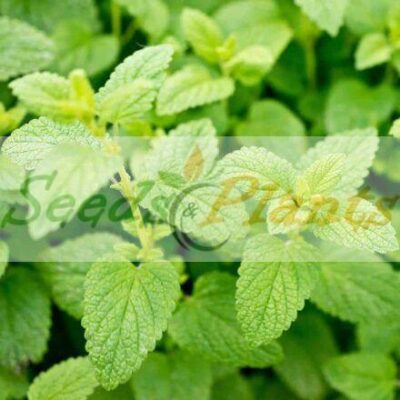
Lemon Balm – 50 Seeds
(Melissa officinalis)
R30.00
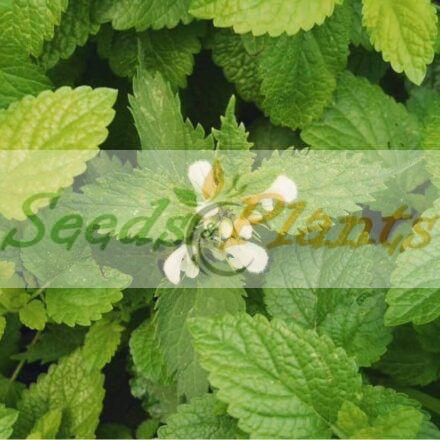
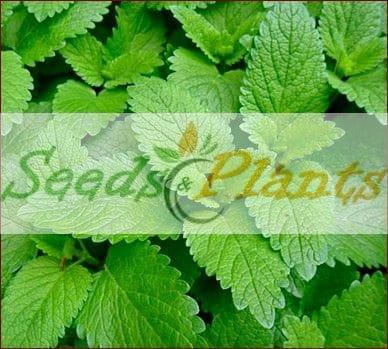
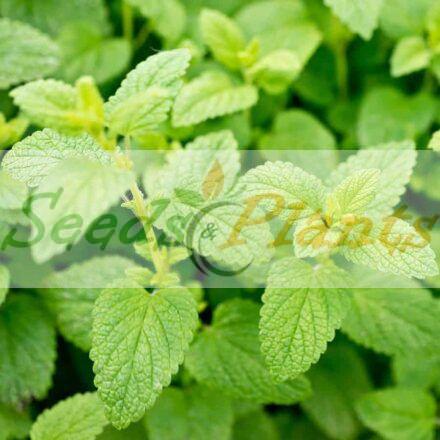
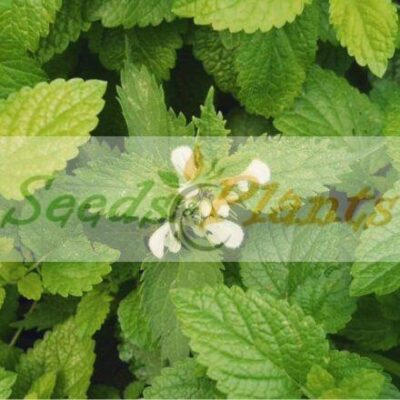
Lemon Balm grows as a bushy, leafy herb with a pleasant lemon smell and small white flowers. The herb has both culinary and medicinal uses.
Common Names: Melissa, sweet balm, honey plant, balm mint, garden balm and English balm.
Indoor Sowing: Late Winter and Early Spring.
Direct Sowing: Early Spring.
In stock
🌿 Herbal Quick Facts
Medicinal Info
- 🌿 Medicinal Part: Flower, Leaf, Stem
- 🍵 Herbal Preparation: Decoction, Essential Oil, Extract / Tincture, Infusion / Tea, Ointments/Creams
- ⚕️ Healing System: Ayurvedic System of Medicine, Chinese Traditional Medicine, European Traditional Medicine, Unani System of Medicine
Culinary Info
- 🍽️ Culinary Use: Beverages/Teas, Desserts, Garnish, Jams and Jellies, Marinades/Dressings, Oils / Vinegars, Salads, Sauces, Stuffing, Vegetable dishes
- 🥗 Edible Part: Flower, Leaf
- 😋 Flavor Profile: Citrusy
Growth Traits
- 🌱 Life Cycle: Perennial
- 🌾 Plant Type: Herbaceous Perennial
- 🦋 Pollinator Method: Attracts Bees, Attracts Butterflies
- 🪴 Growth Habit: Bushy, Clumping, Spreading, Upright
- 🌸 Flower Color: Pale yellow, White
Growing Requirements
- 🌞 Sun Exposure: Full Sun, Partial Shade
- 💧 Water Needs: Avoid Overwatering, Moderate Water
- ☀️ Growing Conditions: Cold Tolerant, Drought Tolerant, Frost Tolerant, Heat Tolerant
- 🟤 Soil Preference: Moist, Rich Organic, Tolerant of most soils, Well-Drained
Lemon balm seeds. Lemon Balm (Melissa officinalis) is a member of the mint family and is a perennial herb. It is known by many names such as Melissa, sweet balm, honey plant, balm mint, garden balm and English balm. It grows as a bushy, leafy herb with a pleasant lemon smell and small white flowers.
Fresh or dried leaves can be used to make herb teas, while leaves will give a lemony kick to salads, sauces, vinegars and fish dishes – they are best used fresh, rather than cooked. Dried leaves are added to potpourris and herb pillows.
Lemon Balm Medicinal Uses
Lemon balm has long been taken as a tea to soothe, encourage focus, and reduce stress. It has a reputation for reducing anxiety, restlessness, and insomnia, and has historically been used to treat indigestion, gas, and bloating. Lemon Balm extract is a concentrated source of potent essential oils and plant compounds that have antiviral activity, Research has shown that it has antiviral effects against avian influenza (bird flu) and enterovirus 71.
Growing Lemon Balm
Indoor Sowing: Late Winter and Early Spring.
Direct Sowing: Early Spring.
- The seeds need light to germinate, so surface sow on moist seed-starting mix and do not cover the seeds with soil or barely cover with a very thin layer of soil.
- Keep the soil consistently moist, but not soggy, until germination.
- Germination in about 14 days at a soil temperature of 19-21°C.
- After seeds have germinated, transplant seedlings to their own pots when they are large enough to handle.
- This herb grows best in moist soil with good drainage, in full sun or partial shade.
- The plant will remain green during mild winters.
- It responds very well to hard pruning, growing back twice as thick.
Related products