Kiwi Fruit – 20 Seeds
(Actinidia deliciosa)
R30.00
Kiwifruit is full of nutrients like vitamin C, vitamin K, vitamin E, folate, and potassium.
Indoor Sowing: Cold Stratification and then sow seeds
Direct Sowing: Autumn.
In stock
🍒 Fruit Quick Facts
Fruit Info
- 🍽️ Culinary Use: Chutneys, Desserts, Jams and Jellies, Juices and Syrups, Marinades/Dressings, Raw Eating
- 🥗 Edible Part: Fruit
- 😋 Flavor Profile: Sweet-tart
Growth Traits
- 🌱 Life Cycle: Perennial
- 🌾 Plant Type: Woody Vine
- 🔁 Fruiting Needs: Needs Male & Female Plants
- 🪴 Growth Habit: Twining, Vining
- 🌸 Flower Color: White
- 🌿 Foliage Type: Deciduous
- 🦋 Pollinator Method: Attracts Bees, Attracts Hoverflies
Growing Requirements
- 🌞 Sun Exposure: Full Sun, Partial Shade
- 💧 Water Needs: Avoid Overwatering, Regular Water, Water Deeply
- ☀️ Growing Conditions: Frost Sensitive, Low Cold Tolerance, Not Drought Tolerant
- 🟤 Soil Preference: Compost Enriched, Fertile, Loam, Rich Organic, Sandy, Slightly acidic, Well-Drained
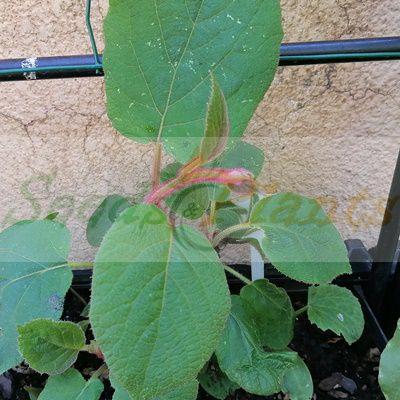
Kiwi Fruit (Actinidia deliciosa) which is also known as Chinese Gooseberry, is a Perennial. A spectacular and vigorous hardy climber for a sunny sheltered wall. The twining stems produce pretty white summer flowers set against a cloak of attractive heart shaped foliage.
Kiwi Fruit Culinary Uses
- It is full of nutrients like vitamin C, vitamin K, vitamin E, folate, and potassium. They also have a lot of antioxidants and are a good source of fiber.
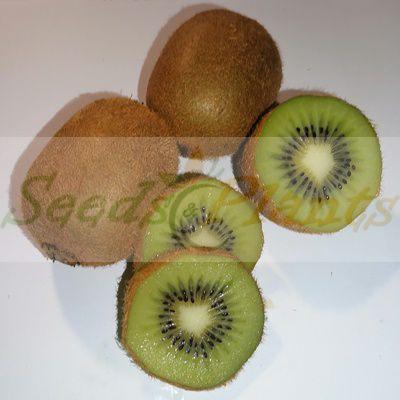
- Their small black seeds are edible, as is the fuzzy brown peel.
- Packed with more vitamin C than an equivalent amount of orange, the bright green flesh of the fruit speckled with tiny black seeds adds a dramatic tropical flair to any fruit salad.
Growing Kiwi Fruit
Indoor Sowing: Cold Stratification and then sow seeds
Direct Sowing: Autumn.
- Direct Sow Kiwi Seeds in Autumn.
- Alternatively you can grow the seeds indoors, by first stratifying the seeds for 90 days at around 5 °C.
- Place the seeds in a damp paper towel and seal them in a plastic bag. Keep the bag in the refrigerator for 90 days.
- Mix equal parts of peat moss, perlite, and vermiculite to create an appropriate potting mix.
- Fill a seedling tray or individual pots with the soil mixture.
- Remove the seeds from the refrigerator and sow them on top of the soil, ensuring they are spaced apart.
- Cover the seeds with a thin layer of soil and water gently.
- Place the seedling tray or pots in a sunny location.
- Kiwi vines are not self fertile. So it is recommended to plant 3 or 4 plants close together to ensure pollination, as you need at least 1 male plant, for successful pollination.
- Only female kiwi plants bear fruit and it takes between 3 – 5 years for fruiting to take place.
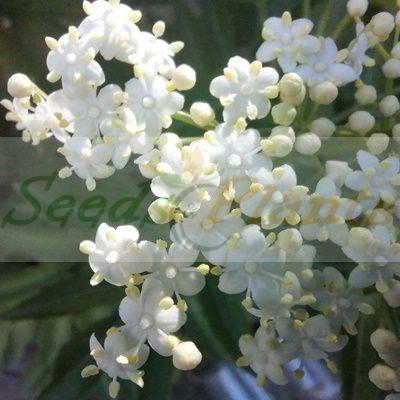
- During the spring, both male and female kiwi vines bear prolific, white (sometimes creme-to-pale-yellow) flowers that, when fertilized, become the kiwi fruit.
- The fruits that follow can be harvested in Autumn.
Related products
Out of stock
Out of stock

Out of stock